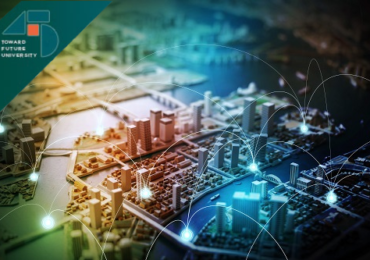
[Research Contribution] Exploring the Potential of ArtTech in Sustainable Urban Development and Social Impact
7 October, 2025
Keywords: ArtTech, urban development, sustainability
ArtTech – the intersection of art and technology – holds tremendous potential to contribute to sustainable urban development and address social issues. By leveraging technological innovations and artistic expression, ArtTech can drive creativity, participation, and inclusiveness, leading to positive transformations in cities. In this article, a research team from the University of Economics Ho Chi Minh City (UEH) delves into the general theory of the relationship between ArtTech and sustainable urban development, explores success stories from other countries, assesses their applicability to Vietnam, and proposes recommendations for using ArtTech to advance sustainable development.

Can ArtTech Help Us Build Sustainable Cities?
ArtTech is a field that combines art and technology to create new and innovative forms of expression. It has the potential to contribute to sustainable urban development in several ways:
- a) Engaging citizens in planning and developing their cities: ArtTech can be used to create interactive and engaging experiences that help people understand the challenges and opportunities their cities face. This can lead to increased civic participation and support for sustainable development initiatives.
- b) Promoting awareness of environmental issues: ArtTech can be used to raise awareness about environmental issues such as climate change, pollution, and resource depletion. This can help change people’s behavior and encourage them to adopt more sustainable lifestyles.
- c) Developing new technologies for sustainable living: ArtTech can be used to develop new technologies that can help people live more sustainably. For example, ArtTech can be used to create smart energy grids, water management systems, and transportation systems.
- d) Creating more livable and equitable cities: ArtTech can be used to create more livable and equitable cities by promoting social inclusion, cultural diversity, and economic opportunities. For instance, ArtTech can be used to create public art projects that bring people together or to develop digital platforms that connect people from different backgrounds.
Drawing from research on ArtTech, the UEH author team applied a qualitative research method, using desk research to systematically review existing documents, reports, online sources, and documented success stories about art technology initiatives from different countries. Subsequently, the authors focused on typical case studies to analyze these success stories and grasp their impact on sustainable urban development and their applicability to Vietnam.
ArtTech Solutions Around the World
“The Bay Lights” Project – San Francisco, USA
“The Bay Lights” project in San Francisco involved transforming the San Francisco Bay Bridge into an illuminated masterpiece using 25,000 LED lights. The project required extensive planning, design, and installation over a two-year period, from 2013 to 2015.
The project delivered several impacts:
(1) Economic and tourism promotion: The project attracted tourists and generated economic benefits for the city. It increased traffic, created opportunities for local businesses, and generated revenue from tourism-related activities.
(2) Cultural identity and civic pride: “The Bay Lights” became an iconic symbol of San Francisco, enhancing the city’s cultural identity. It instilled civic pride in residents, becoming a beloved landmark and source of inspiration.
(3) Public engagement and social bonds: The project sparked public engagement as residents embraced and celebrated the illuminated bridge. It created opportunities for community interactions, shared experiences, and strengthened social bonds among diverse groups.
(4) Urban regeneration and beautification: “The Bay Lights” transformed the urban landscape, converting a utilitarian bridge into a culturally significant landmark and stunning visual feature. It revitalized the area, attracted attention, and improved the overall aesthetics of the city.
From this, the author team drew lessons and recommendations for Vietnam as follow:
First, transforming urban spaces: Vietnam can consider large-scale art installations to revitalize urban areas and transform infrastructure. By integrating art and technology into public spaces, Vietnam can create visually appealing landmarks that engage the public, tourism, and civic pride.
Second, collaboration and sponsorship: Collaboration among artists, city authorities, and private organizations can facilitate the funding, expertise, and community support necessary for such ambitious projects. Collaborative efforts can ensure successful and sustainable implementation of large-scale art installations in Vietnam.
Third, balancing artistic vision and sustainability: Vietnam should carefully consider the environmental impact and long-term sustainability of art installations. Incorporating sustainable practices, such as using energy-efficient lighting systems or incorporating renewable energy sources, will help projects align with sustainable development goals and contribute to the overall prosperity of the city.

Figure 1. “The Bay Lights” Project – San Francisco, USA
‘The Bay Lights’, City of Owe. https://illuminate.org/projects/thebaylights/
“Digital Stories” for Disadvantaged Communities – Canada
In Canada, “Digital Stories” projects have been implemented to empower disadvantaged communities, such as Indigenous groups and immigrant populations, to share their stories through digital media. These projects typically include workshops, storytelling sessions, and media production training. The implementation period for these projects can range from several weeks to several months.
These projects have delivered several impacts:
(1) Empowerment and cultural preservation: The projects empower disadvantaged communities by providing them with a platform to reclaim their narratives, challenge stereotypes, and promote cultural diversity. Participants acquire skills in digital media production, storytelling techniques, and technology, enabling them to document and preserve their cultural heritage.
(2) Community bonds and social understanding: “Digital Stories” projects foster community bonds as participants engage in a collective process of sharing personal stories and experiences. They promote dialogue, understanding, and empathy among diverse groups, bridging social divides and encouraging intercultural exchange.
(3) Enhanced visibility and awareness: The projects raise awareness about the experiences, challenges, and contributions of disadvantaged communities. By amplifying their voices through digital platforms, these projects increase visibility and understanding, challenge stereotypes, and promote social inclusion.
(4) Creative and economic opportunities: The skills acquired through digital storytelling projects can create opportunities for participants to pursue creative careers, freelance work, or entrepreneurial ventures in media production. This contributes to their economic empowerment and long-term sustainability.
From this, the authors propose ideas for Vietnam:
First, digital skills training and cultural preservation: Vietnam can develop training programs that equip vulnerable communities with digital storytelling skills. These programs should focus on empowering participants to document and share their stories, preserve cultural heritage, and promote cross-cultural understanding. Collaboration with cultural organizations, such as museums and libraries, can provide resources and platforms for showcasing and archiving digital stories.
Second, inclusive technology access and platforms: Vietnam needs to ensure equitable access to digital tools and technology, narrowing the digital divide for disadvantaged communities. Providing support, such as equipment, training, and affordable internet access, can enable broader participation and ensure equal opportunities for storytelling.
Third, partnerships and community engagement: Collaboration with community organizations, educational institutions, and media professionals can enhance the impact of “Digital Storytelling” projects. These partnerships can provide expertise, resources, and mentorship support, fostering a sustainable ecosystem for storytelling initiatives in Vietnam.
“I Light Marina Bay” Festival – Singapore
The “I Light Marina Bay” festival is an annual light art festival in Singapore showcasing creative installations and interactive displays. The festival typically runs for several weeks and features collaboration with domestic and international artists, architects, and technologists.
This project has delivered several impacts:
(1) Tourism and economy: The festival attracts domestic and international tourists, contributing to the tourism industry and generating economic benefits for the city. It stimulates local businesses and creates employment opportunities.
(2) Public space activation: The festival activates public spaces, creating opportunities for social interactions, entertainment, and community bonding. It encourages residents and tourists to explore and appreciate public spaces in a new light.
(3) Sustainability and energy awareness: “I Light Marina Bay” focuses on showcasing sustainable lighting technologies, raising awareness about energy conservation and promoting environmental stewardship.
(4) Cultural exchange and appreciation: The festival promotes cultural exchange by showcasing works from domestic and international artists. It encourages dialogue, appreciation, and understanding of diverse artistic expressions and cultural perspectives.
From this, the authors propose ideas for Vietnam:
First, light art festivals: Vietnam can organize light art festivals in major cities to activate public spaces, attract tourists, and stimulate the local economy. Such festivals create opportunities for residents and tourists to engage with art and technology in dynamic and interactive ways.
Second, focus on sustainability: Vietnam should prioritize the use of sustainable lighting technologies and environmentally friendly installation systems for light art festivals. By showcasing environmentally conscious artworks, Vietnam can raise awareness about energy conservation and promote sustainable practices among residents and tourists.
Third, cultural exchange and talent development: Encouraging participation from domestic and international artists can enhance cultural exchange, celebrate diversity, and nurture artistic talent in Vietnam. Vietnam can create platforms that support collaboration, networking, and knowledge sharing among artists, fostering creativity and cultural enrichment.

Figure 2. Alone Together by Singapore artist Ping and Ian (Image source: I Light Singapore)
Parking Day Project – San Francisco
The Parking Day project began in 2005 in San Francisco as a one-day event. It involves the temporary transformation of parking spaces into public parks, encouraging community participation and reimagining urban space usage. Since then, the project has expanded globally and is held annually on the third Friday of September.
Project results and impacts:
(1) Public awareness and engagement: The project raises awareness about the importance of public space and prompts people to reimagine urban environments. It encourages community participation, sparking conversations about urban design and the need for more green spaces.
(2) Community interaction and social bonding: Parking Day fosters community interaction by providing spaces for people to gather, relax, and engage in activities. It brings neighbors together, strengthens social bonds, and enhances the sense of community ownership of public spaces.
(3) Advocacy for sustainable and livable cities: The project highlights the potential of converting parking lots into green areas, promoting sustainability and advocating for pedestrian-friendly cities with improved air quality and reduced congestion.
(4) Policy implications and urban planning: Parking Day serves as a catalyst for discussions surrounding urban policies, zoning regulations, and public space allocation. It has influenced local authorities to reassess parking policies and prioritize the creation of more vibrant public spaces.
From this, the authors propose ideas for Vietnam:
First, encourage adoption of Parking Day in Vietnam: Vietnam can organize annual Parking Day events to engage people in transforming parking lots into temporary green areas. This will raise awareness about the importance of public space, encourage community interaction, and advocate for sustainable and livable cities.
Second, promote collaboration between local communities and city authorities: Encourage collaboration among citizens, artists, urban planners, and policymakers to ensure successful implementation of Parking Day. Emphasize the importance of participatory urban design and community-oriented initiatives.

Figure 3. Parking Day project, San Francisco
https://www.bloomberg.com/news/articles/2017-09-15/a-brief-history-of-park-ing-day
Copenhagen Street Furniture Lab
The Copenhagen Street Furniture Lab is an ongoing initiative aimed at improving the functionality, aesthetics, and sustainability of street furniture in Copenhagen. The lab collaborates with designers, architects, and urban planners to create innovative and user-friendly solutions for public spaces.
Project results and impacts:
(1) Innovative street furniture design: The lab has introduced innovative street furniture designs that enhance the functionality and aesthetics of public spaces. These designs include benches, bicycle racks, lighting fixtures, and interactive installations, improving the overall urban experience.
(2) User-centered approach: The lab prioritizes a user-centered design process, considering the needs, preferences, and behaviors of citizens. Street furniture designs are tailored to the specific requirements of different neighborhoods and promote inclusiveness and accessibility.
(3) Sustainability and material selection: The lab emphasizes sustainable materials and production processes. Street furniture designs incorporate recycled materials, energy-efficient lighting, and environmentally friendly construction techniques, promoting sustainability in urban spaces.
(4) Collaboration and partnerships: The lab collaborates with designers, local communities, and city authorities to ensure successful implementation of street furniture projects. Partnerships foster a sense of ownership, promote community participation, and enhance the long-term maintainability and sustainability of installations.
From this, the authors propose ideas for Vietnam:
Establish a similar initiative: Vietnam can establish a Street Furniture Lab or similar platform to encourage collaboration among designers, architects, and urban planners. This will facilitate the development of innovative and sustainable street furniture solutions tailored to the needs of Vietnamese cities.
Emphasize user-centered design: Prioritize the needs and preferences of citizens when designing and implementing street furniture. Conduct research and engage local communities to ensure inclusiveness, accessibility, and functionality in urban spaces.
Promote partnerships and sustainable practices: Encourage collaboration among designers, local communities, and government agencies to ensure successful implementation and long-term maintenance of street furniture projects. Emphasize sustainable materials, production processes, and energy-efficient solutions to promote environmental stewardship.

Figure 4. Copenhagen Street Furniture Lab (https://stateofgreen.com/en/solutions/urban-greening-living-lab-will-measure-how-plants-help-cities-combat-pollution/)
Watershed Art Project – New York City
The Watershed Art Project in New York City is a community-based initiative that uses art and storytelling to raise awareness about water conservation and environmental issues. It involves collaboration among artists, scientists, and local communities to educate and engage the public.
Project results and impacts:
(1) Environmental education and awareness: The project educates the public about water conservation, pollution, and the importance of preserving natural resources. It raises awareness about the impact of human activities on the environment and encourages behavioral change.
(2) Artistic expression and community engagement: The project uses art as a powerful tool to engage and inspire communities. Through art installations, exhibitions, and interactive workshops, it encourages dialogue, fosters community bonds, and promotes active participation in environmental stewardship.
(3) Sustainable practices and policy advocacy: The project advocates for sustainable practices and policies that protect watersheds. It influences local authorities and policymakers to prioritize water conservation, pollution prevention, and natural habitat preservation.
(4) Empowerment and collaboration: The Watershed Art Project empowers local communities to play an active role in environmental conservation. It encourages collaboration among artists, scientists, and community members, fostering a spirit of collective responsibility for watersheds.
From this, the authors propose ideas for Vietnam:
First, promote art-based environmental education: Vietnam can integrate art and storytelling into environmental education programs to raise awareness about water conservation and other environmental issues. This can be achieved through exhibitions, workshops, and interactive installations that engage and educate the public.
Second, encourage interdisciplinary collaboration: Foster collaboration among artists, scientists, and local communities to combine artistic expressions with scientific knowledge. This will enhance the effectiveness of environmental initiatives and promote a holistic approach to conservation.
Third, advocate for sustainable policies: The Watershed Art Project serves as an example of how art can influence policy and advocate for sustainable practices. Vietnam should encourage collaboration among artists, environmental organizations, and policymakers to impact sustainable policies and promote environmental stewardship.
By drawing insights from the Parking Day project, Copenhagen Street Furniture Lab, and Watershed Art Project, Vietnam can develop innovative and community-based approaches to address social issues, promote cultural preservation, and foster community engagement. Emphasis on participatory urban design, sustainability, and interdisciplinary collaboration will contribute to creating vibrant, inclusive, and environmentally sustainable cities in Vietnam.

Figure 5. Watershed Art Project, New York (https://www.dezeen.com/2021/06/23/watershed-core-cyclical-installation-filters-rainwater-new-york/)
Policy Implications for Vietnam
From the analysis of the exemplary projects above, the author team has proposed policy implications for Vietnam to empower vulnerable communities, preserve cultural heritage, regenerate urban spaces, promote sustainability, and encourage community participation. Specifically:
Empowering Disadvantaged Communities
Vietnam should prioritize establishing training programs, accessing resources, and creating platforms that empower vulnerable communities to express their creativity through art and technology. By providing support and opportunities, Vietnam can promote inclusion, enhance skills, and foster personal and professional development within these communities.
Collaboration and Mentorship
Encouraging collaboration among artists, technologists, community leaders, and policymakers is crucial. By creating a supportive ecosystem that promotes mentorship and knowledge sharing, Vietnam can enhance the impact and sustainability of art technology initiatives. Collaboration allows diverse perspectives, fosters innovation, and ensures community participation throughout the project lifecycle.
Sustainable Funding and Policy Support
Vietnam needs to explore sustainable funding models and develop government policies that prioritize and support community-led art technology projects. By providing long-term and reliable funding, Vietnam can ensure the continuity and scalability of initiatives. Additionally, supportive policies will create an enabling environment for the development, deployment, and growth of art technology projects.
Cultural Preservation and Exchange
Vietnam should focus on preserving its rich cultural heritage by integrating art technology initiatives that allow disadvantaged communities to share their stories, customs, and traditions. By providing platforms for cultural exchange and understanding, Vietnam can celebrate diversity, promote intercultural dialogue, and preserve its unique identity.
Urban Regeneration and Public Space Activation
Inspired by the Parking Day project in San Francisco and the Copenhagen Street Furniture Lab, Vietnam should leverage art and technology to revitalize urban spaces. By transforming neglected areas into vibrant and engaging environments, Vietnam can enhance quality of life for residents, attract tourists, and nurture community pride.
Sustainability and Environmental Considerations
Vietnam should prioritize sustainable practices in art technology projects, drawing inspiration from examples such as the use of energy-efficient lighting, eco-friendly installations, and materials. By incorporating environmentally friendly approaches, Vietnam can minimize the environmental impact of art technology initiatives and contribute to the overall sustainability of cities.
In conclusion, by absorbing insights from the above cases and implementing the proposed strategies, Vietnam can create vibrant, inclusive, and sustainable cities that address social issues, preserve cultural heritage, revitalize urban spaces, promote environmental stewardship, and foster community participation. Collaboration, sustainable funding, supportive policies, and a focus on cultural preservation and sustainability are essential for the successful implementation of ArtTech initiatives in Vietnam.
Author Team: Assoc. Prof. Dr. Trinh Tu Anh; Assoc. Prof. Dr. Trinh Thuy Anh; Dr. Dongsu Yi – University of Economics Ho Chi Minh City
This article is part of the Research Dissemination and Applied Knowledge Series from UEH with the message “Research Contribution For All”. UEH respectfully invites readers to watch the next UEH Research Insights newsletter.
News, images: Authors, UEH Department of Communications and Partnerships

 Chia sẻ:










[Research Contribution] Co-innovating for a Sustainable Ocean Economy
12 December, 2025







[Podcast] Recommendations for University education development
14 February, 2025


[Podcast] Developing Vung Tau into a World-Class Tourism City
16 January, 2025


[Podcast] Postdigital Design Strategies for Media Art
6 January, 2025


[Podcast] NFTs – Artistic Innovation or Just a New Hype?
27 December, 2024


[Podcast] Boosting Employee Creativity with Constructive Feedback
23 November, 2024


[Podcast] “Dutch Disease” in Remittances and the Case of Vietnam
4 November, 2024


[Podcast] Latest approaches for sustainable universities
11 July, 2024


Data Law – Part 1: Necessity for a New Approach
18 May, 2024

Advertising Evaluation on Tiktok Platform
14 May, 2024

[Podcast] Advertising Evaluation on Tiktok Platform
13 May, 2024




Promoting Learner Autonomy in English Language Learning (Part 1)
24 November, 2023




ArtTech And Sustainable Development
27 October, 2023

Motivation of EFL Vietnamese Students in Economics-related Majors
12 October, 2023
Climate Change And Our Society: The Urgency Of Gender Inequality
12 October, 2023




People Analytics in Vietnam
10 March, 2022




Revolution in Experimental Economics
30 January, 2022

The Sharing Economy: Governance Issues in Vietnam
24 January, 2022
Employment Policy For Ho Chi Minh City in Post-social distancing Period
28 December, 2021

Lifelong learning at UEH: Towards a Sustainable University
28 December, 2021
Building a Decentralized Stock Market based on Blockchain Technology
24 December, 2021


Consumer price index from big data mining perspective (Big data)
17 November, 2021

Overview Of Digital Currency – Part 5: DIEM Private Stabilized Currency
11 November, 2021