

6.4.2. Water Reuse Measurement
Water reuse measurement – Measure the reuse of water across the university?
THE Sustainability Impact Ratings 2027 | SDG 6 – Clean Water and Sanitation | Data Year 2025
The University of Economics Ho Chi Minh City (UEH) promotes water resource management and reuse through rainwater collection systems, wastewater treatment and measures to make use of water for non-domestic purposes. These activities are implemented under the Green Campus Regulations, with the aim of reducing dependence on newly supplied water, improving resource efficiency and strengthening the monitoring of water quality across campus.
In 2025, UEH maintained its wastewater treatment system and rainwater collection and storage infrastructure at the Nguyen Van Linh Campus, while conducting water quality monitoring in accordance with its environmental records. These activities were carried out under the Green Campus Regulations issued pursuant to Decision No. 2059/QĐ-ĐHKT-CSVC, providing a technical and governance foundation for tracking recovered water, assessing its suitability for non-domestic uses and managing water resources effectively.
1. Policies and Requirements for Measuring Water Reuse at UEH
UEH manages, conserves and reuses water in accordance with the Green Campus Regulations, established to support sustainable campus management and updated in 2024.
Specifically, Article 21 – Water Reuse Policy sets out requirements for the recovery, treatment and reuse of water across UEH:
- Clause 1: Provides for the development of a circular water management system, including rainwater harvesting and the reuse of treated greywater for non-domestic purposes such as landscape irrigation, campus cleaning and equipment cooling.
- Clause 2: Provides for investment in and operation of on-site wastewater treatment equipment at UEH campuses, ensuring that reused water meets technical and environmental safety requirements.
- Clause 3: Assigns responsibility to relevant units for periodically monitoring the quality of reused water, reporting water consumption data and assessing annual water-saving performance.
In addition, Article 22, Clause 2 – Water-Efficient Building Standards requires the design and installation of systems to collect and reuse rainwater or treated wastewater for purposes such as irrigation, floor washing and toilet flushing, with a target of at least 10% of annual water use.
Through Articles 21 and 22, UEH establishes a framework for managing reused water by recovery source and end use, with responsibilities for monitoring and periodic reporting. The target of at least 10% of annual water use is stated as a design and resource management objective of the University.
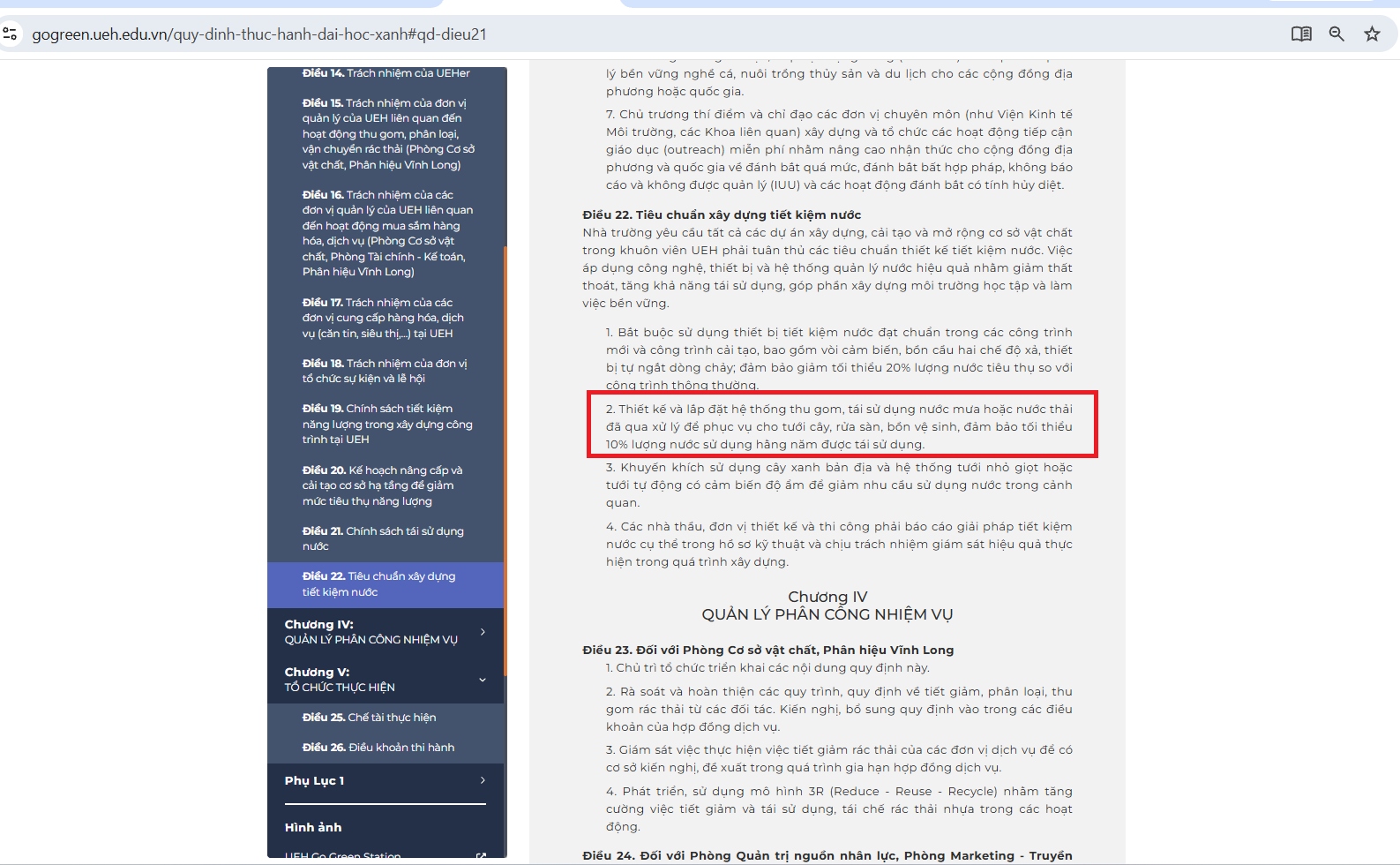
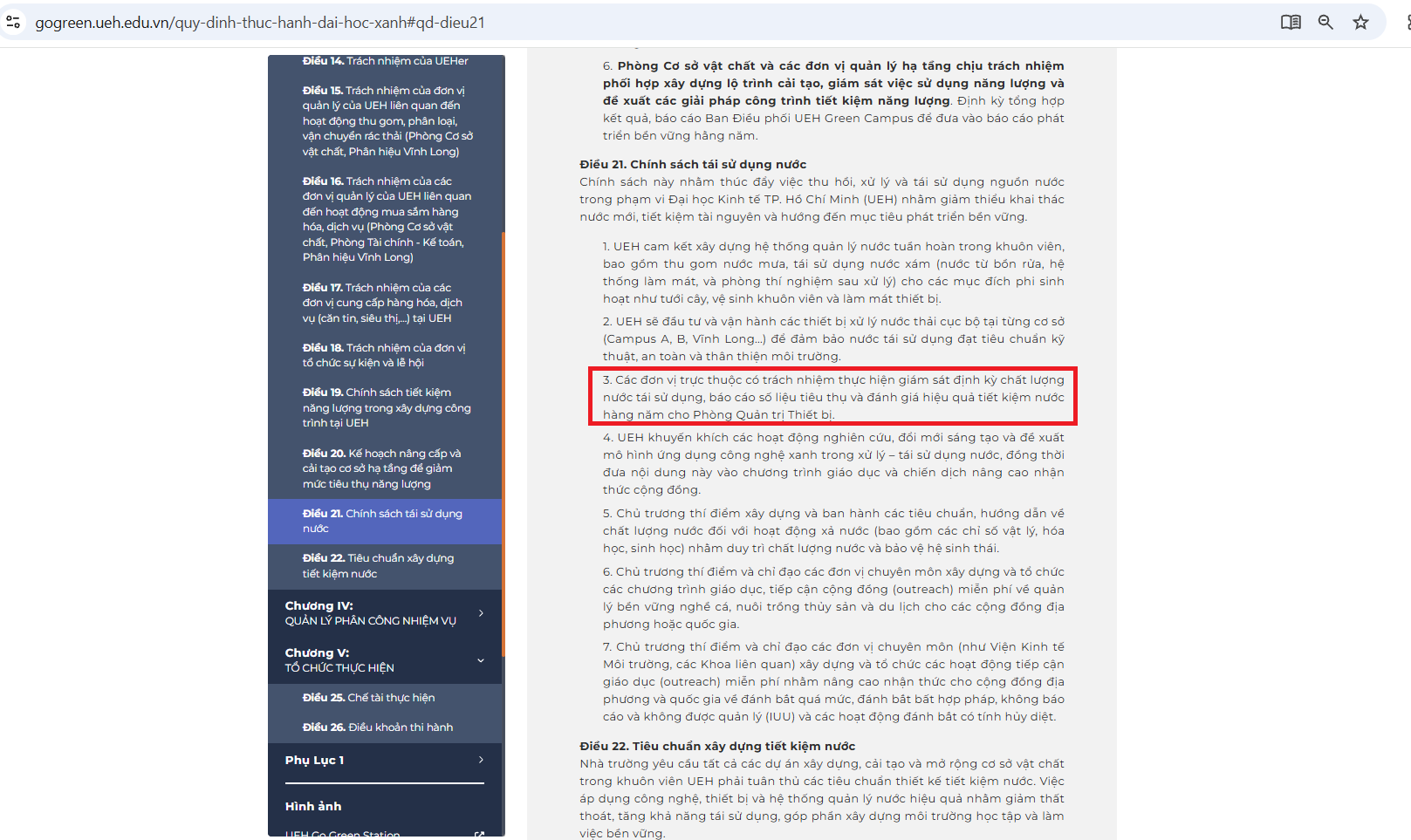
Article 21, Clause 3, and Article 22, Clause 2, of the Green Campus Regulations specify requirements for monitoring and reporting water reuse data and a target to increase water recirculation.
Source: UEH Green Campus – Green Campus Regulations, updated 2024 version.
https://gogreen.ueh.edu.vn/quy-dinh-thuc-hanh-dai-hoc-xanh
2. Water Recovery, Treatment and Monitoring Systems at the Nguyen Van Linh Campus
2.1. Wastewater Treatment System and Water Quality Control
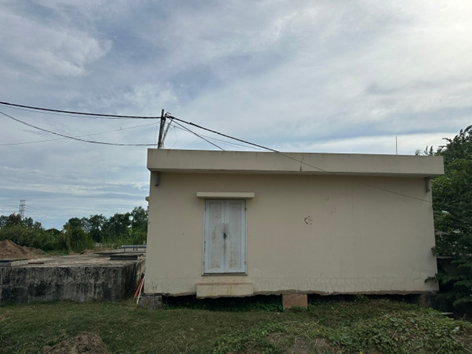
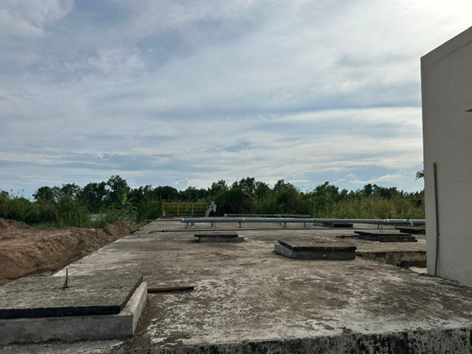
At the Nguyen Van Linh Campus, UEH operates a domestic wastewater treatment system with a design capacity of 550 m³/day, employing mechanical, physicochemical, biological and disinfection treatment stages.
According to the 2025 Environmental Protection Report, the treatment process comprises oil separation, equalization, reaction, coagulation, sedimentation, Anoxic and FBR biological treatment, final clarification and disinfection.
The treatment system controls wastewater quality before discharge into the receiving environment. The treatment stages and quality testing also provide essential technical conditions for assessing whether treated water could be recovered for appropriate reuse applications.
In 2025, UEH monitored wastewater at the campus, with sampling dates of 10 December 2025 and 17 December 2025 recorded in the environmental report. Monitoring results were compared with applicable standards to support treated effluent quality control and the detection of operational irregularities.
Water quality monitoring helps assess treatment performance and effluent quality. However, to meet the requirement to measure the volume of reused water, these findings must be combined with actual flow data showing the amount recovered and supplied for each reuse purpose.
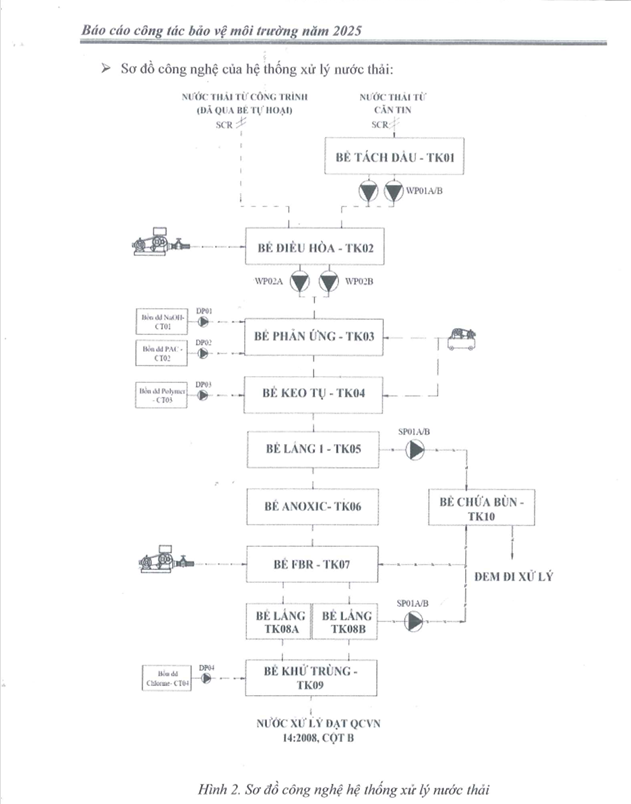
Wastewater treatment process diagram at the Nguyen Van Linh Campus, showing collection, biological treatment and disinfection stages.
Source: 2025 Environmental Protection Report for the Nguyen Van Linh Campus, PDF pages 8–11.
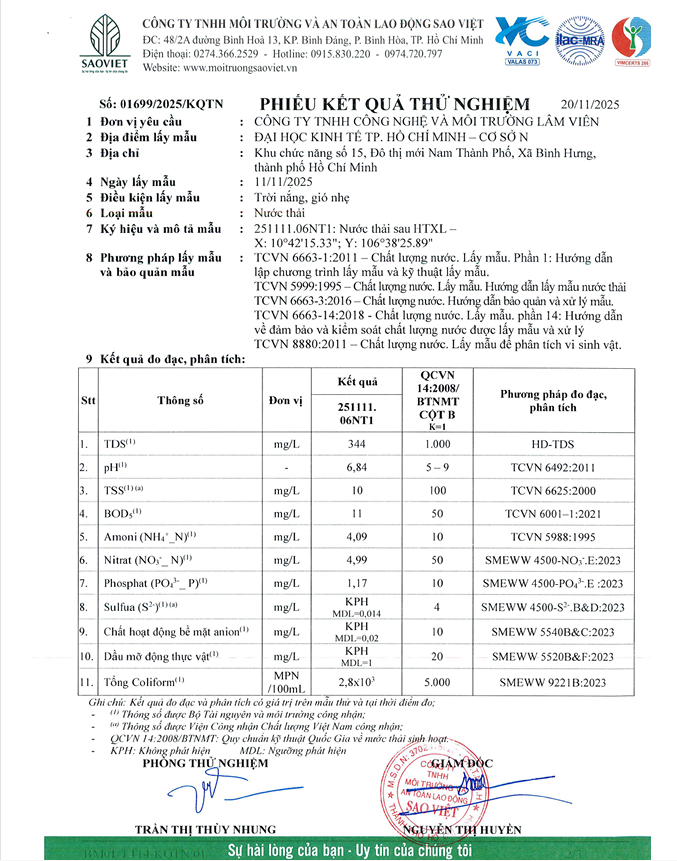
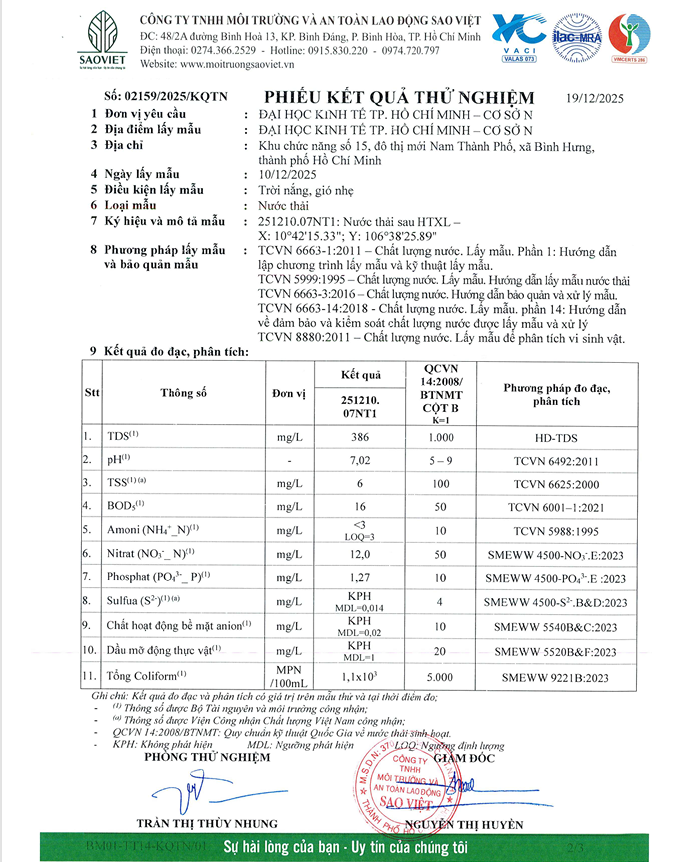
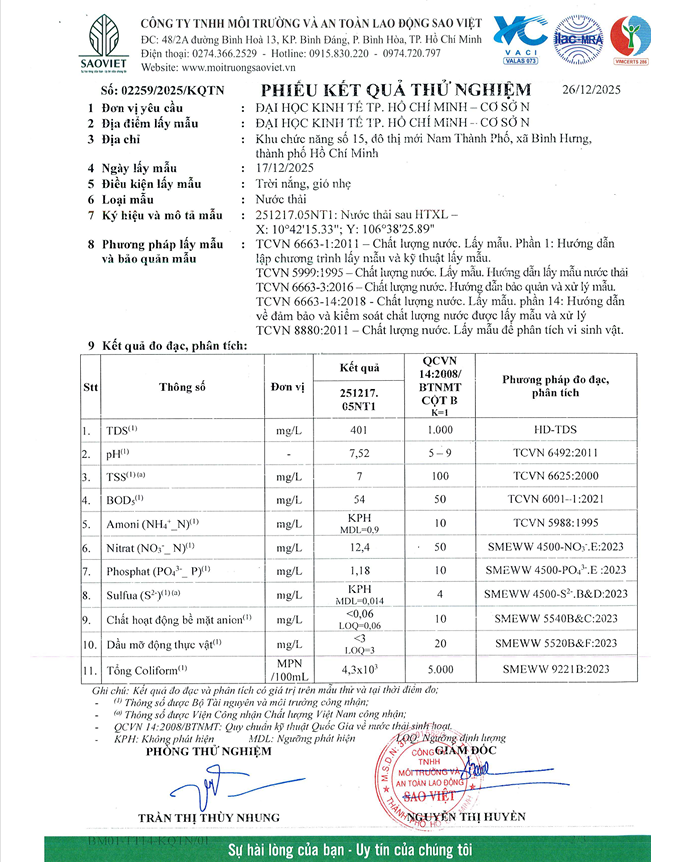
Wastewater monitoring result sheets for the Nguyen Van Linh Campus, retained for individual sampling rounds, provide additional evidence of water quality testing in 2025.
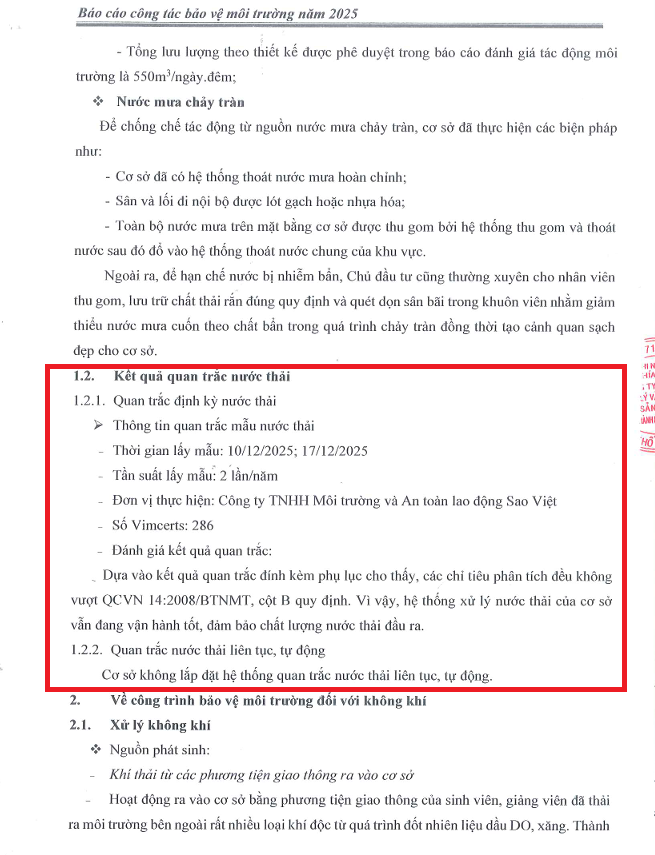
Information on wastewater sampling and monitoring in 2025, supporting treated effluent quality control.
Source: 2025 Environmental Protection Report, PDF page 12; Nguyen Van Linh Campus wastewater monitoring records for 2025.
https://drive.google.com/drive/folders/1nRLPw0VGkTrRypuH-_gP8gVeSsHy3wXP
2.2. Rainwater Collection and Use for Landscaping
In addition to its wastewater treatment system, UEH has published information on rainwater collection and use at the Nguyen Van Linh Campus.
Under the described model, rainwater from building roofs is conveyed through gutters and collection pipes before undergoing preliminary filtration. Ponds and other water features across the campus help store and regulate rainwater and maintain the landscape ecosystem.
UEH has identified this water source as potentially suitable for non-domestic purposes, including irrigation, maintaining green spaces and cleaning outdoor areas.
The rainwater collection system at the Nguyen Van Linh Campus provides an alternative water source that could be used for non-domestic purposes, including irrigation and landscape maintenance. Management of this resource involves identifying storage locations, distribution lines and intended uses as a basis for monitoring the quantities recovered and reused.
In managing rainwater, UEH distinguishes between the volume collected, the storage capacity of infrastructure and the volume actually supplied for use. This approach is intended to support monitoring of water reused by source and by campus area.
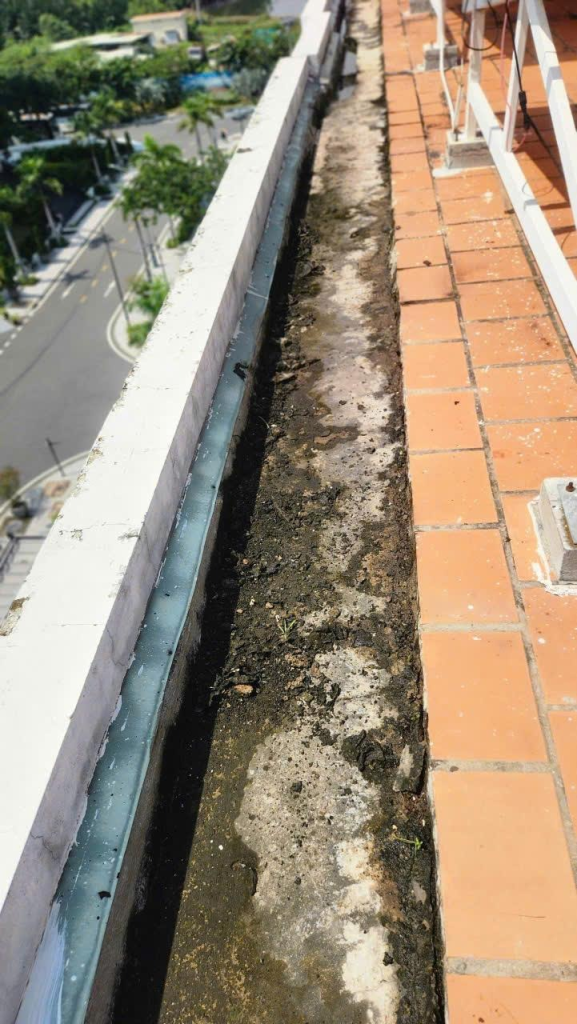
Rainwater collection system from building roofs and landscape ponds at the Nguyen Van Linh Campus.
Source: UEH Sustainability – 6.5.4. Sustainable Water Extraction Technologies on Campus, 2 November 2025.
https://future.ueh.edu.vn/654-cong-nghe-khai-thac-nuoc-ben-vung-trong-campus/
| Item | Proposed Evidence | Specific Suggestions |
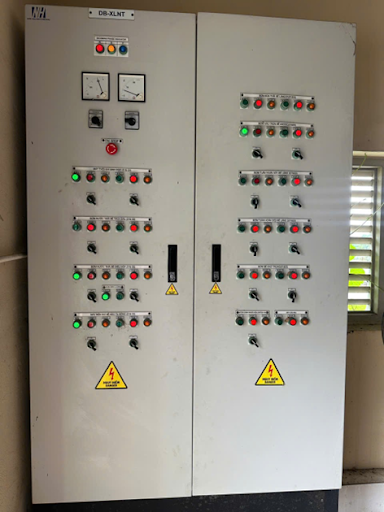
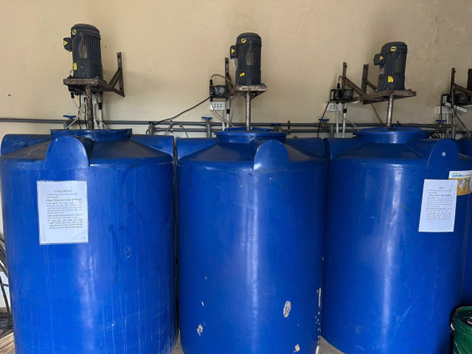
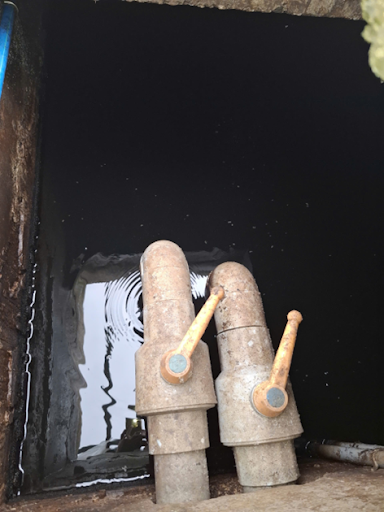
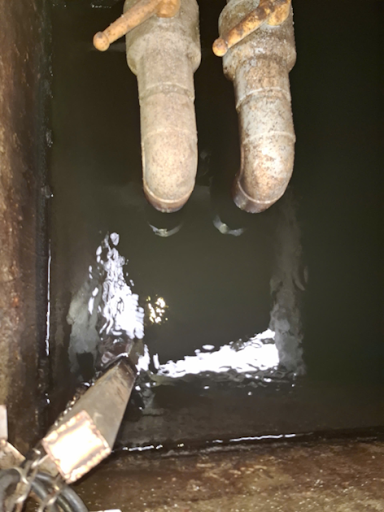
| Overview of the Treatment Station | On-site photographs | Photographs showing the entire UEH South treatment station, its signage and equipment
|
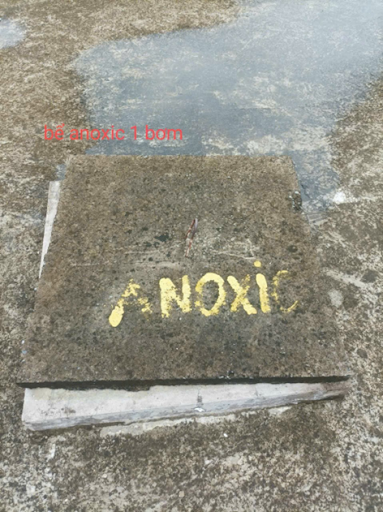
| Anoxic – Aerotank Tanks | Photographs or video | Photographs of the aerobic and anoxic tanks during aeration
|
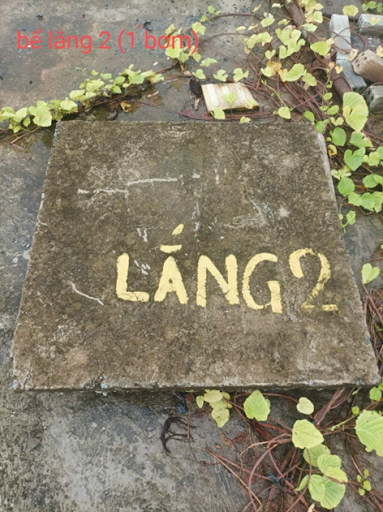
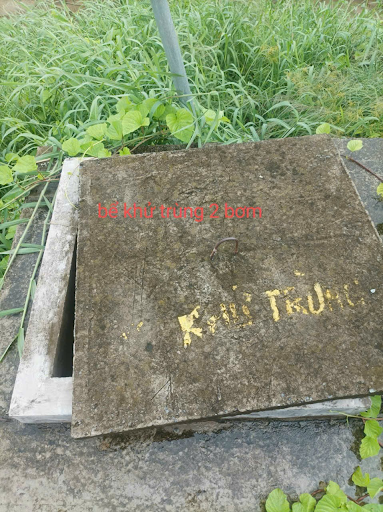
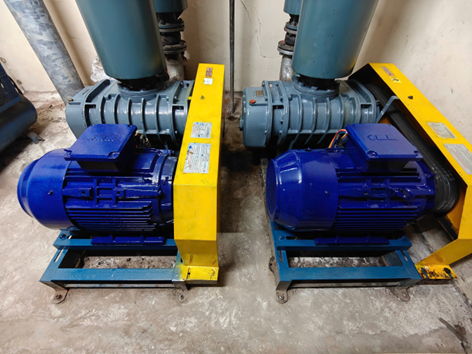
| Sedimentation and Disinfection Tanks | Photographs | Close-up views of the sawtooth weir and chlorine dosing system
|
3. Implementation Results in 2025 and Comparison with the Previous Reporting Period
In 2025, water management records for the Nguyen Van Linh Campus documented a wastewater treatment system with a design capacity of 550 m³/day, water quality monitoring activities, and rainwater collection and storage infrastructure. These components are managed according to their distinct functions: treatment capacity, treated water quality and the potential to recover water for campus operations.
Compared with the previous evidence submission, the 2025 records were supplemented with the Environmental Protection Report and monitoring documentation, providing clearer information on the treatment process, water quality monitoring and associated infrastructure. The Green Campus Regulations also establish requirements for measuring, periodically reporting and evaluating water reuse performance.
4. Conclusion
In 2025, UEH continued strengthening its foundation for circular water management through wastewater treatment, water quality monitoring and rainwater collection and utilization measures at the Nguyen Van Linh Campus. These activities are supported by the Green Campus Regulations, which assign responsibilities for periodic monitoring and reporting of reused water volumes.
Under the Green Campus Regulations, UEH continues to link water recovery infrastructure management with monitoring, reporting and efficient water use objectives. Classifying water sources, tracking quality and identifying intended uses support the development of a more circular water resource management system and contribute to SDG 6 – Clean Water and Sanitation.