

The University of Economics Ho Chi Minh City (UEH) is committed to creating an equitable and barrier-free higher education environment by providing and maintaining accessible facilities for people with disabilities. These include wheelchair-accessible pathways and ramps, elevators, accessible restrooms equipped with grab bars, and wayfinding guidance at teaching campuses and student accommodation facilities. In 2025, UEH continued to make information on accessibility facilities publicly available through its Department of Student Affairs (DSA), alongside orientation tools and support for people with visual impairments, enabling people with disabilities to use learning and living spaces more conveniently and safely.
1. Accessible Facilities for People with Disabilities at UEH
UEH considers accessibility in learning and living environments an important element of facilities development, consistent with its commitment to Diversity, Equity and Inclusion (DEI).
The University provides facilities that support people with mobility impairments, including wheelchair-accessible pathways, ramps, elevators, grab bars and accessible restrooms, enabling learners to access spaces used for academic activities and daily life.
These include pathways designed to facilitate wheelchair movement, elevators providing access between floors, and spacious accessible restrooms equipped with support grab bars. These facilities complement the arrangement of classrooms, libraries and common areas to provide a convenient and safe environment for learners with specific accessibility requirements.
Through the DSA website, UEH continues to publish information about its facilities for people with disabilities, including wheelchair-accessible routes, priority elevators, accessible restrooms and other measures supporting access to the learning environment.
Throughout the year, UEH also maintained guidance on the use of these facilities through DSA and the UEH Knowledge Base, allowing learners with disabilities to identify and access the available facilities independently.
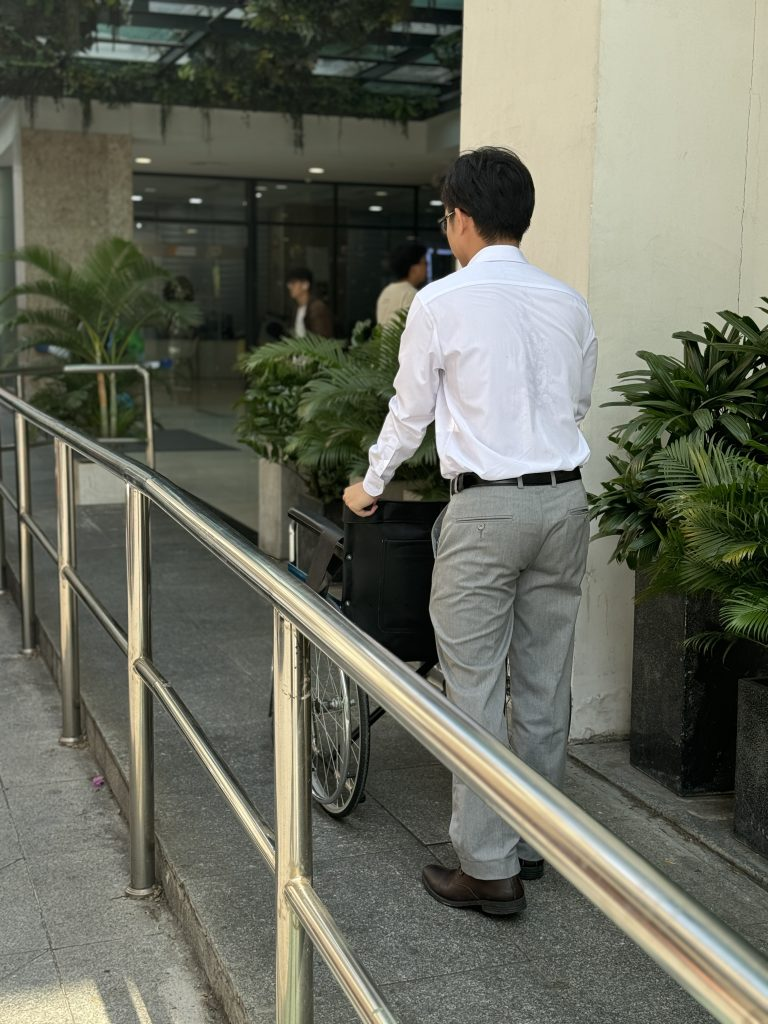
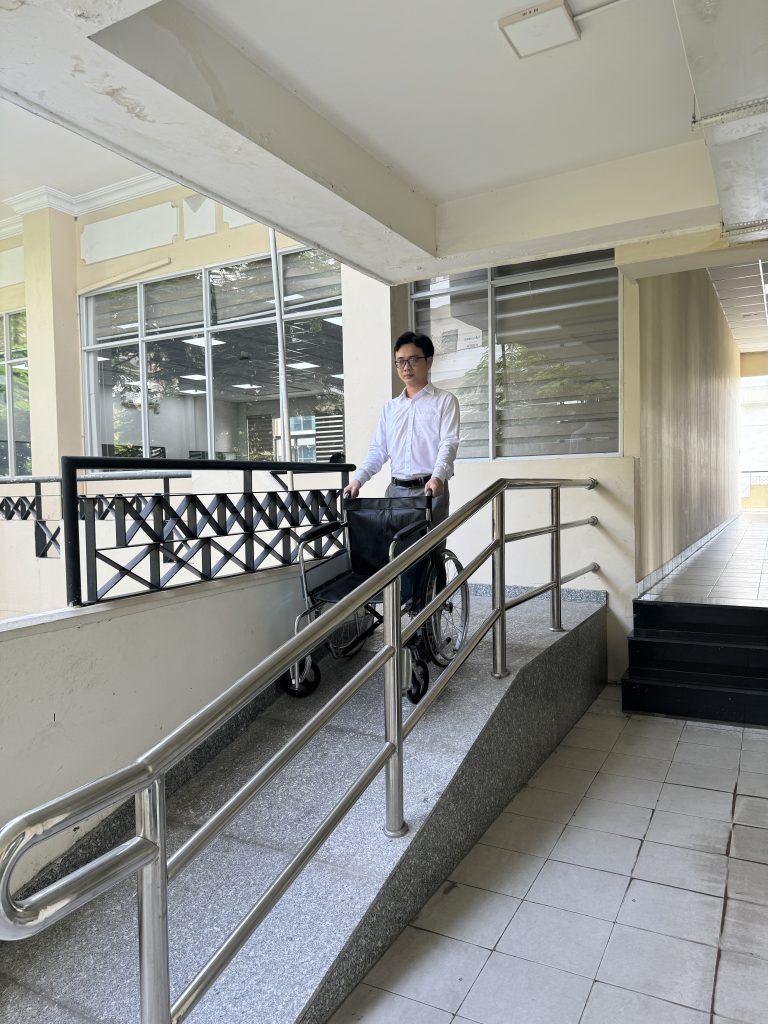
UEH provides accessible pathways to help people with mobility impairments move conveniently and safely around campus.
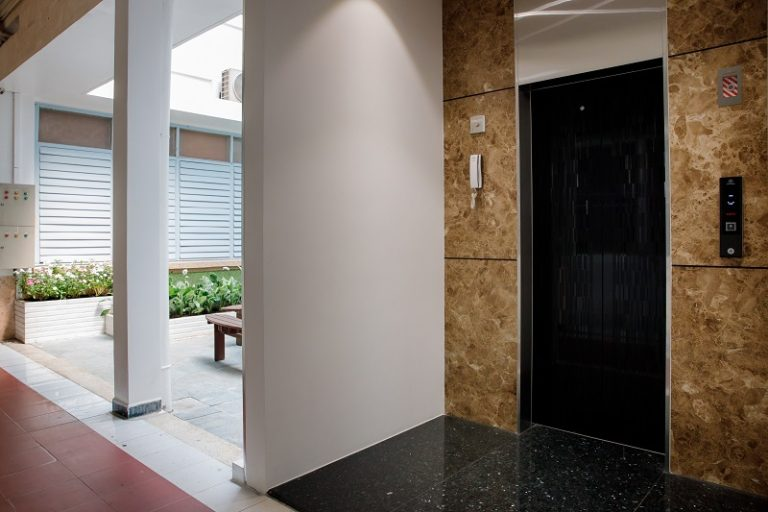
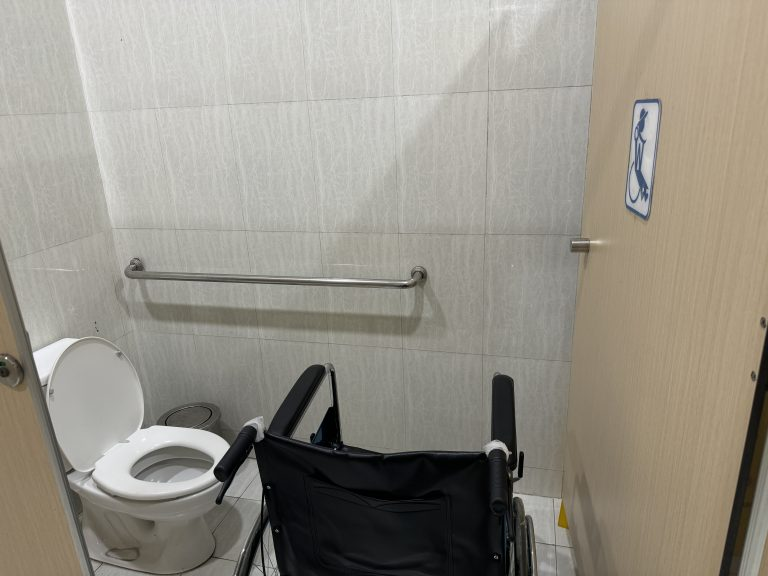
Elevators and spacious accessible restrooms equipped with grab bars enable people with disabilities to use UEH’s academic and living facilities. Source: UEH Department of Student Affairs, 1 December 2025.
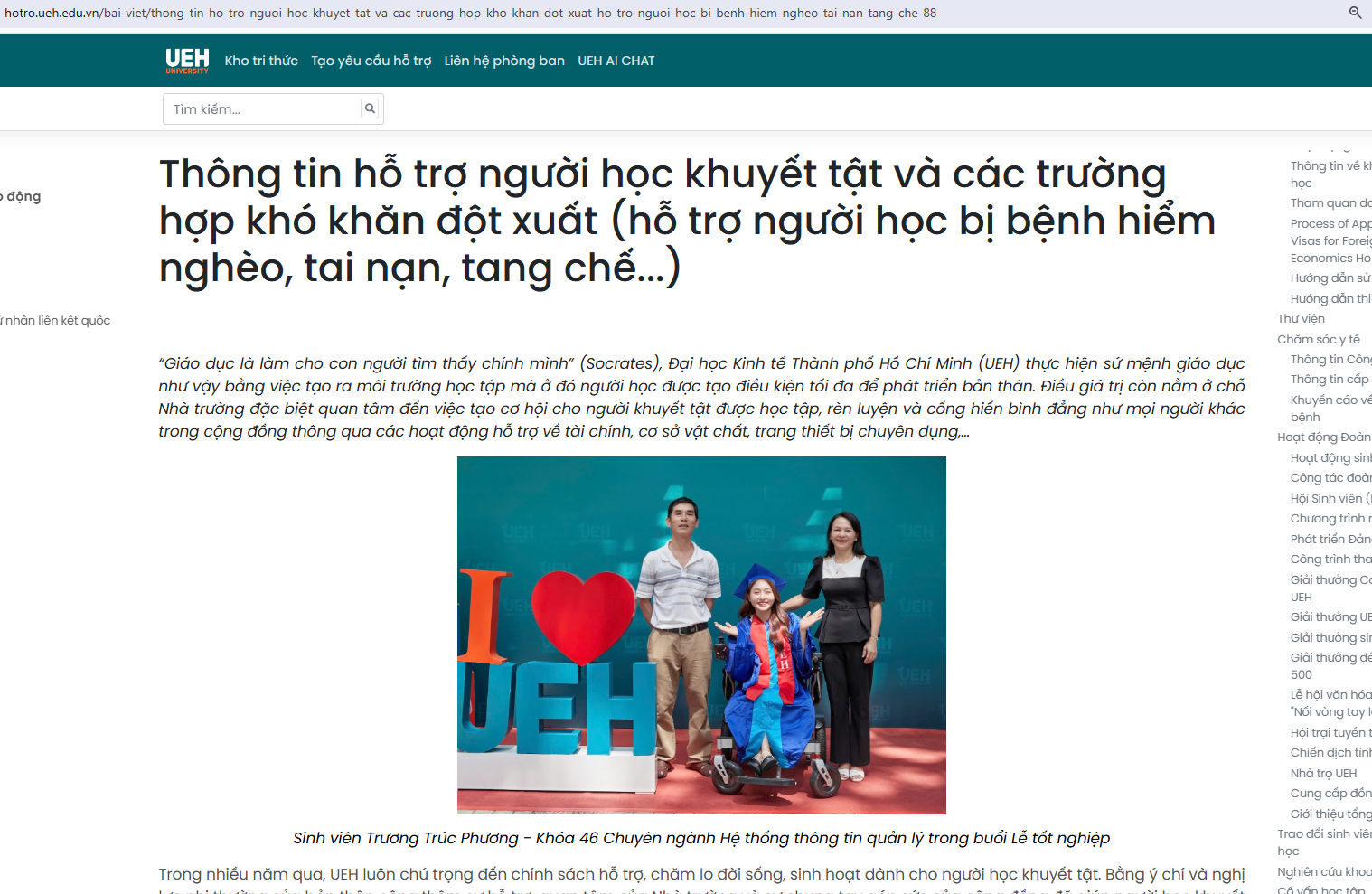
Information on support for learners with disabilities is publicly available on the UEH Knowledge Base.
Sources:
DSA UEH – Supporting Learners with Disabilities: Towards a Barrier-Free Learning Environment
2. Accessible Route Guidance Across UEH Campuses
In addition to providing physical facilities, UEH has developed the UEH Accessible Route Guide for People with Disabilities, prepared by DSA and published online.
The guide provides information on accessible locations and routes at teaching campuses and student accommodation facilities, helping learners identify their destinations, plan their journeys and use academic spaces more conveniently.
The published guide covers the following locations:
| Campus | Location | Published Accessibility Guidance |
|---|---|---|
| Campus A | 59C Nguyen Dinh Chieu Street, Ho Chi Minh City | Access guidance for Campus A, area A.002 |
| Campus B | 279 Nguyen Tri Phuong Street, Ho Chi Minh City | Access guidance for Campus B, area B1.111 |
| Campus N | Nguyen Van Linh Urban Area, Binh Hung Commune, Ho Chi Minh City | Access guidance for Campus N, area N1.201 |
By providing campus-specific guidance, UEH helps learners with disabilities independently navigate teaching and accommodation facilities while reducing their reliance on direct assistance when finding their way around campus.
The guide remains available online and continued to be highlighted by DSA in its disability support activities in 2025.
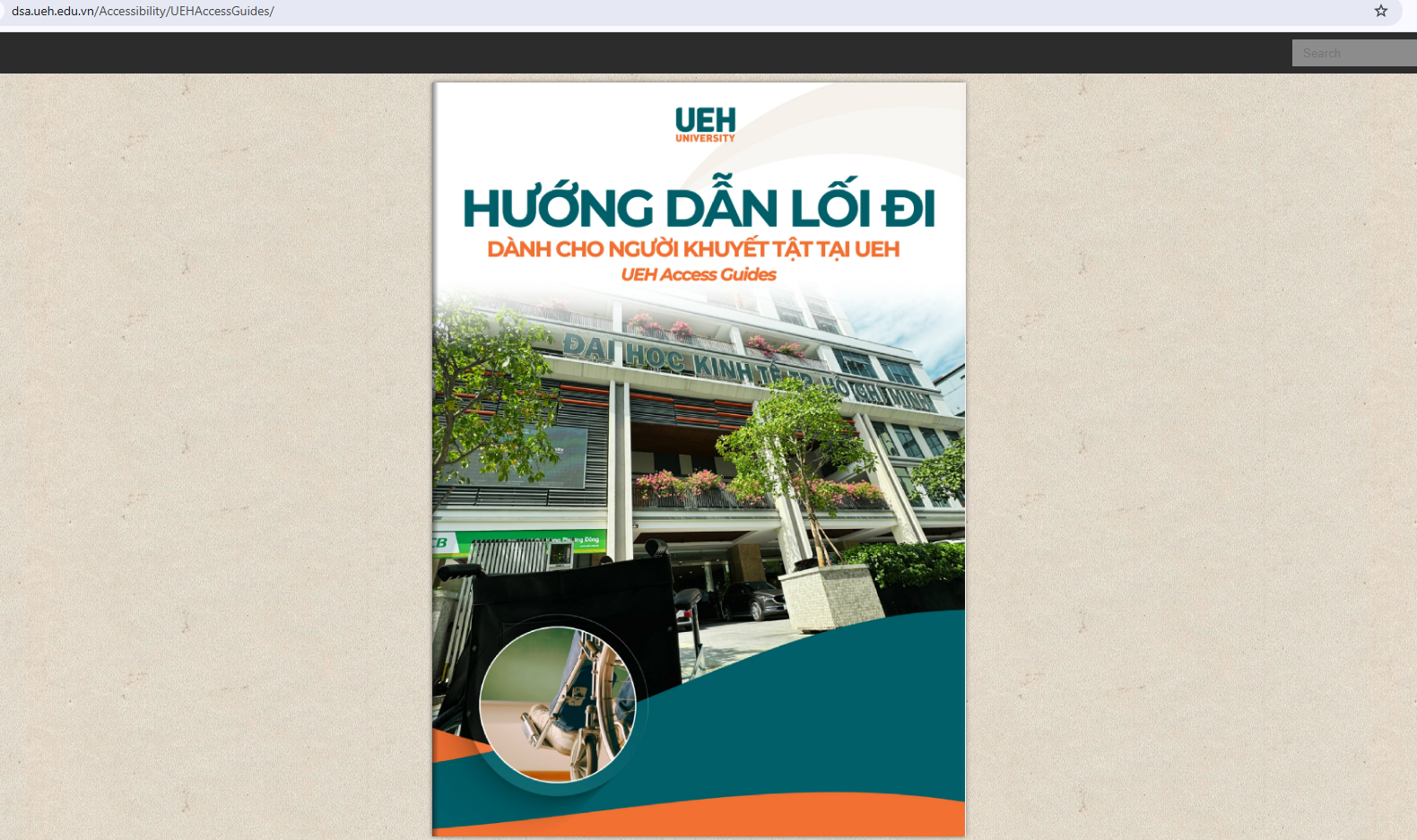
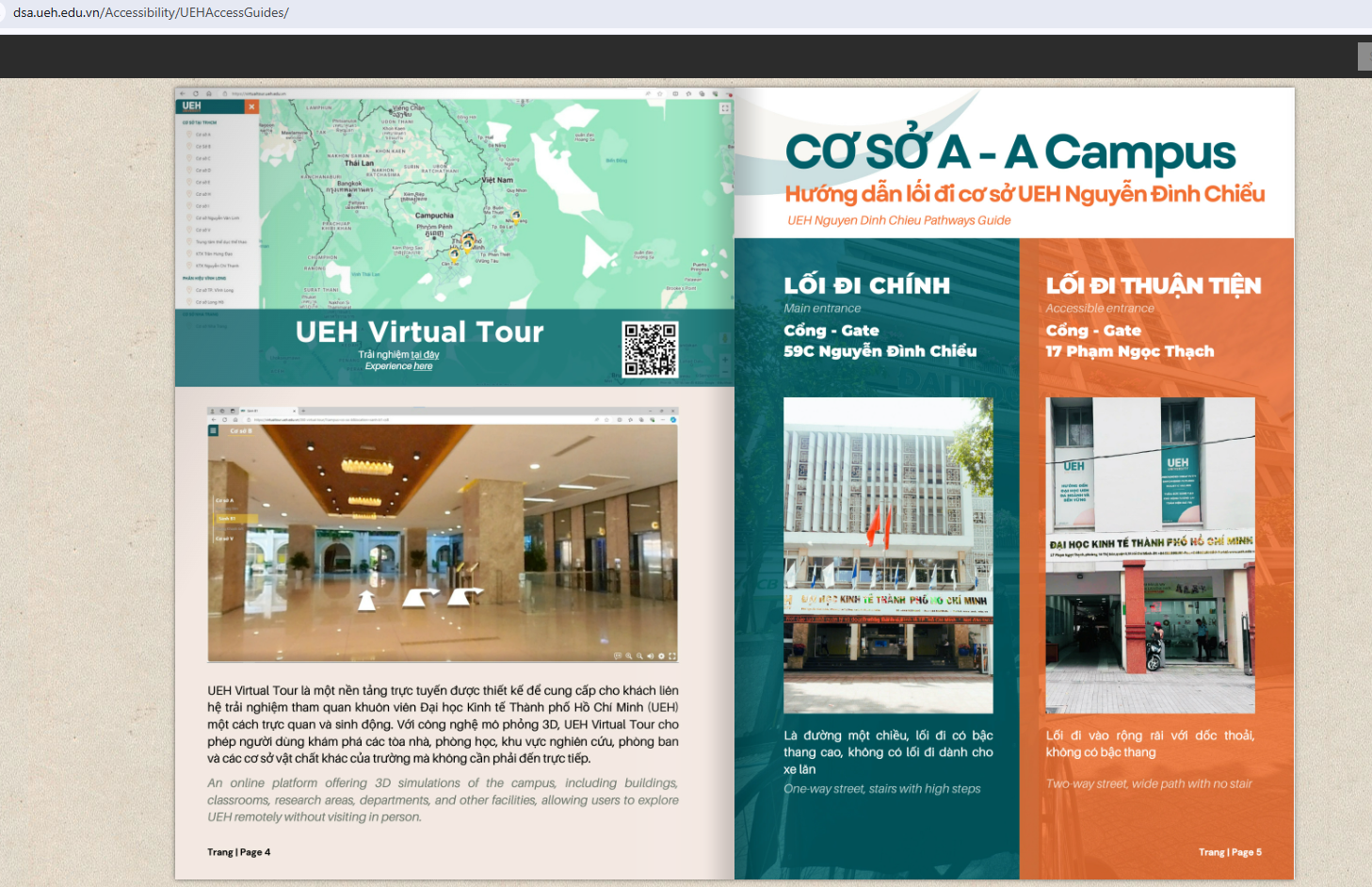
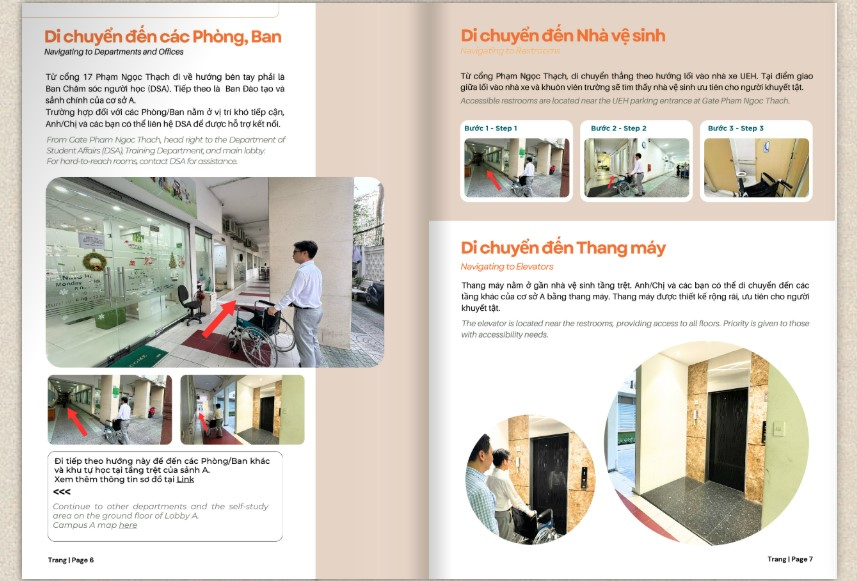
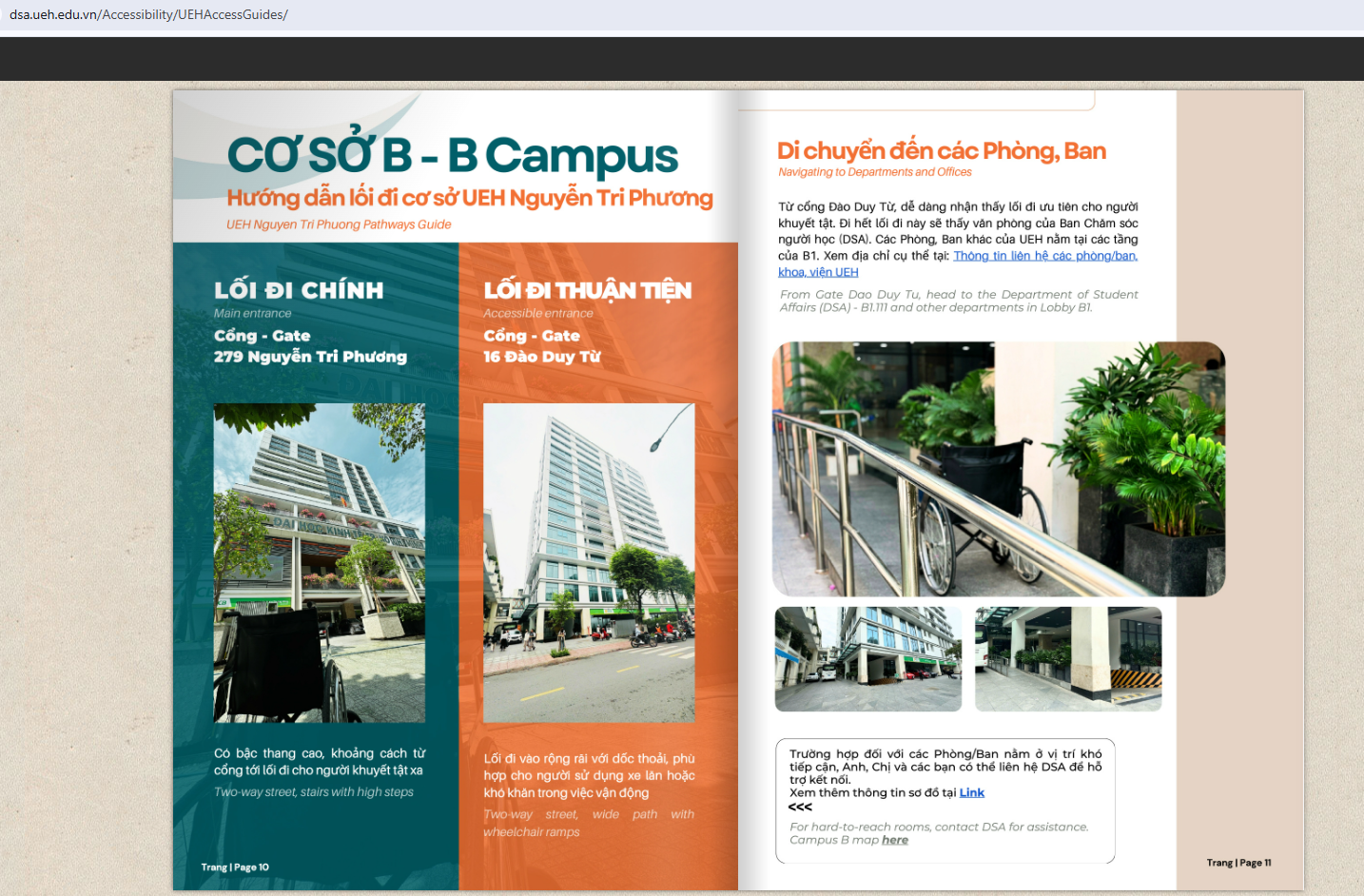
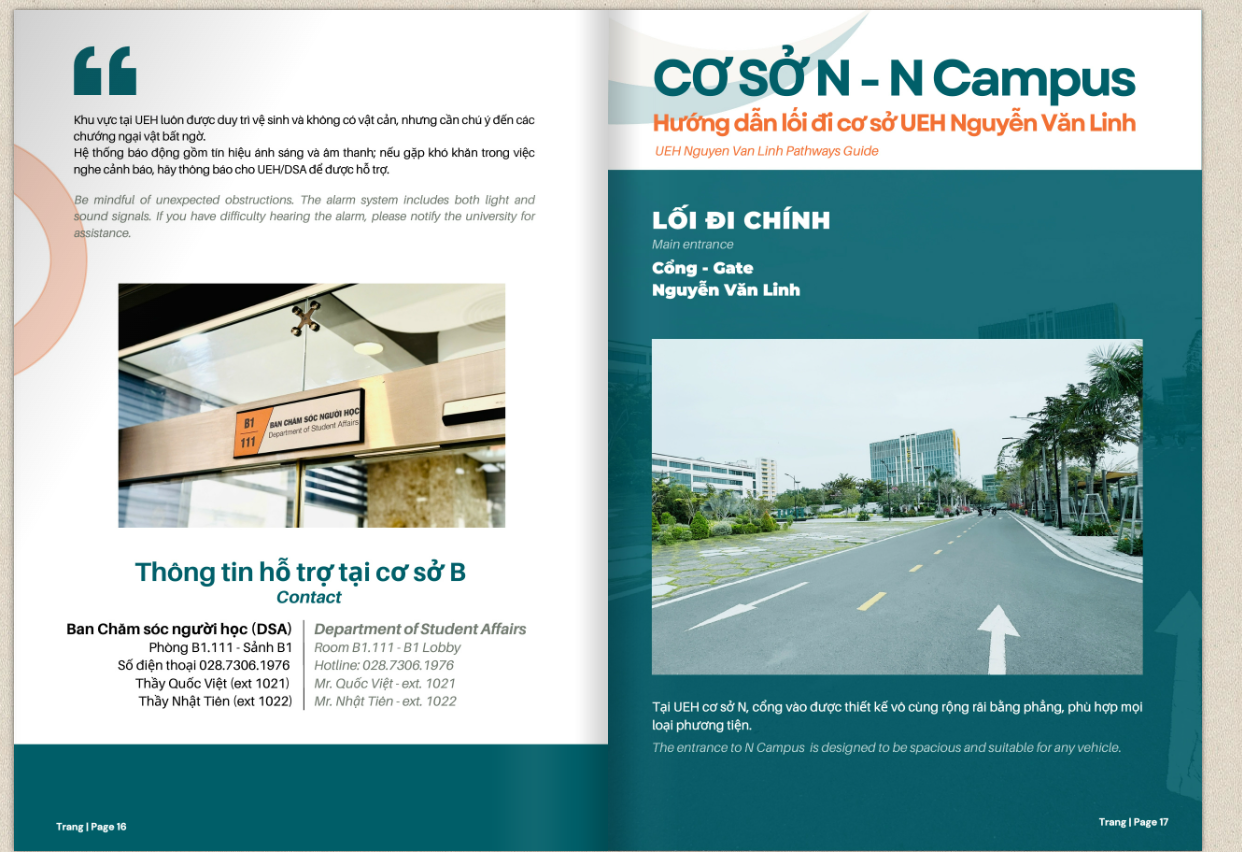
UEH publishes accessible route and location guidance across its campuses, helping people with disabilities independently plan their journeys within the University.
Source: DSA UEH – Accessible Route Guide for People with Disabilities at UEH.
3. Solutions Supporting Access to Spaces and Learning Materials for People with Disabilities
Beyond physical infrastructure, UEH has developed features that support learners with visual impairments and others with specific accessibility needs in using the learning environment.
UEH Virtual Tour includes audio guidance to help people with visual impairments explore spaces across UEH campuses. The Read out feature also facilitates access to digital learning materials through text-to-speech functionality, helping reduce barriers to information and educational resources.
UEH combines these digital solutions with accessible physical facilities to help learners explore, navigate and use learning spaces in ways that suit their individual needs.
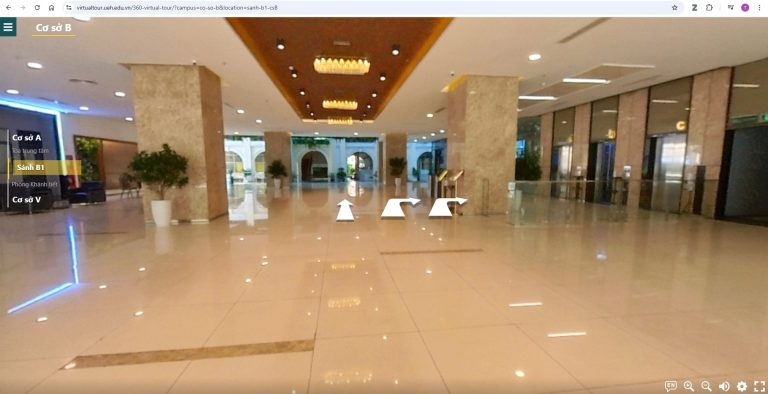
UEH has developed audio guidance within its virtual campus tour to help people with visual impairments explore learning spaces.
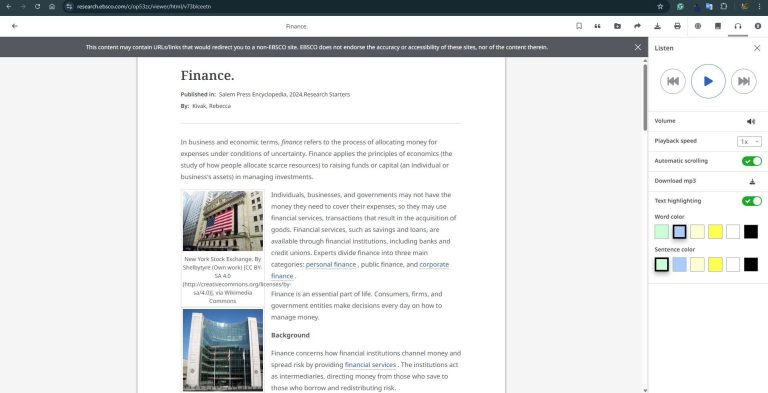
The Read out feature helps people with visual impairments access digital learning materials, complementing UEH’s accessible facilities and learning spaces
Sources:
DSA UEH – Supporting Learners with Disabilities
4. Summary of Accessible Facilities and Solutions Maintained and Publicised in 2025
| No. | Facility / Solution | Type / Category | Implementation in 2025 | Outcome | Public Source |
|---|---|---|---|---|---|
| 1 | Accessible pathways and ramps | Mobility infrastructure | UEH continued to maintain wheelchair-accessible routes at teaching campuses. | Reduced mobility barriers and facilitated access to learning spaces. | 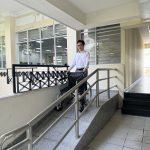
|
| 2 | Priority elevators for people with disabilities | Vertical accessibility infrastructure | UEH maintained elevators at teaching campuses to facilitate movement between floors. | Facilitated access to classrooms and functional areas. | 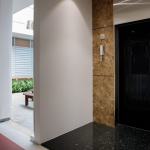
|
| 3 | Accessible restrooms with grab bars | Accessible sanitation facilities | UEH provided spacious restrooms with support grab bars for people with disabilities. | Enabled safer and more convenient use of essential facilities. | 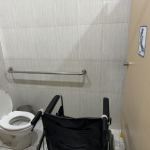
|
| 4 | Campus accessible route guide | Infrastructure-use guidance | UEH maintained information on access points across teaching campuses through the DSA platform. | Helped people with disabilities identify routes and destinations. | 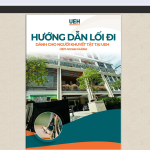
|
| 6 | UEH Virtual Tour with audio guidance | Assistive navigation technology | UEH publicly presented the audio guidance feature supporting people with visual impairments in exploring campus spaces. | Expanded access to information about University facilities. | 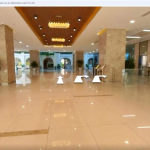
|
| 7 | Read out feature | Assistive technology for learning materials | UEH maintained a text-reading solution supporting people with visual impairments in accessing digital resources. | Complemented access to digital learning materials and learning environments. | 
|
5. Implementation Outcomes and Continuity, 2024–2025
Building on the accessible facilities and route guidance developed in earlier years, UEH continued to maintain services supporting people with disabilities in 2025.
Notably, in December 2025, DSA continued to publish information about wheelchair routes, elevators, accessible restrooms, campus wayfinding guidance and technological solutions for people with visual impairments. This meant that accessibility facilities were accompanied by practical information to help users identify, select and use them more conveniently.
Developing physical infrastructure alongside accessibility support solutions has helped create a more welcoming learning environment and reduce barriers to accessing classrooms, student accommodation and shared spaces.
6. Conclusion
By maintaining accessible pathways, elevators, dedicated restrooms, route guidance and support solutions for people with visual impairments in 2025, the University of Economics Ho Chi Minh City continued to develop facilities that respond to the diverse needs of learners.
These facilities help people with disabilities access academic and living spaces more conveniently, progressively reduce physical and informational barriers, and promote equal participation in higher education, contributing to SDG 10 – Reduced Inequalities.