

7.2.2. Upgrade buildings to higher energy efficiency
In 2025, UEH continued to invest in upgrading existing buildings, expanding energy-consumption monitoring systems and implementing operational management solutions, laying the groundwork for reducing electricity consumption and emissions across the University.
1. Strategic directions
UEH has progressively moved from facilities management driven by immediate user needs towards infrastructure management centred on energy efficiency and sustainable development. Its upgrade plan followed three main directions:
Renovating and upgrading existing buildings to improve energy efficiency: UEH prioritised improvements to building envelopes, lighting, cooling and ventilation, while progressively replacing low-efficiency equipment with more energy-efficient alternatives.
Applying smart technologies to building operations: Centralised monitoring, real-time energy tracking and automated controls were integrated into infrastructure to support efficient energy use and reduce waste.
Developing a green campus model linked to improved building performance: UEH combined renewable energy solutions, microclimate improvements and natural lighting with efforts to encourage energy-saving behaviour in learning and working environments.
2. Objectives and target groups
Objectives:
– Improve the energy efficiency of operating buildings, contributing to lower electricity consumption and operating costs.
– Improve the performance of lighting, air-conditioning, electrical equipment and energy management infrastructure.
– Strengthen the monitoring, supervision and assessment of energy use across UEH campuses.
– Integrate green solutions, smart technologies and renewable energy into building renovation.
– Progressively establish a database for evaluating upgrade effectiveness, emissions reduction and sustainable development objectives.
Target groups: The Infrastructure Management Board, facilities management units, investment planning and delivery teams, technical consultants, equipment suppliers and other stakeholders involved in building management and operations, together with lecturers, administrative staff, employees, students, partners and visitors using UEH facilities.
3. Internal commitments and supporting policies
To improve the energy efficiency of existing buildings and infrastructure, the University of Economics Ho Chi Minh City (UEH) continued to implement the Green Campus Practice Regulations, issued under Decision No. 2059/QD-DHKT-CSVC in 2022. In particular, Article 12, Clause 7 provided for the phased investment in green facilities, equipment and sustainable energy in UEH buildings; Article 19 established policies on energy efficiency in UEH building construction; and, notably, Article 20 set out the Plan for Upgrading and Renovating Infrastructure to Reduce Energy Consumption.
The infrastructure upgrade and renovation plan to reduce energy consumption was developed by UEH to optimise the energy performance of existing buildings, improve infrastructure quality, reduce emissions and work towards a green, modern, smart and sustainable facilities system. The plan sought to progressively improve energy efficiency, lower operating costs and encourage environmentally responsible design solutions in support of UEH’s Green Campus objectives.
- Apply energy-efficient materials and equipment in design, renovation and new construction. UEH buildings should prioritise insulation, heat-resistant and low-E glazing, reflective roof and wall coatings, and environmentally friendly recyclable or reusable materials to reduce energy losses and extend building service life.
- Progressively replace conventional lighting with LEDs, motion-sensor lights and automatic lighting controls. Learning areas, corridors, offices and public spaces should use lighting sensors to optimise electricity consumption in real time.
- Improve cooling and ventilation systems to save electricity through high-efficiency air conditioners, energy-efficient ceiling fans, heat pumps and natural ventilation. Campuses with suitable roof space, including UEH Nha Trang, UEH Vinh Long and administrative or library buildings in Ho Chi Minh City, were encouraged to install rooftop solar power systems to supplement renewable energy supplies and reduce grid demand.
- Integrate green design features into renovations, including roof gardens, green façades, open green spaces and small ecological areas, to improve the microclimate, reduce heat exposure and create comfortable, environmentally friendly learning and working spaces.
- Prioritise building design standards suited to each campus’s climate: enhance ventilation and moisture protection in Ho Chi Minh City; prioritise heat-resistant and waterproof materials in Vinh Long; and make use of sea breezes and natural daylight while selecting salt-corrosion-resistant materials in Nha Trang.
- The Facilities Department and infrastructure management units were responsible for coordinating renovation roadmaps, monitoring energy use and proposing energy-efficient building solutions. Results were to be compiled regularly and reported to the UEH Green Campus Coordination Board for inclusion in the annual sustainability report.
In 2025, UEH continued to build on energy-efficient infrastructure upgrade measures and developed a proposal to update its Green Campus Practice Regulations by consolidating the former Articles 19 and 20 into Article 13 – Policy on Green Building Development and Energy Efficiency in Construction, as follows:
Energy efficiency in construction means proactively integrating energy-efficient solutions into building design, construction, renovation and operations. This policy aims to develop environmentally friendly facilities, reduce greenhouse gas emissions and optimise energy consumption throughout UEH.
Apply energy-efficient materials and equipment in the design and renovation of existing and new buildings. UEH buildings should prioritise insulation, heat-resistant and low-E glass, reflective roof and wall coatings, and environmentally friendly materials that can be recycled or reused. Lighting should use LEDs, motion sensors and real-time automatic controls. Cooling systems should favour high-efficiency air conditioning, energy-efficient ceiling fans, heat pumps or optimised natural ventilation. Solar photovoltaic systems were encouraged at sites with suitable roof space, such as UEH Nha Trang, Vinh Long, and administrative and library buildings. Environmentally responsible designs, including roof gardens, open green spaces and certified green building materials, should be prioritised in infrastructure investment.
UEH encourages its departments, institutes and centres to prioritise renewable energy, energy-efficient lighting, electrical equipment with high energy-efficiency ratings and smart energy management systems when investing in, operating and maintaining buildings.
Construction and renovation projects should consider energy efficiency from the design stage by optimising ventilation, natural daylight, wind orientation and solar exposure while minimising high-emission materials. Solar energy, condensate recovery and waste-energy recovery solutions are encouraged for research and implementation where feasible.
Standardise building design according to climate zones and the characteristics of each UEH campus. Ho Chi Minh City campuses should address moisture and improve natural ventilation using materials suited to a humid tropical climate. Vinh Long campuses in the Mekong Delta should prioritise heat-resistant, waterproof and water-resilient materials for the rainy season. Coastal Nha Trang should use salt-corrosion-resistant materials, capture sea breezes through ventilation design and maximise solar energy. Dormitories should adopt simple, energy-efficient, well-ventilated and safe designs. Each building type, including classrooms, dormitories, learning resource centres and offices, should have energy-consumption standards suited to its use and local conditions.
Integrate ecological considerations and biodiversity conservation into planning and construction. Renovation and new-build projects should minimise impacts on surrounding natural features, including mature trees and indigenous vegetation. Prioritise green infrastructure such as roof gardens, green façades, rainwater harvesting systems and ecological ponds. Native, low-water plants requiring limited maintenance are encouraged to reduce operating and maintenance costs.
Aim to meet domestic and international green building certification standards. UEH buildings, particularly major renovations and new developments such as dormitories, libraries, smart classrooms and the Nha Trang campus, should work towards LOTUS (Vietnam Green Building Council), EDGE (IFC–World Bank Group), LEED (United States) or equivalent certifications. The University may pilot selected buildings as replicable models while training technical staff and raising awareness of green building standards.”
In addition to Article 13, Article 14 – Plan for Upgrading and Renovating Infrastructure to Reduce Energy Consumption – specified:
The plan for upgrading and renovating infrastructure to reduce energy consumption is an initiative through which UEH seeks to optimise the energy efficiency of existing buildings, improve infrastructure quality, reduce emissions and develop green, modern, smart and sustainable facilities. It aims to progressively improve energy efficiency, lower operating costs and encourage environmentally responsible design solutions in support of the University’s Green Campus objectives.
Apply energy-efficient materials and equipment in design, renovation and new construction. UEH buildings should prioritise insulation, heat-resistant and low-E glass, reflective coatings for roofs and walls, and recyclable or reusable environmentally friendly materials to reduce energy losses and extend building service life.
Progressively replace conventional lighting with LED systems, motion-sensor lighting and automatic lighting controls. Learning spaces, corridors, offices and public areas should be fitted with lighting sensors to optimise electricity consumption in real time.
Improve cooling and ventilation systems to save electricity, using high-efficiency air conditioning, energy-efficient ceiling fans, heat pumps or natural ventilation. Sites with suitable roofs, such as UEH Nha Trang, UEH Vinh Long and administrative and library buildings in Ho Chi Minh City, are encouraged to install rooftop solar systems to provide renewable energy and reduce grid demand.
Integrate green designs into renovation, including roof gardens, green façades, open green spaces and small ecological areas, to improve microclimates, reduce solar heat exposure and provide comfortable, environmentally friendly learning and working spaces.
Prioritise building design standards suited to each campus’s climate: greater ventilation and moisture protection in Ho Chi Minh City; heat-resistant and waterproof materials in Vinh Long; and use of sea breezes, natural daylight and salt-corrosion-resistant materials in Nha Trang.
The Infrastructure Management Board and infrastructure management units shall coordinate renovation roadmaps, monitor energy use and propose energy-efficient building solutions. They shall regularly compile results and report to the UEH Green Campus Coordination Board for inclusion in the University’s annual sustainability report.”
Implementing the infrastructure upgrade and renovation plan to reduce energy consumption would improve energy efficiency across UEH, reduce greenhouse gas emissions and operating costs, and enhance learning and working environments. The policy demonstrates UEH’s commitment to sustainable development and its ambition to advance the Green Campus model in Vietnam.
Accordingly, compared with 2024, the principal change proposed in the 2025 update was to restructure and integrate existing-building renovation plans into a unified green building development policy, rather than retaining them solely under Article 20. The proposed adjustment sought greater alignment between new-building design requirements and upgrades to existing facilities, providing a basis for further energy-efficiency measures consistent with THE Sustainability Impact Ratings 2027 indicator 7.2.2 – Upgrade buildings to higher energy efficiency.
4. Evidence of programmes and activities implemented in 2025
| No. | Programme/Project | Activity type/Classification | Activities and outcomes | Public source |
| 1 | Investment in upgrading existing UEH buildings in 2025 | Building renovation and upgrades; infrastructure investment | On 11 August 2026, UEH reported VND 14,415 million in expenditure on building upgrades undertaken in 2025. This provides quantitative evidence of actual investment in facilities upgrades, rather than plans alone.
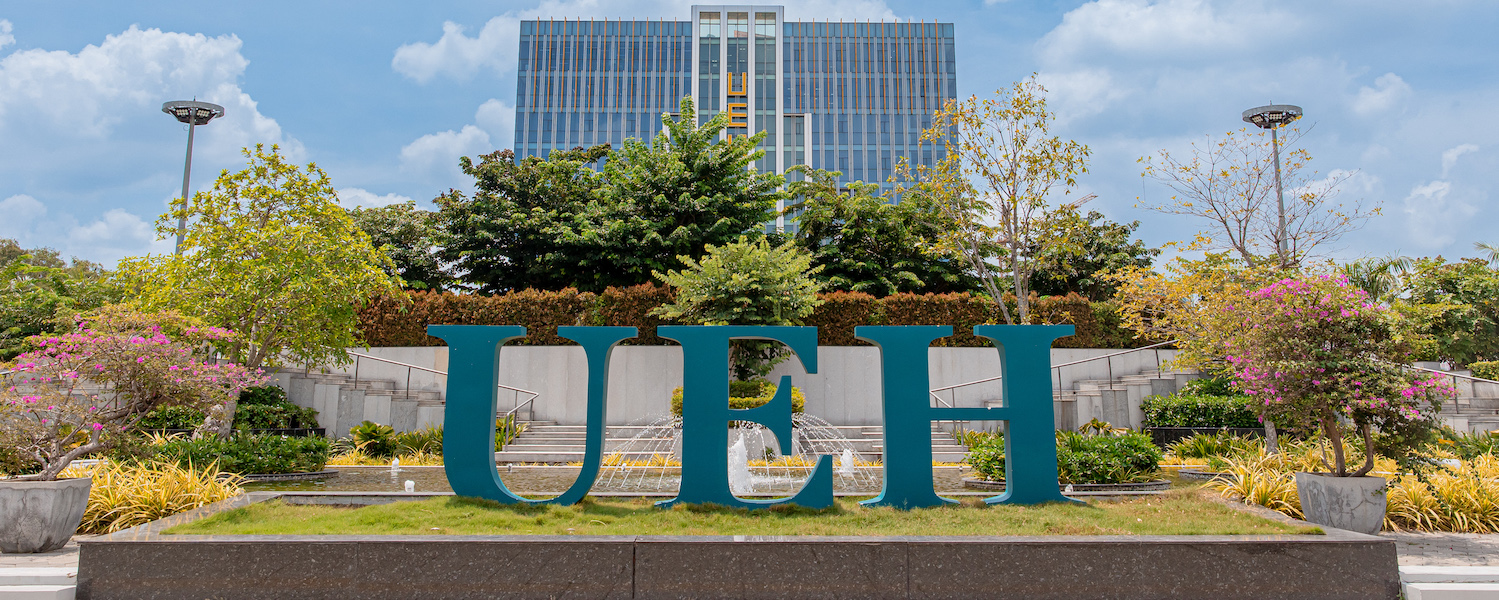
Nguyen Van Linh Campus (Campus N), University of Economics Ho Chi Minh City (UEH) |
UEH Portal, “Public Disclosure Information 2026”, August 2026;
https://ueh.edu.vn/quy-che-cong-khai/thong-tin-cong-khai-nam-2026-77828 |
| 2 | Modernisation of smart building systems and energy management in 2025 | Technical infrastructure upgrades; smart energy management systems | In 2025, the floor area of UEH buildings meeting smart building criteria reached 79,665.85 m², representing 53.99% of total University floor space. These buildings were equipped with centralised energy management and monitoring systems, real-time consumption tracking and automated lighting and air-conditioning controls. These solutions supported improved energy efficiency in existing buildings. | UEH Portal, “New Milestones of the UEH Green Campus Project in 2025: Operating and Sharing the UEH Green University Model with the Community”, 4 February 2026. |
| 3 | Introduction of energy-efficient electrical equipment across UEH campuses | Equipment installation and replacement; improving energy performance | According to the 2025 year-end report, UEH recorded nearly 570 energy-efficient devices put into use, accounting for approximately 89.87% of the equipment in the reported scope. This indicates the implementation of high-efficiency equipment procurement and use.
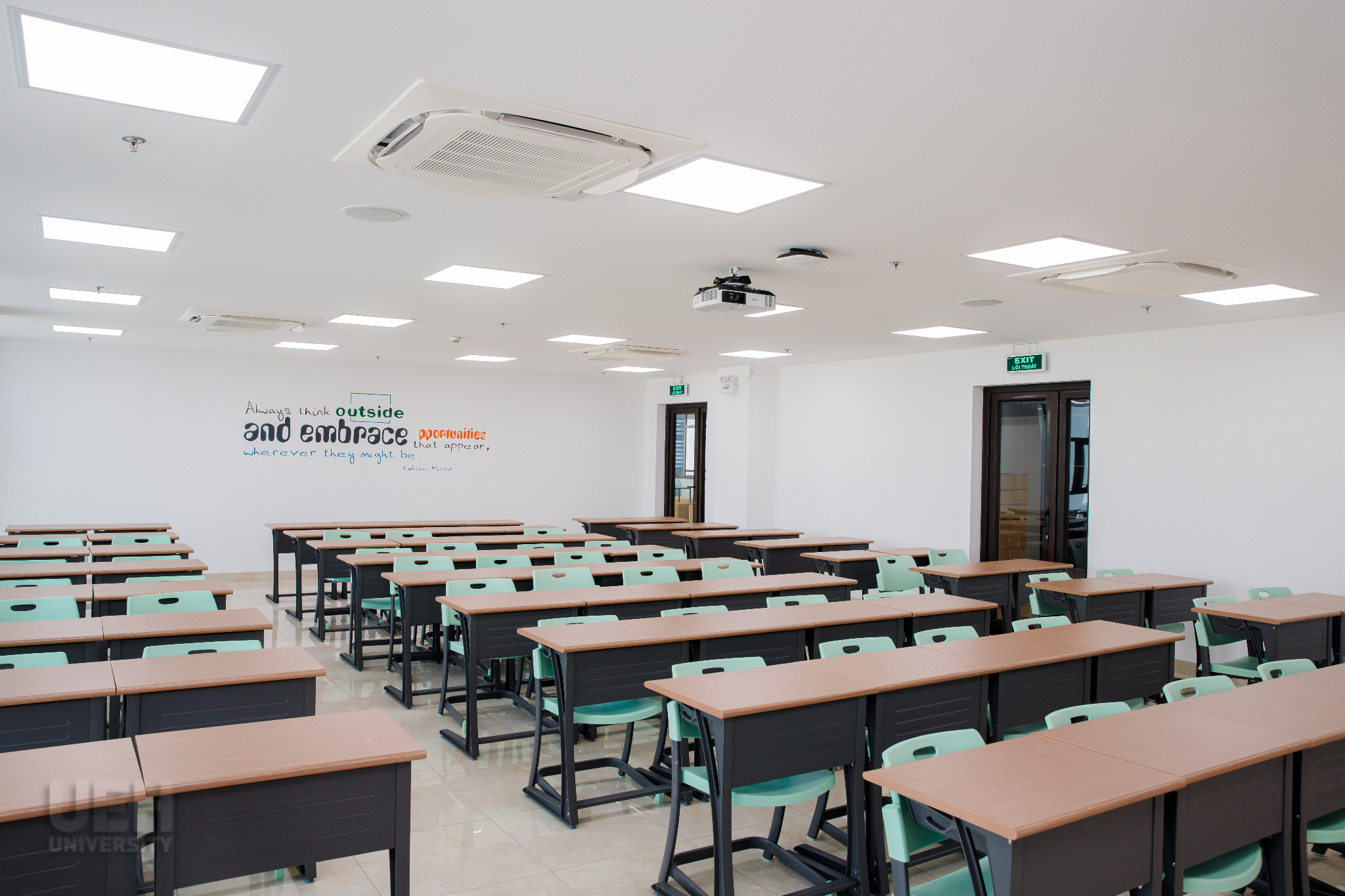
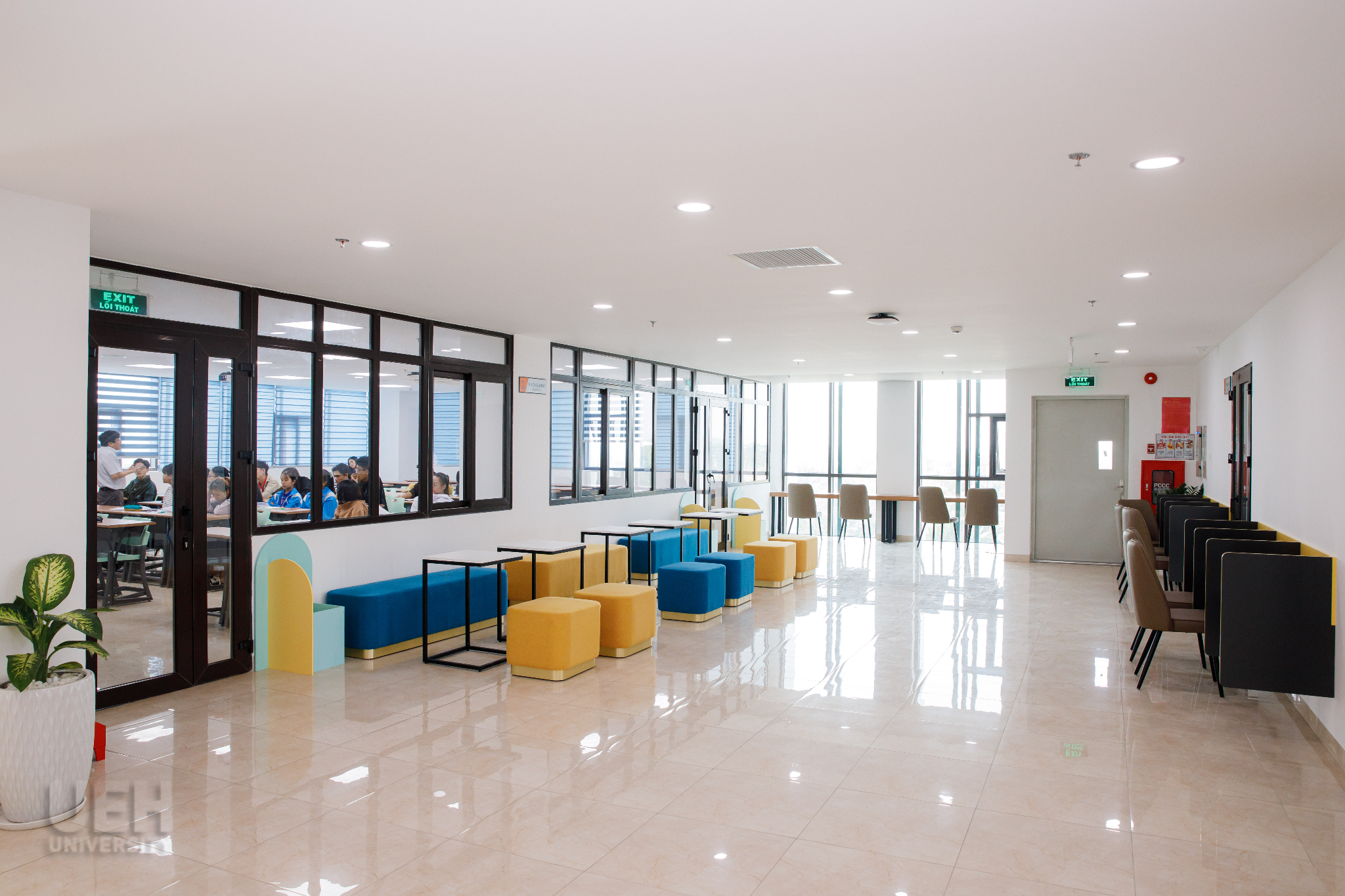
Modern lecture theatre facilities |
UEH Portal, “From Sustained Effort to a New Look: UEH Towards a Green and Smart University for the Lunar New Year 2026”, 14 February 2026. |
| 4 | UEH Green Campus – Digital Twin pilot at Vo Thi Sau Campus | Infrastructure digitisation; improved building management and operations | In 2025, UEH piloted a Digital Twin model at Vo Thi Sau Campus, using visualised data to support resource management, operational monitoring and energy conservation. This was a practical application of infrastructure management technology, providing a basis for identifying and optimising areas of inefficient energy consumption. | UEH Green Campus, “New Milestones of the UEH Green Campus Project in 2025”, published 4 February 2026, reporting 2025 results. |
| 5 | UEH Green Campus – Calories Stairs “Power-Up Steps” | Improving building-use spaces; encouraging energy savings | The staircase was decorated with messages encouraging students, lecturers and staff to take the stairs instead of the lift. The initiative aimed to lower electricity demand from lifts, improve health and promote responsible energy-use habits.
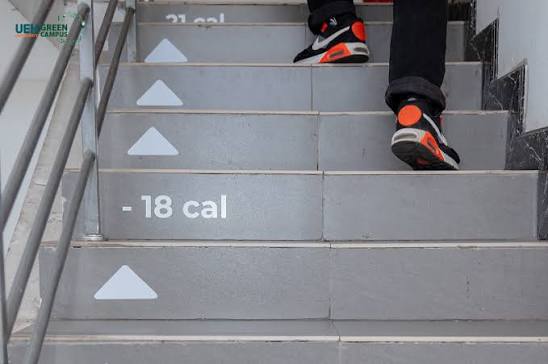
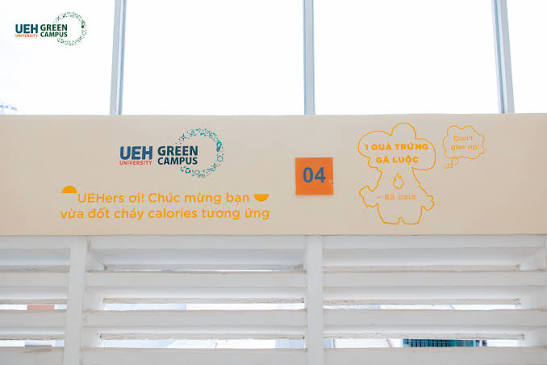
UEH Calories Stairs encourages stair use instead of lifts to reduce emissions and electricity consumption |
UEH Green Campus, “15 Products in the UEH Green Campus Ecosystem”, published 22 July 2025.
https://gogreen.ueh.edu.vn/tin-moi-noi-bat/15-san-pham-trong-he-sinh-thai-ueh-green-campus |
| 6 | Renovation and modernisation of UEH Campus A | Facilities renovation and upgrades; smart learning space development | UEH carried out renovation and modernisation of Campus A towards green and smart infrastructure, integrating technology into learning and working spaces. These improvements enhanced facilities quality and supported more efficient building management and operations. | UEH Portal – “From Sustained Effort to a New Look: UEH Towards a Green, Smart University” |
| 7 | Development of smart learning spaces and technology infrastructure at UEH Mekong | Facilities modernisation; smart and sustainable learning spaces | In 2025, UEH Mekong continued operating theoretical and practical classrooms using the Hybrid Class model, alongside studios, a smart library and modern learning and working spaces. Open-plan designs made use of daylight and integrated technology to support teaching and learning.
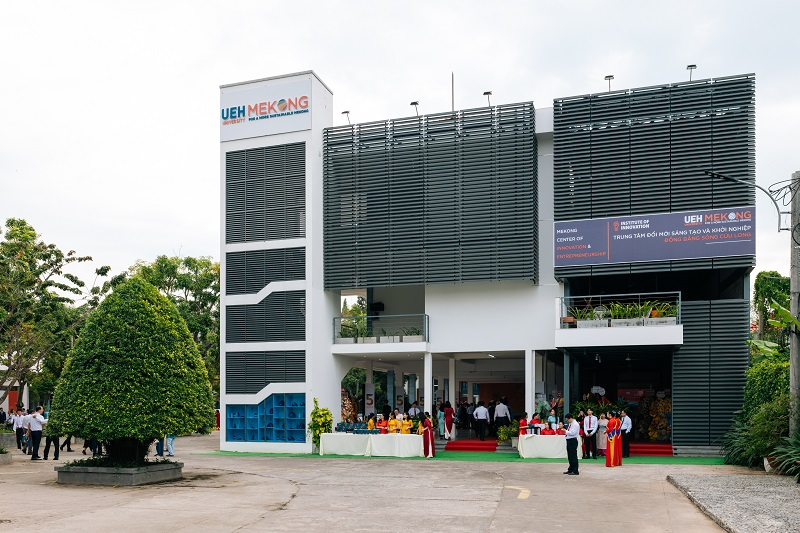
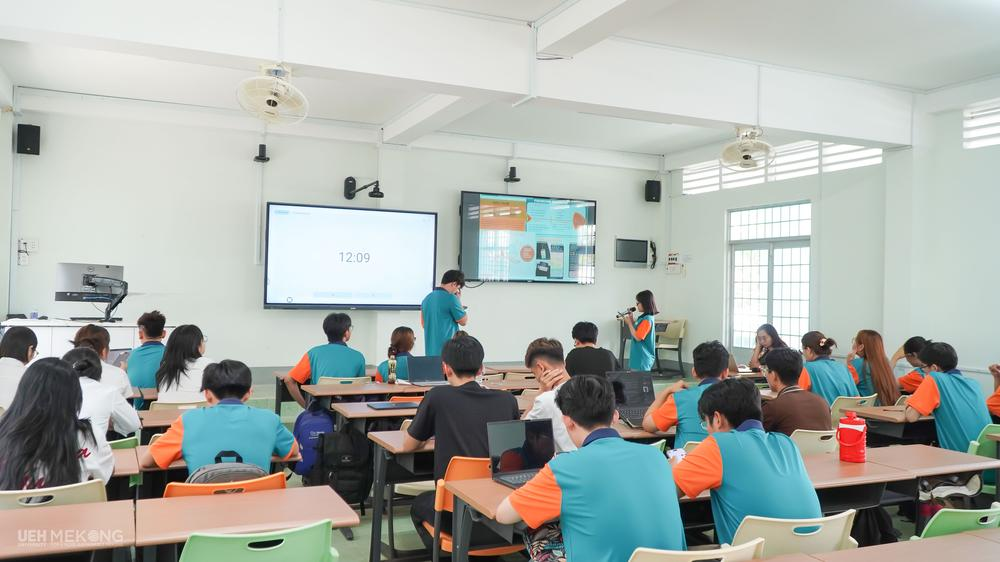
UEH Vinh Long Campus |
UEH Portal – “UEH Mekong: From Brand Positioning to Modern Infrastructure for Sustainable Education”, 3 July 2025 |
| 8 | Integrating renewable energy technologies into UEH facilities operations | Energy technologies; green building operations | Solar photovoltaic systems at Campuses A, B and N continued supplying electricity for UEH use. The Green Campus report for 2025 stated that more than 508,000 kWh of solar electricity per year was used directly at these campuses. This demonstrated the integration of renewable energy into university infrastructure.
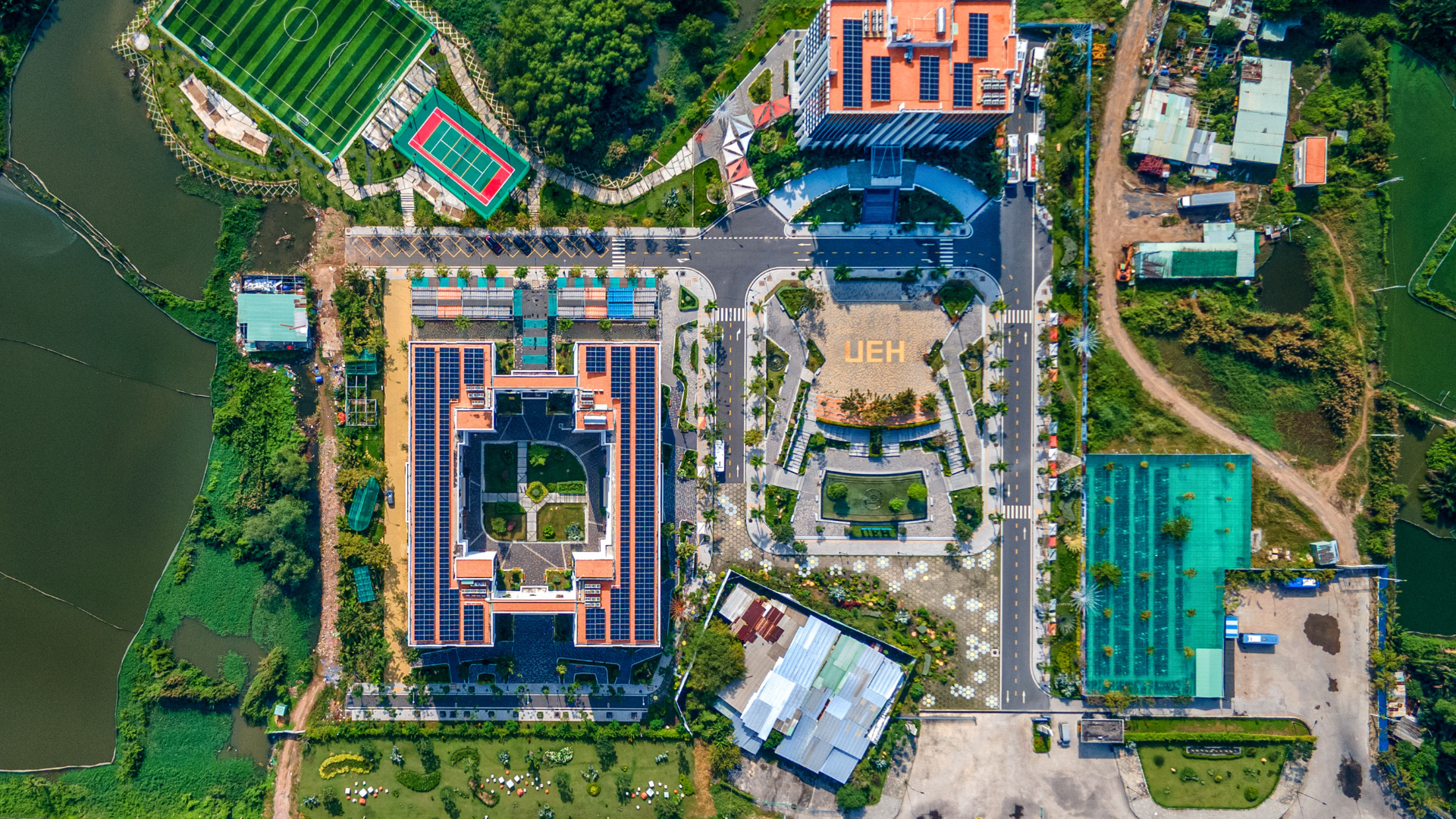
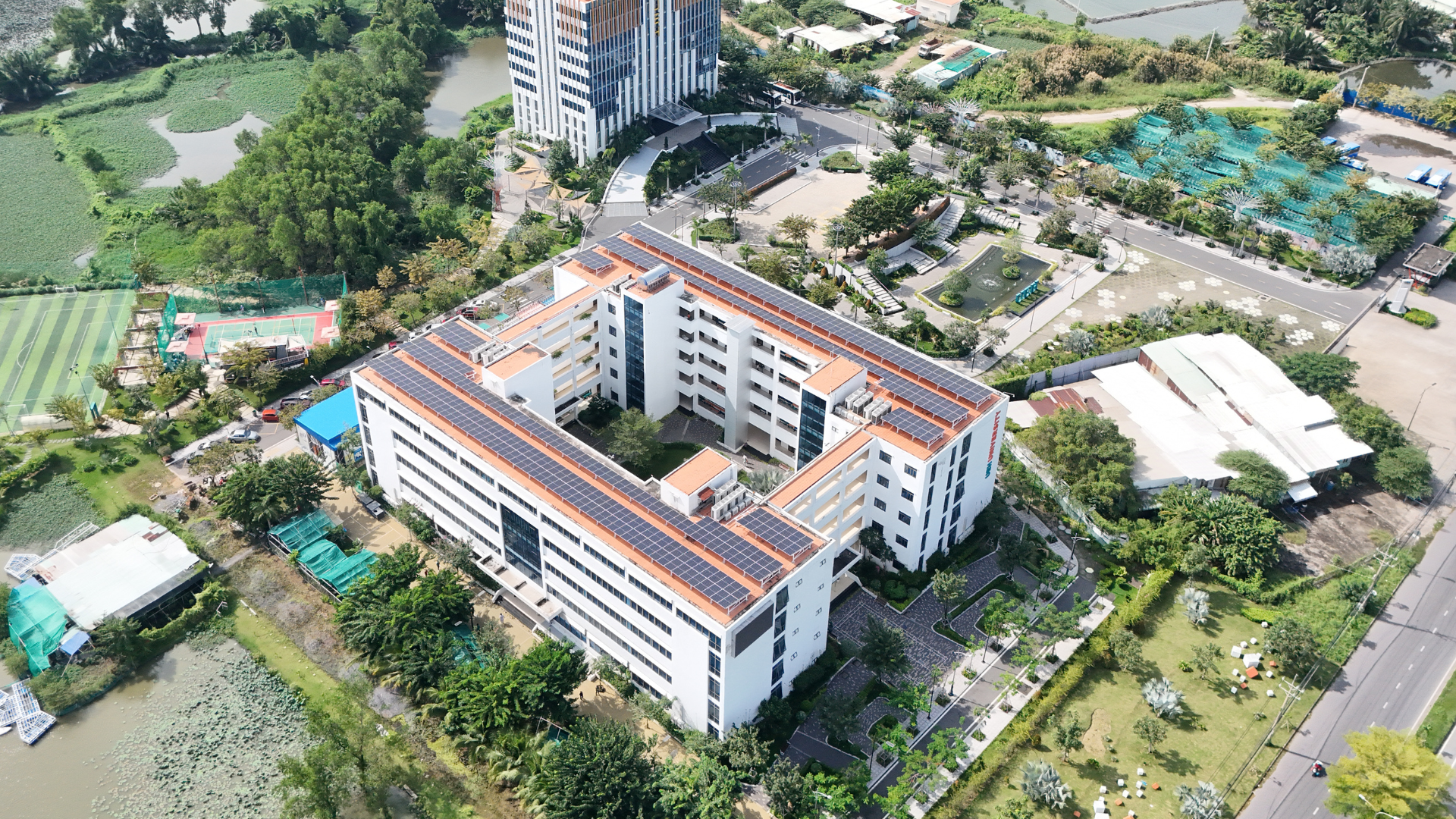
UEH installed solar power systems at its campuses |
UEH Green Campus, 2025 results report published 4 February 2026; UEH Green Campus Project Report 2025 |
| 9 | UEH Green Campus – i Ve Chai Machine | Smart waste collection and recycling technologies; circular economy; energy savings and CO₂ emissions reduction | UEH continued operating i Ve Chai Machines at Campuses A, B and N to automatically collect plastic bottles and aluminium cans, promote waste segregation at source and recycle materials. Data compiled from six monthly reports recorded 10,644 plastic bottles and 6,012 aluminium cans, representing 223.94 kg of collected materials. Based on the estimation methodology used in those reports, the initiative contributed to estimated savings of 5,330.12 kWh of energy and 16,656 litres of water and an estimated reduction of 832.85 kg CO₂. These results illustrated how a circular economy model could reduce demand for resources and energy used in manufacturing new materials.
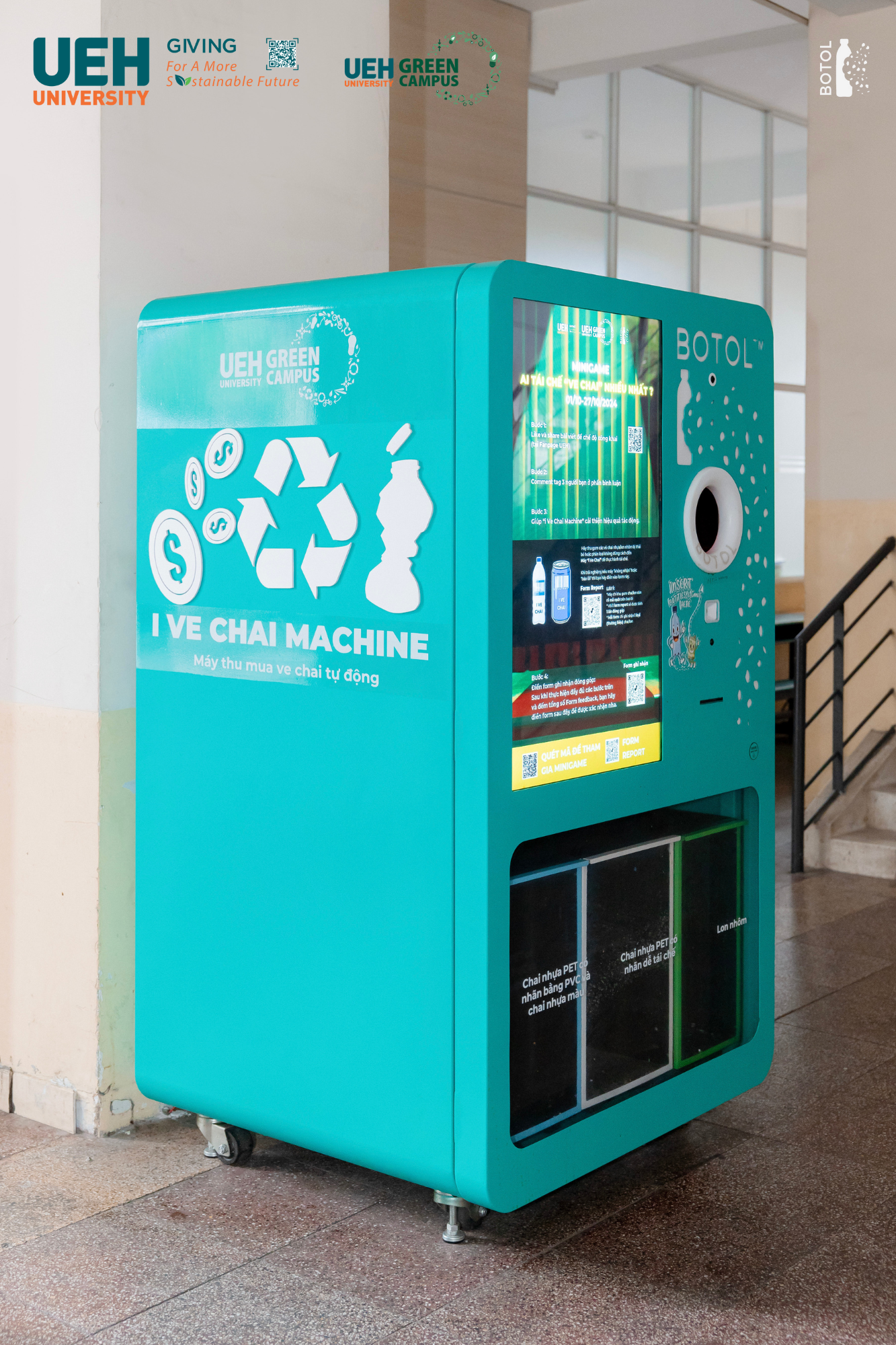
Automated recyclable collection machine with separate labels for crushed plastic bottles and aluminium cans |
UEH Green Campus – i Ve Chai Machine, monthly reports for March–August 2025 at Campuses A, B and N. |
5. Conclusion
In 2025, UEH continued implementing its approach to upgrading existing buildings for improved energy performance by combining infrastructure renovation planning, investment in building upgrades and smart energy management technologies. Under the Green Campus Practice Regulations, particularly Article 20 on upgrading and renovating infrastructure to reduce energy consumption, UEH set out measures covering materials, lighting, cooling, ventilation, green design and monitoring responsibilities.
Publicly reported 2025 results included VND 14,415 million in building upgrade expenditure, 79,665.85 m² of floor space meeting smart building criteria, the use of energy-efficient equipment, centralised infrastructure monitoring and a Digital Twin pilot at Vo Thi Sau Campus.
Compared with 2024, when UEH focused on upgrading 17 classrooms at Campuses B and D, improving office spaces and developing smart classrooms and studios at UEH Mekong, the 2025 results showed a continued shift from spatial and equipment upgrades towards stronger monitoring, energy controls and modernised building operations. This demonstrated continuity between existing-building upgrade plans and renovation, investment and operational activities, contributing to SDG 7 – Affordable and Clean Energy, particularly THE Sustainability Impact Ratings 2027 indicator 7.2.2 – Upgrade buildings to higher energy efficiency.