

15.2.5 – Sustainable management of land for agriculture (educational outreach)
The University of Economics Ho Chi Minh City (UEH) promotes the dissemination and transfer of knowledge on sustainable agricultural land management, focusing on efficient use of land and water resources, smart farming, climate change adaptation, and the long-term productive capacity of farmland. In 2025, UEH continued pursuing this objective by connecting government agencies, research organizations, businesses, and other stakeholders. Activities focused on sharing knowledge about land resource governance, agricultural technology, and sustainable agricultural development, particularly in the Mekong Delta, with knowledge-transfer contributions from the College of Economics, Law and Government (CELG), UEH Mekong Campus, and the Health and Agricultural Policy Research Institute (HAPRI).
1. Orientation
UEH aims to organize educational activities, knowledge dissemination, and community-oriented transfer of solutions to support sustainable agricultural land use, limit resource degradation, and adapt to changing environmental conditions, climate, and water availability. Key areas include:
Agricultural land management, use, and protection:Disseminating knowledge about responsible land resource use, legal issues in land use, protection of soil quality, and mitigation of negative impacts from production, planning, or land-use conversion.
Smart farming and climate change adaptation:Researching applications of science, technology, and data in agricultural production to improve the efficiency of land, water, and resource use, in the context of drought, saline intrusion, and climate change impacts in the Mekong Delta.
Sustainable and resilient agricultural development:Promoting research, dialogue, and knowledge transfer on farming methods that reduce environmental impacts, maintain agricultural productivity, and improve economic efficiency.
Target groups include local communities (farmers, cooperatives, agricultural enterprises, government agencies, and relevant organizations).
2. Internal commitments and supporting policies
In 2022, UEH implemented its Green Campus Regulations under Decision No. 2059/QD-DHKT-CSVC, providing a basis for governance and awareness-raising regarding resource efficiency, environmental protection, research, and sustainable development priorities.
Building on this foundation, in 2025 UEH continued reviewing, updating, and maintaining its Green Campus Regulations, progressively specifying its community-service responsibilities in land resource management and sustainable agricultural development. UEH further elaborated principles for organizing education on agricultural land management, including:
Article 12, Clause 1 – Sharing knowledge and free learning resources with the community.UEH encourages the free sharing of reference materials, courses, workshops, training programmes, research findings, and knowledge resources for the community. UEH units are also encouraged to develop training, capacity-building, and community-service activities for local communities, businesses, and government agencies.
Article 12, Clause 4 – Education and knowledge transfer on sustainable land resource use.UEH encourages educational, research, knowledge-transfer, and community-service activities related to sustainable land resource use, sustainable agriculture, and applications of science and technology in resource management.
Article 15, Clause 5 – Responsibility for providing education and free learning resources.UEH specifies responsibilities for organizing or co-organizing educational programmes, training courses, workshops, knowledge-transfer activities, and the provision of free learning materials for communities on sustainable land use and environmental protection.
Article 15, Clauses 7 and 14 – Developing community outreach programmes on agricultural land management and supporting local communities. UEH directs its specialized units to research, develop, and implement community outreach programmes on sustainable agricultural land management. It also encourages support for farmers, cooperatives, businesses, and local agricultural producers to access research findings, expert advice, and equipment and technology transfer to improve land-use efficiency, farming practices, and sustainable production.
Article 15, Clause 15 – Monitoring and evaluation of effectiveness.Activities and programmes must maintain supporting evidence and evaluate results to enable monitoring and continuous improvement.
These provisions in the updated Green Campus Regulations demonstrate UEH’s continued expansion of its commitments to raising awareness and disseminating knowledge on sustainable land use to local communities. These orientations were reflected in the following programmes and events in 2025.
3. Field research and knowledge sharing on agricultural land management
In 2025, UEH conducted field research and shared knowledge on farmland management to promote sustainable agricultural land use in the Mekong Delta, including the following notable studies:
a) Application of laser land leveling technology to improve farmland management efficiency
In 2025, Dr. Le Thanh Loan and colleagues evaluated the effectiveness of laser land leveling technology in rice production, aiming to improve farmland use, conserve water resources, and promote sustainable agriculture. The study combined field experiments in the Mekong Delta, engagement with farming households, and a randomized controlled trial to compare production models with and without laser land leveling technology.
In addition to providing scientific evidence on field-level land and water management, the project connected researchers, local authorities, agricultural extension organizations, cooperatives, farmers, and technology providers to promote access to and adoption of farming solutions appropriate to the Mekong Delta’s practical conditions.
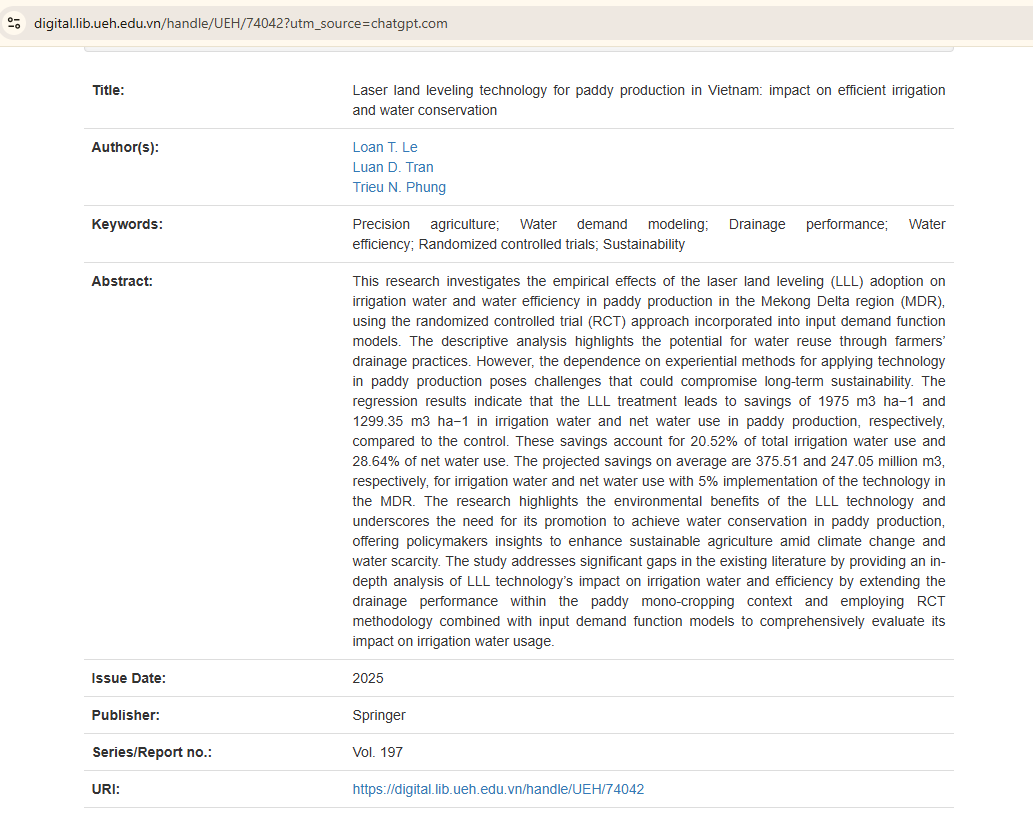
Study: “Laser land leveling technology for paddy production in Vietnam: impact on efficient irrigation and water conservation”
Public source: UEH Digital Repository, “Laser land leveling technology for paddy production in Vietnam: impact on efficient irrigation and water conservation”, 2025
b) Surveying farmers on the transition to organic rice cultivation to promote sustainable agricultural land use
In 2025, Ho Huu Phuong Chi and co-authors studied the factors influencing farmers’ decisions to shift to organic rice farming in the Mekong Delta. Published in 2025 in the journal Environment, Development and Sustainability, the study used a discrete choice experiment, field research, and quantitative analysis of survey data from 160 farming households in the region.
The research found that farmers faced limitations in their knowledge and technical skills concerning organic cultivation and needed professional advice, market information, and cooperative mechanisms. The authors also emphasized the importance of structured training, technical guidance, and knowledge-sharing programmes to help farmers choose appropriate farming methods. Accordingly, the study provided a scientific basis for community education on sustainable farming, responsible agricultural land management, and the transition to organic rice production in the Mekong Delta.
These findings contributed scientific and practical evidence for disseminating farmland management solutions, guiding applications of precision agriculture, and raising community awareness of sustainable land and water resource use in rice production. They also provided a foundation for UEH to develop educational, advisory, and knowledge-transfer activities for farmers, cooperatives, and local communities on sustainable agricultural land management and use.
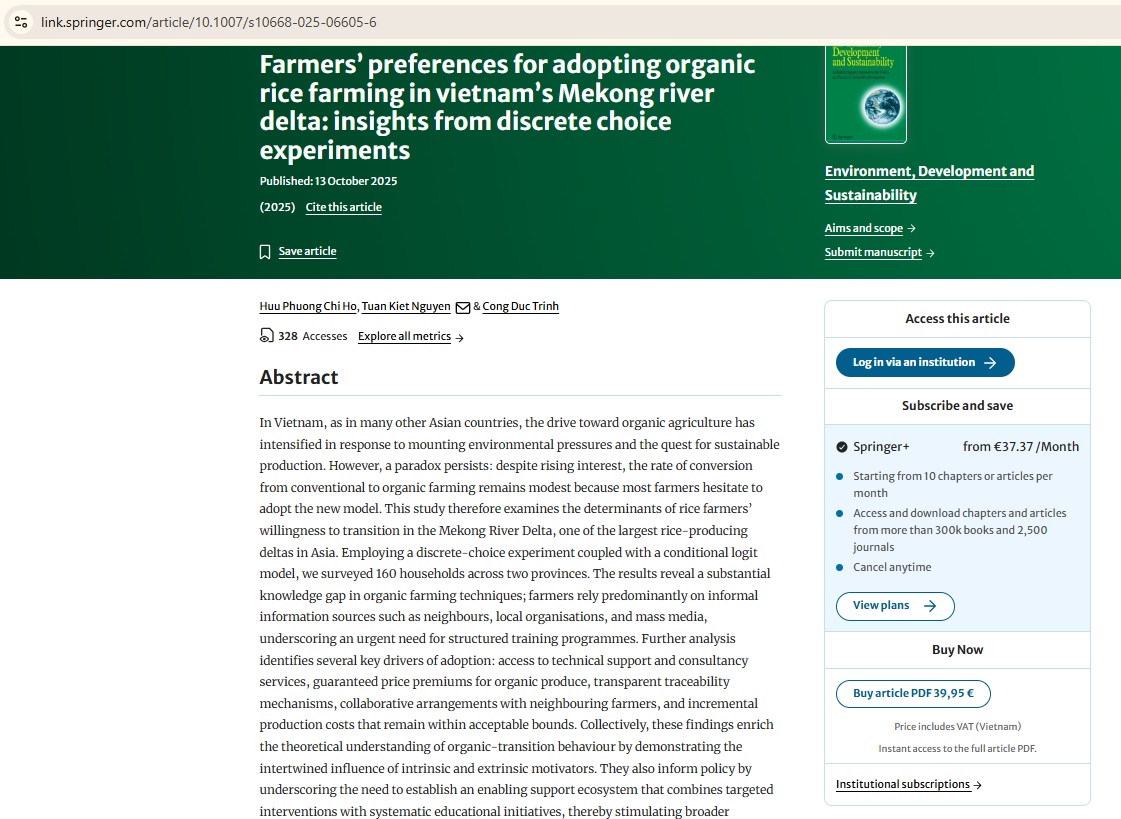
Study: “Farmers’ preferences for adopting organic rice farming in Vietnam’s Mekong river delta: insights from discrete choice experiments”
4. Evidence of programmes and events implemented in 2025
| STT | Programme/
Project |
Format/
Category |
Description | Public source |
| 1 | National Scientific Conference “Land Resources and Sustainable Development: A Multidisciplinary Approach” | Free activity; Forum for sharing knowledge, research, and policies on land management, conservation, and sustainable land resource development | On 14 June 2025, UEH’s College of Economics, Law and Government (CELG) collaborated with Dalat University to organize the national scientific conference “Land Resources and Sustainable Development: A Multidisciplinary Approach”. More than 60 delegates from government agencies, research institutes, educational institutions, and legal professional organizations attended. The conference featured seven topics: (1) Land-use planning in relation to sustainable development; (2) Realizing the value of land-use rights and real estate business; (3) Land resources, environmental protection, and sustainable development; (4) Conservation and sustainable development of land resources; (5) Sustainable tourism development and land use; (6) State management and handling land violations; and (7) Allocation and recovery of land-use rights and compensation issues. At each session, experts presented research with practical applications and proposed concrete policies addressing urgent needs arising from urbanization, climate change, and local development.
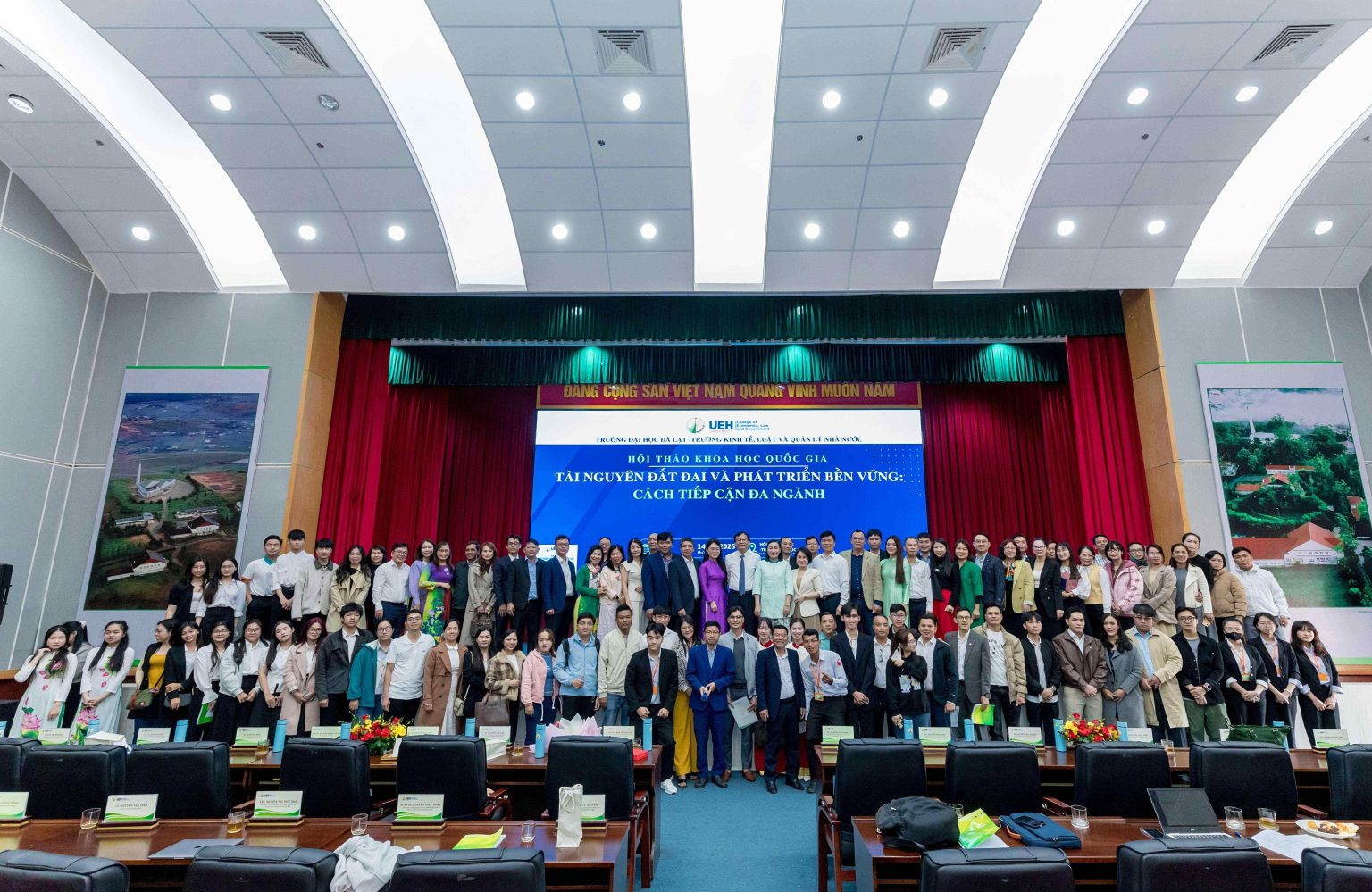
Experts, researchers, and members of local communities attending the conference 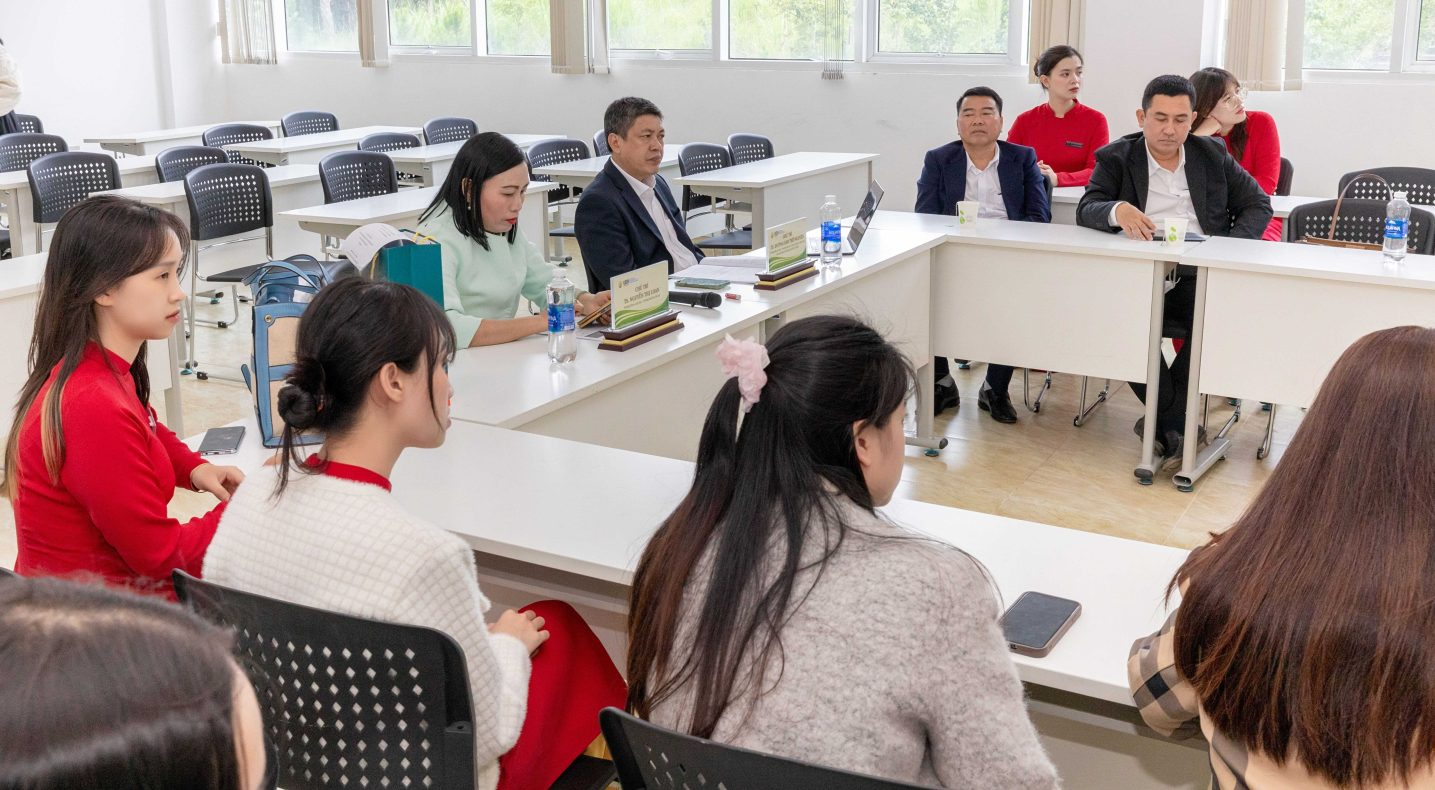
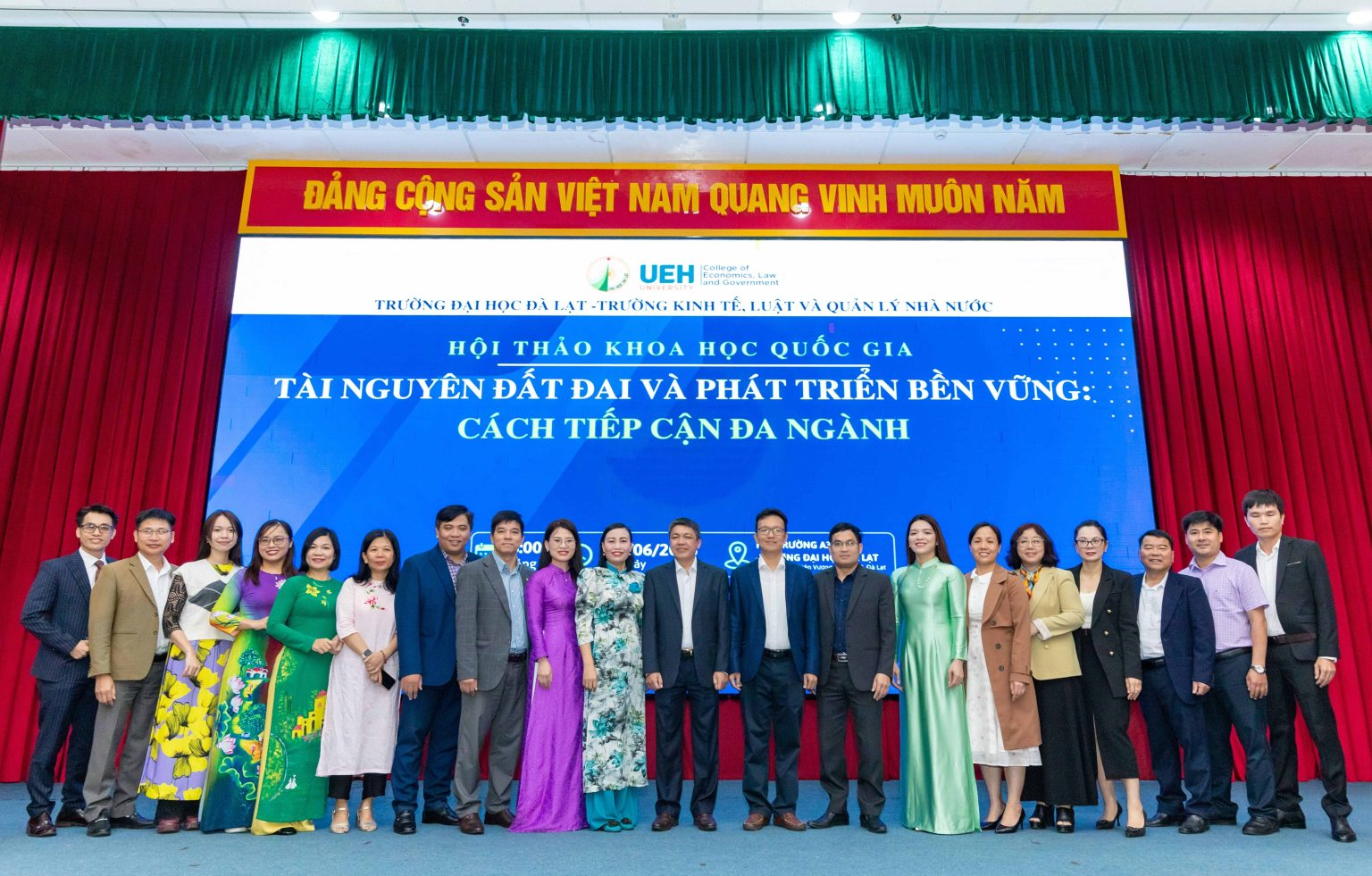
Conference sessions presenting scientific research and proposed solutions for local authorities |
UEH CELG Website, “National Scientific Conference ‘Land Resources and Sustainable Development: A Multidisciplinary Approach’ — A Successful Interdisciplinary Collaboration for Sustainable Development”, 17 June 2025 |
| 2 | NCTD 2025 National Scientific Conference – “Digital Transformation: Challenges and Opportunities in the Mekong Delta”, focusing on smart agriculture and sustainable rural development | Free activity; Scientific conference sharing technological solutions and local experiences | On 31 October 2025, UEH organized a session of the NCTD 2025 National Conference at UEH Mekong. The conference brought together more than 200 delegates and received over 58 papers, including 13 submissions from provincial departments in the Mekong Delta. One presentation, “Application of High Technology in Smart Agricultural Production: A Case Study of Vinh Long Province”, delivered by a representative of the Vinh Long Department of Agriculture and Environment, discussed the achievements and challenges of applying advanced technology in agriculture, climate change adaptation, and saline intrusion management. The event facilitated knowledge exchange among the university, government agencies, and experts, with the aim of advancing smart agriculture and developing an agricultural ecosystem that is sustainable, climate-resilient, and connected to urban areas and digital communities.
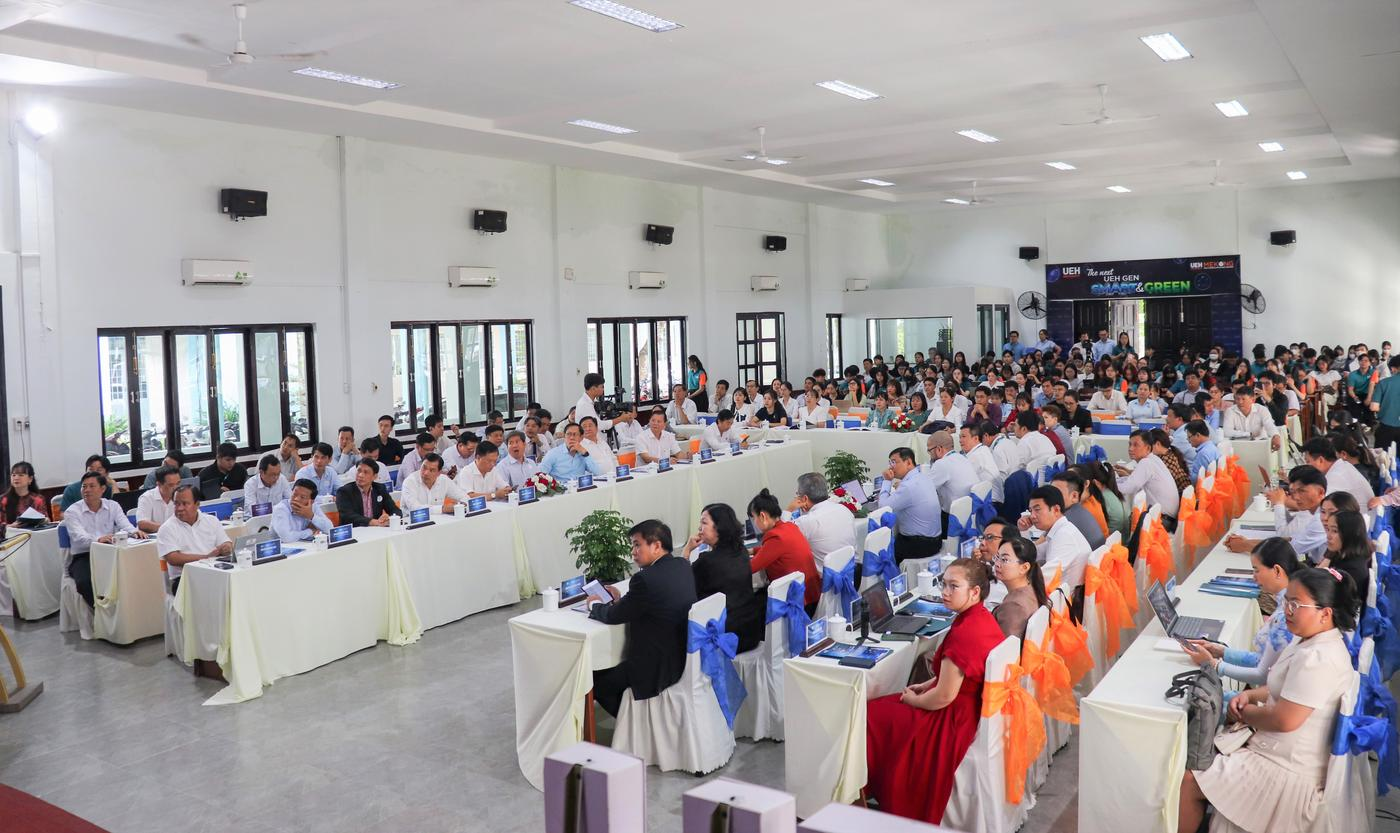
Overview of the conference 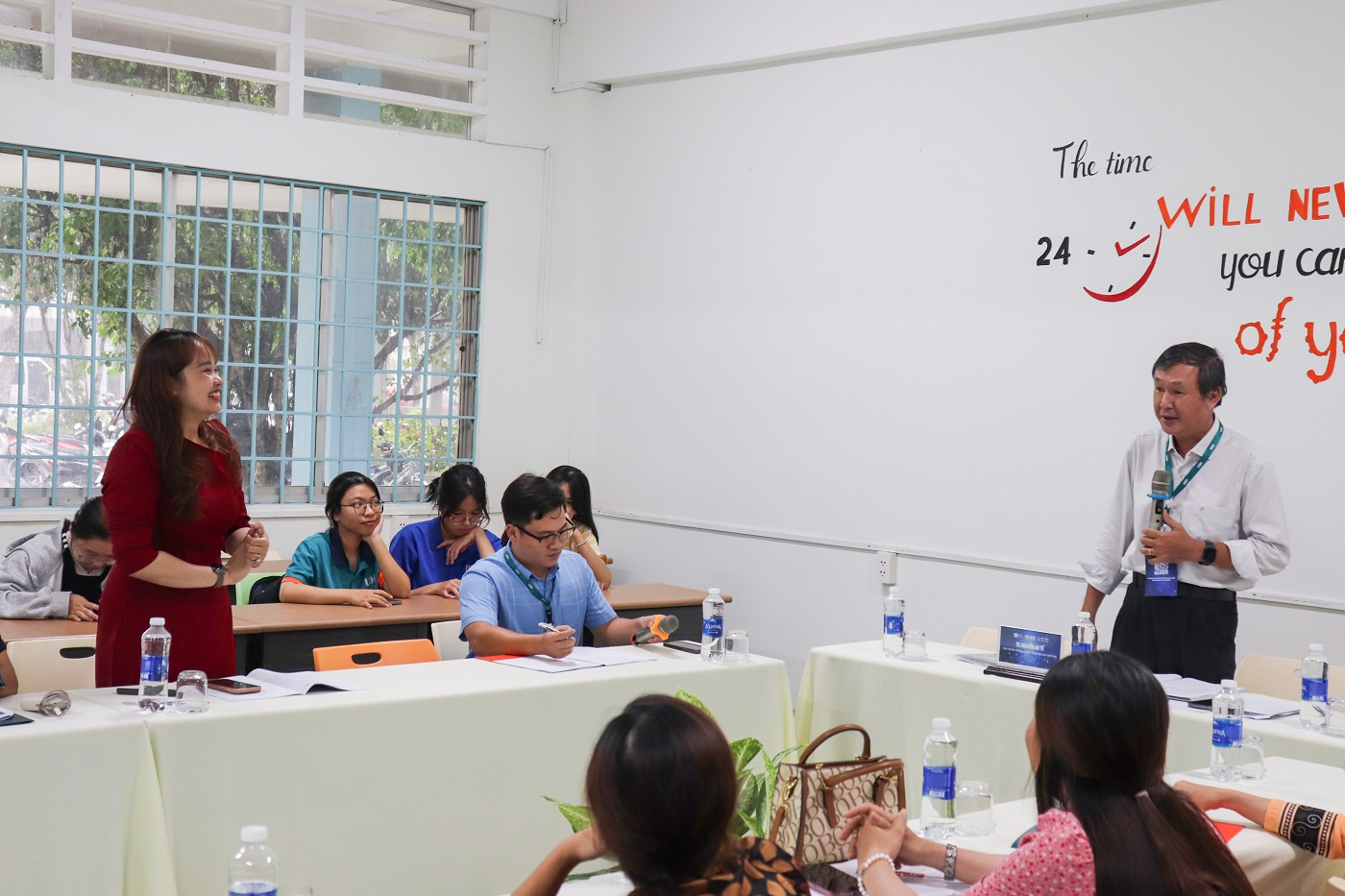
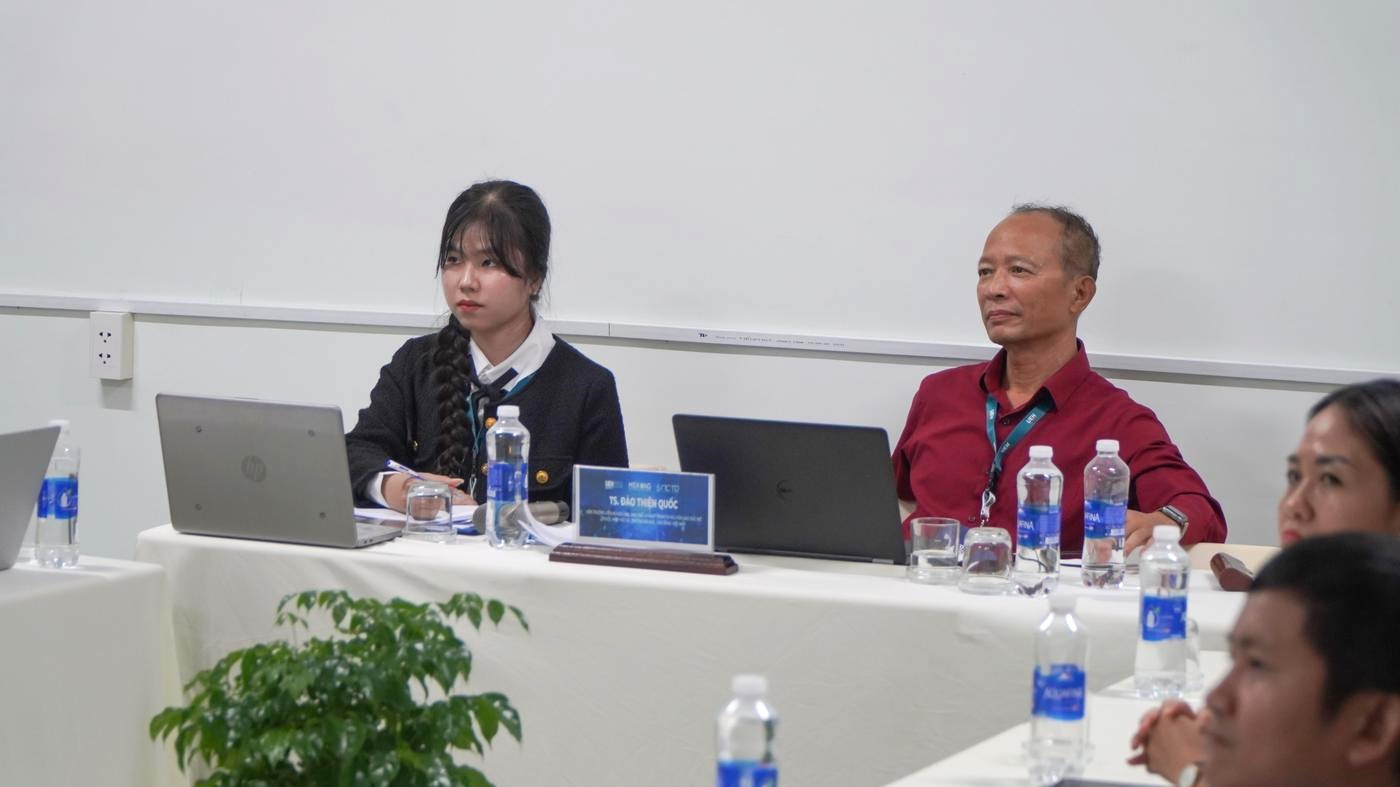
Scientific sessions at the conference |
UEH Mekong Website, “2025 National Conference on Technology and Design (NCTD 2025) — Special Session at UEH Mekong: ‘Digital Transformation: Challenges and Opportunities in the Mekong Delta’”, 1 November 2025 |
| 3 | Scientific Conference “Agricultural Trade and Sustainable Development” – Promoting transparent and responsible agricultural supply chains | Free activity; Workshop discussing policy, research, and agricultural value chains | On 15 May 2025, UEH organized the international scientific conference “Agricultural Trade and Sustainable Development: Lessons and Solutions for a More Sustainable Mekong” at UEH Mekong, within the European Union-funded TRADE4SD project, with more than 120 delegates. The conference brought together experts and local communities to examine sustainable agricultural value chains, emphasizing responsible production standards and land use as well as links between businesses and farmers. Through academic exchange and practical experience, the event shared knowledge about sustainable agricultural supply and raised awareness among local residents and farmers of responsible land resource use.
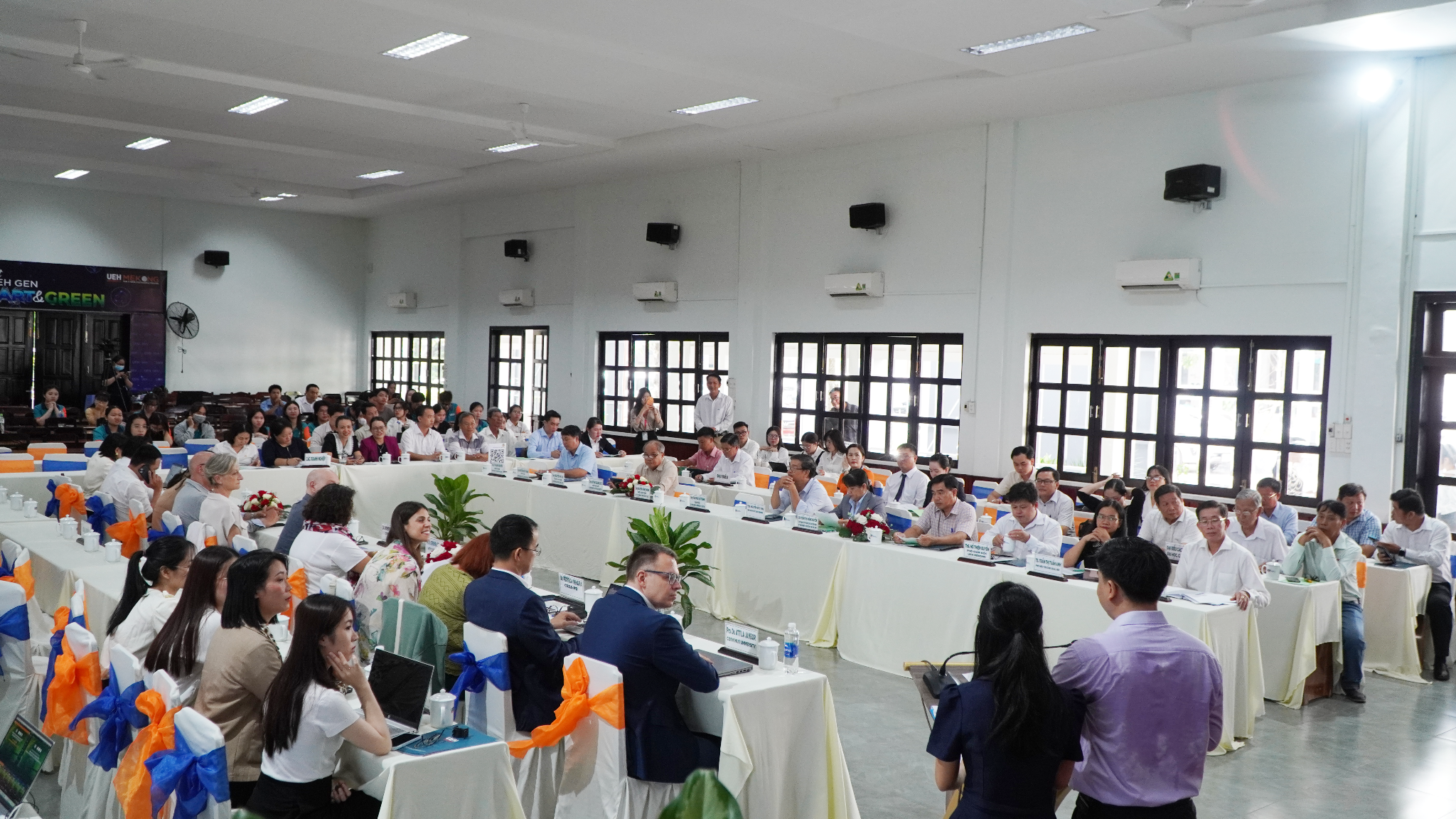
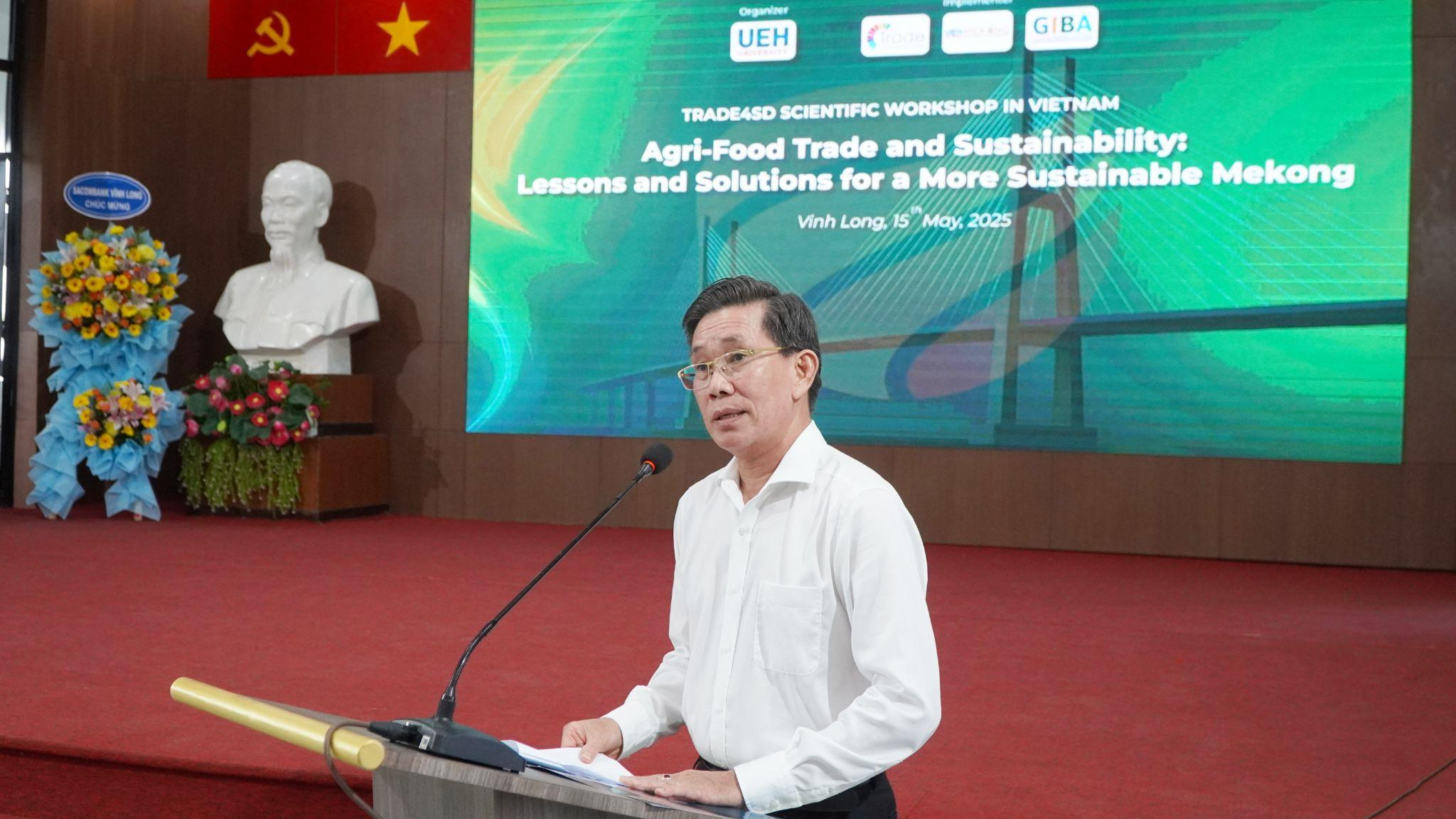
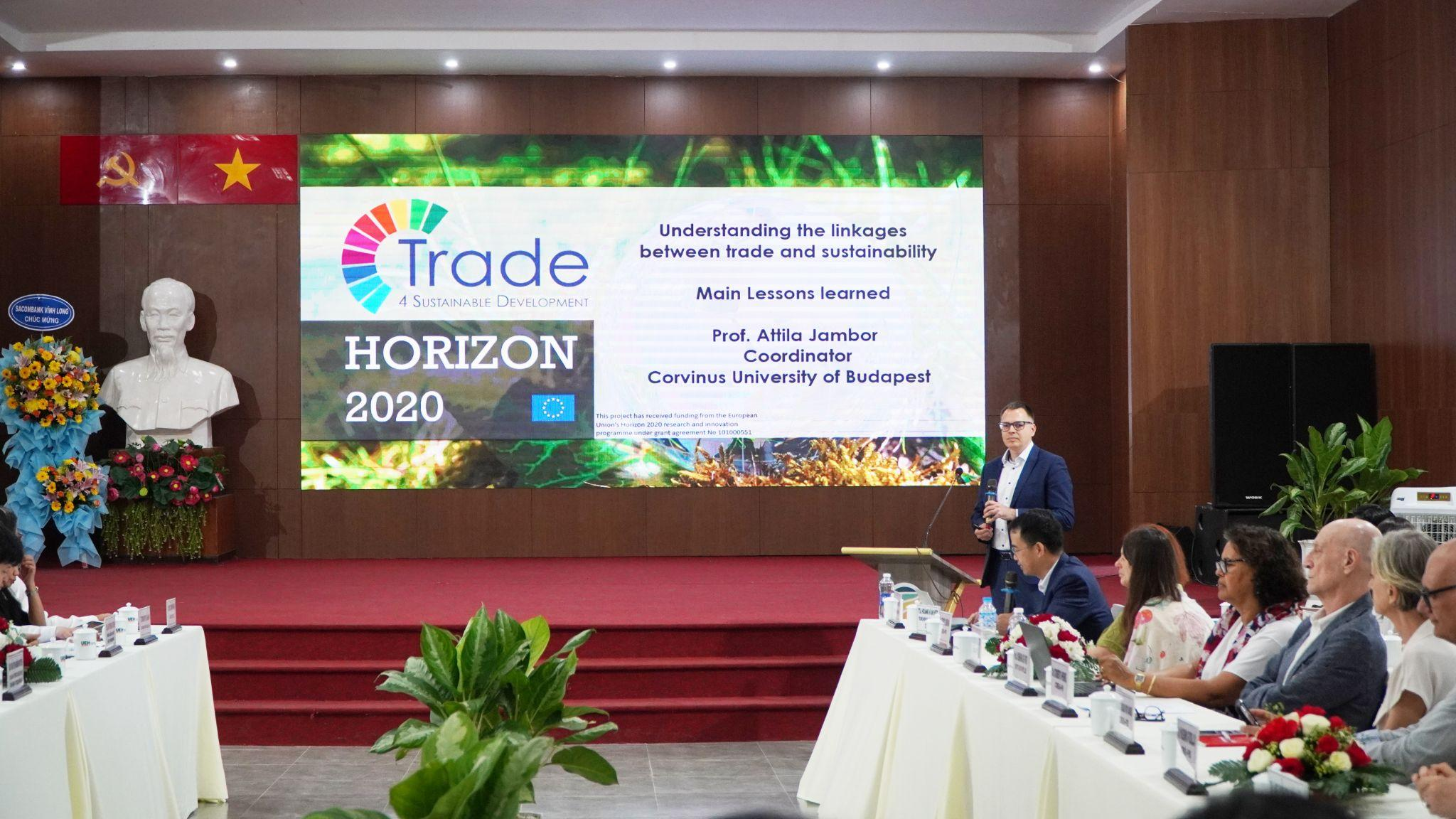
Overview of the conference 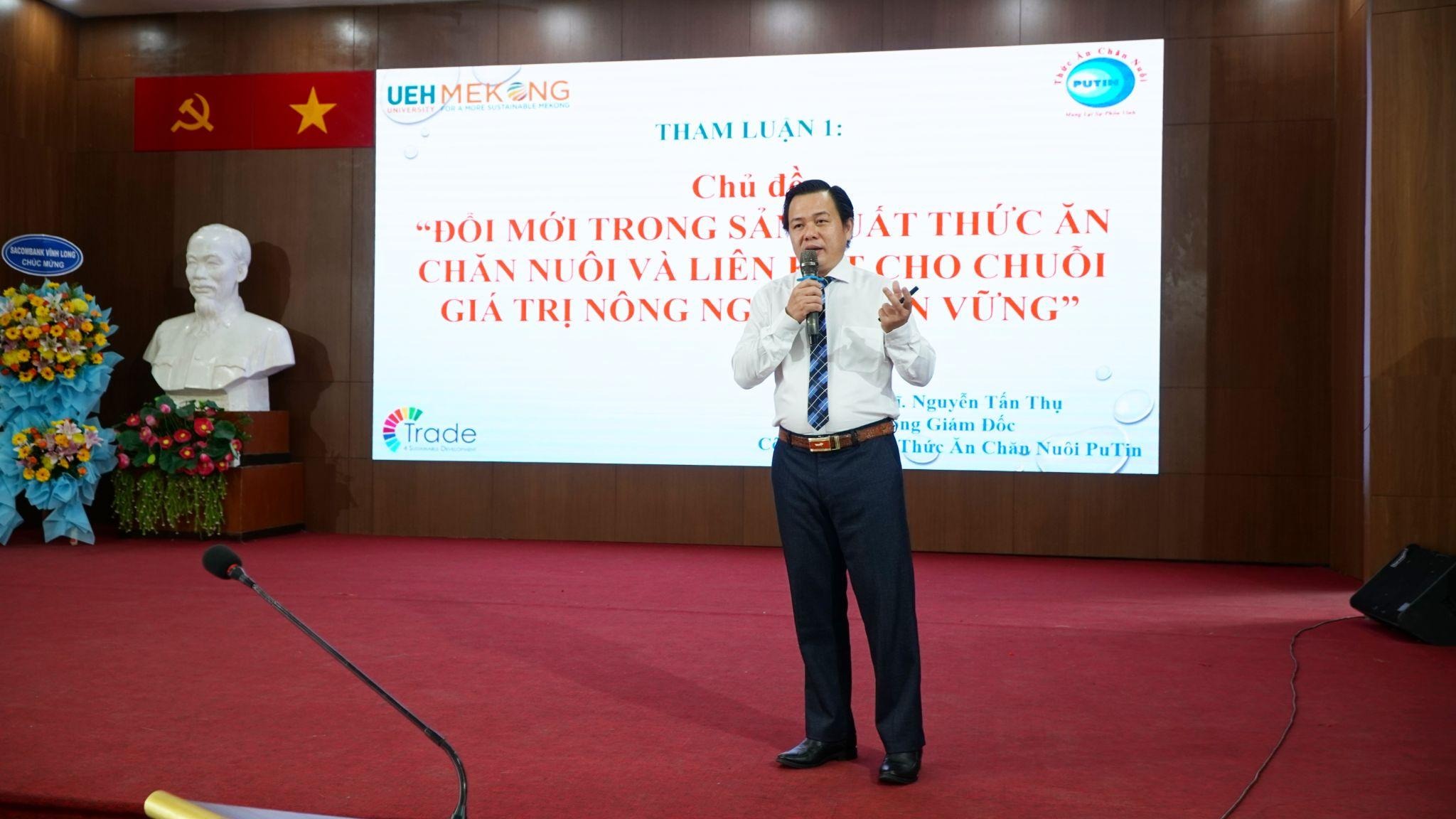
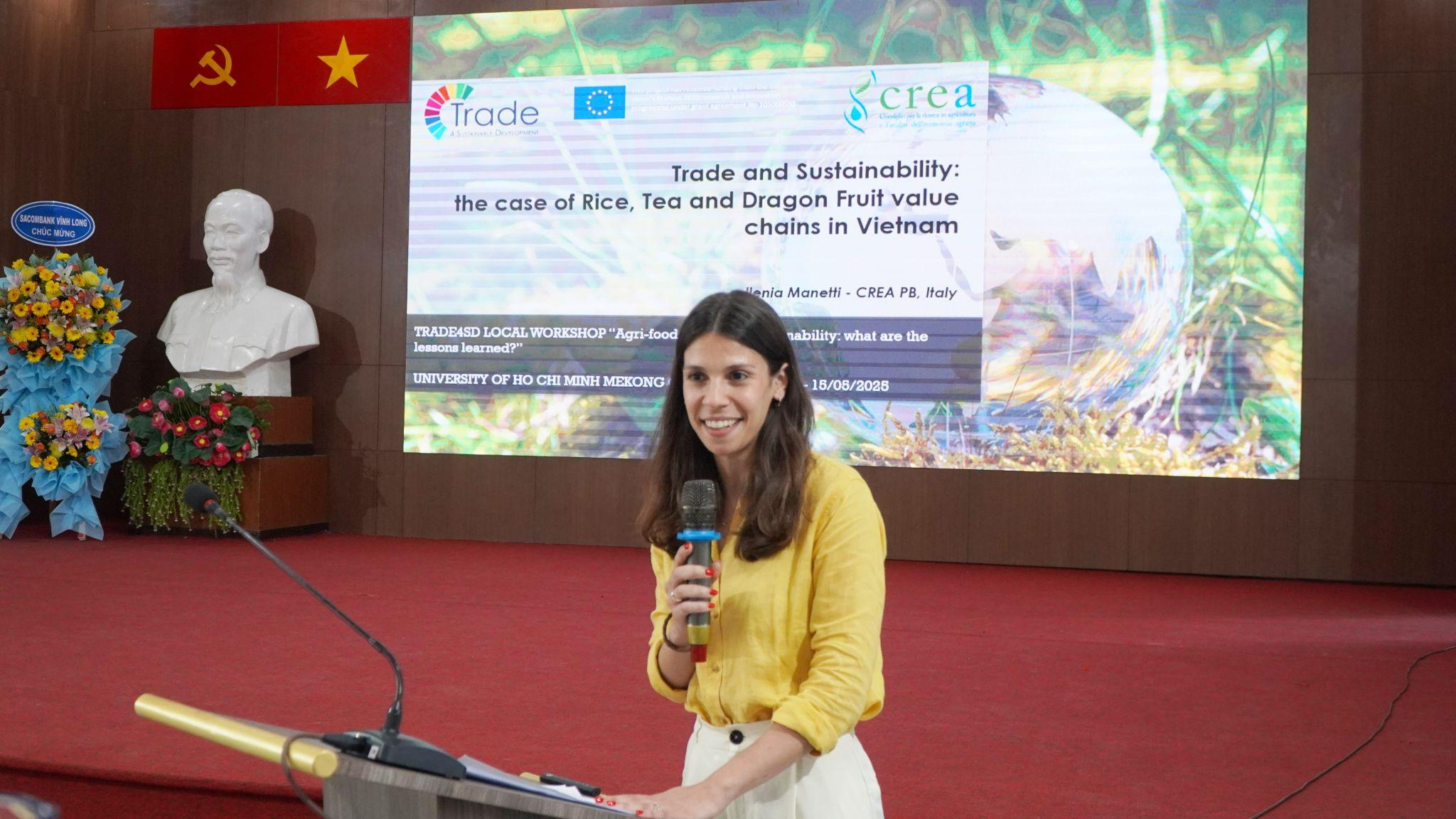
Speakers presenting on Vietnam’s agricultural value chains and sustainable land resource use 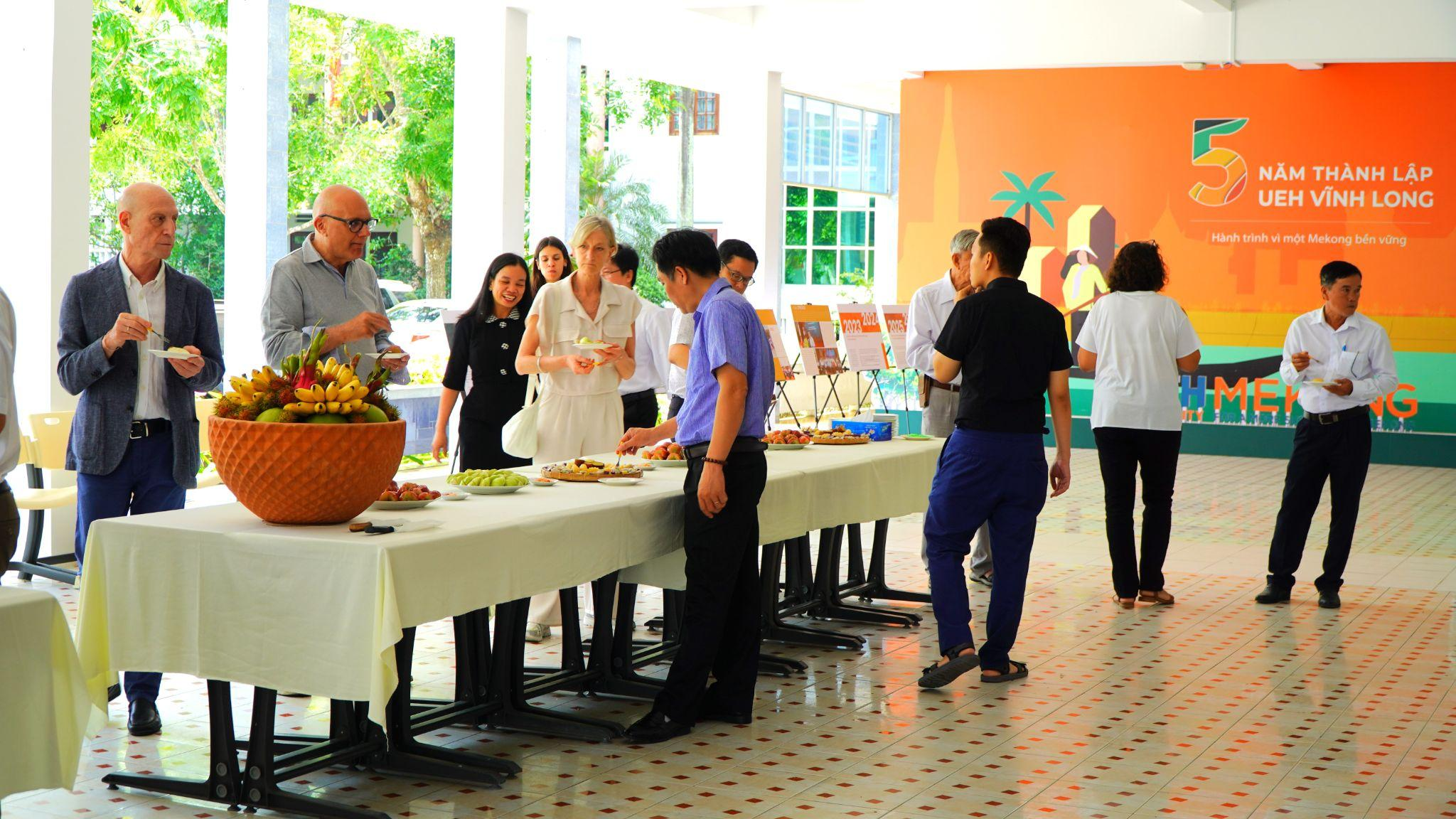
Delegates exploring and learning about the origins of agricultural products |
UEH Portal, “UEH Organizes Scientific Conference on ‘Agricultural Trade and Sustainable Development: Lessons and Solutions for a More Sustainable Mekong’”, 16 May 2025 |
| 4 | HAPRI – Connecting Knowledge and Practice for Sustainable Agriculture and Food Security | Free activity; Applied research; International collaboration supporting knowledge transfer | In 2025, the Health and Agricultural Policy Research Institute (HAPRI) implemented Intervention Package 8 (IP8) in collaboration with CIAT of the Alliance of Bioversity International, focusing on research and applications of sustainable agricultural solutions, added value from green agricultural products, and market mechanisms that encourage sustainable farming, including regenerative agriculture. HAPRI also continued to host seminars connecting researchers and experts. These activities helped strengthen the knowledge base for agricultural ecosystems and sustainable agricultural land use.
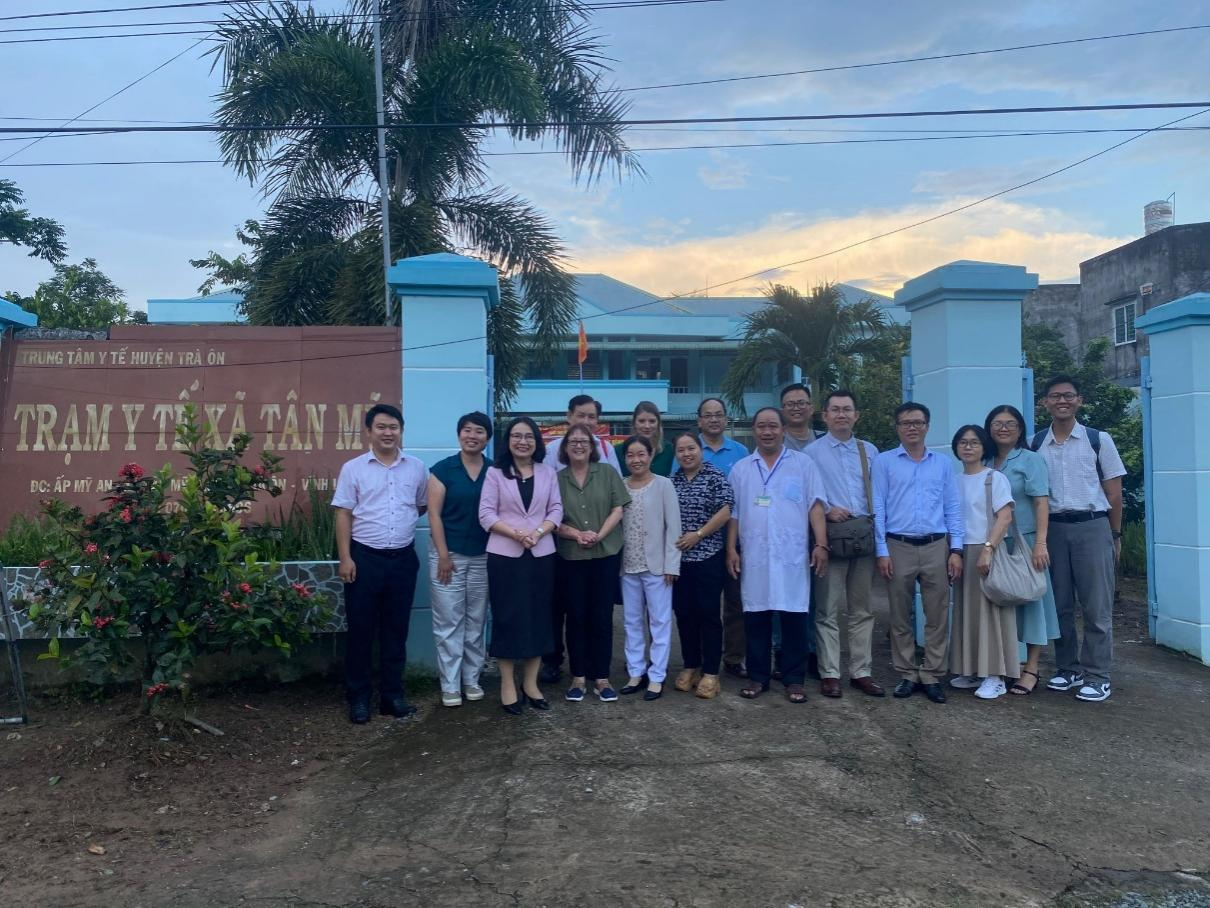
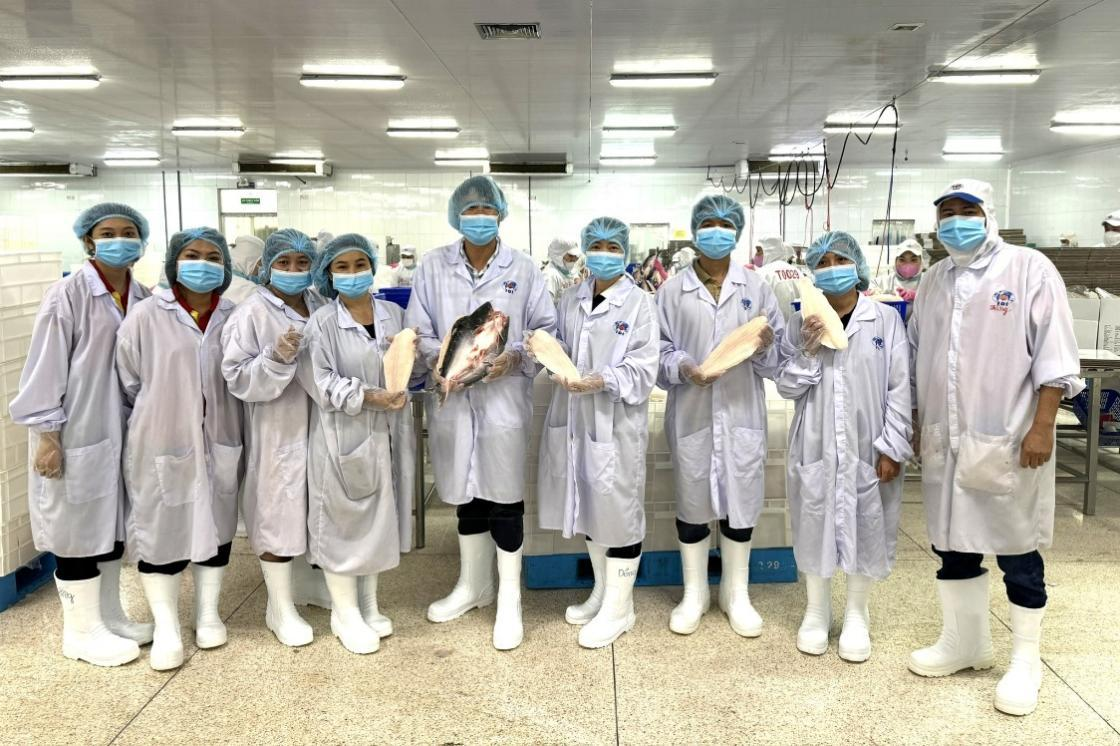
Training and professional knowledge-exchange activities co-organized by HAPRI with local communities |
UEH Portal, “HAPRI – Connecting Knowledge and Practice for Sustainable Agriculture and Food Security”, 30 January 2026 (review of 2025 activities) |
| 5 | Talkshow “Going Global with Green Startups” – Promoting organic and sustainable agricultural production models | Free activity; Talkshow sharing experiences among cooperatives, agricultural enterprises, and local communities | On the afternoon of 21 October 2025, UEH Mekong collaborated with the Vinh Long Provincial Business Association and the High-Quality Vietnamese Goods Business Association to organize a talkshow at Hall A, UEH Mekong. Participants included representatives of provincial departments, the Young Entrepreneurs Association, and local businesses. Speakers represented Tan Dat Agricultural Production and Service Cooperative (organic rice), Sau Ri Co., Ltd. (Vietnamese-bred durian varieties), Sok Farm (coconut nectar products exported to Japan, Australia, the United States, and the EU), and Vfarm (medicinal plant products). They shared experiences of transitioning to organic production, developing raw-material growing areas, and building green agricultural value chains. The programme helped disseminate sustainable farming practices, reduce impacts on land resources, and increase the value of local agricultural products.
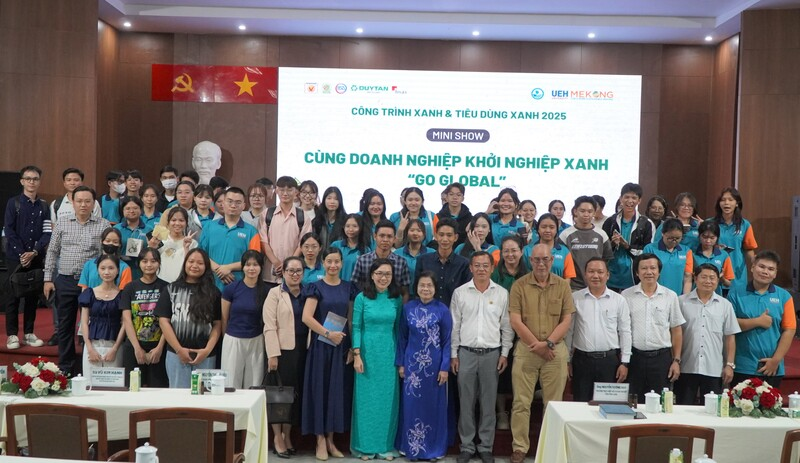
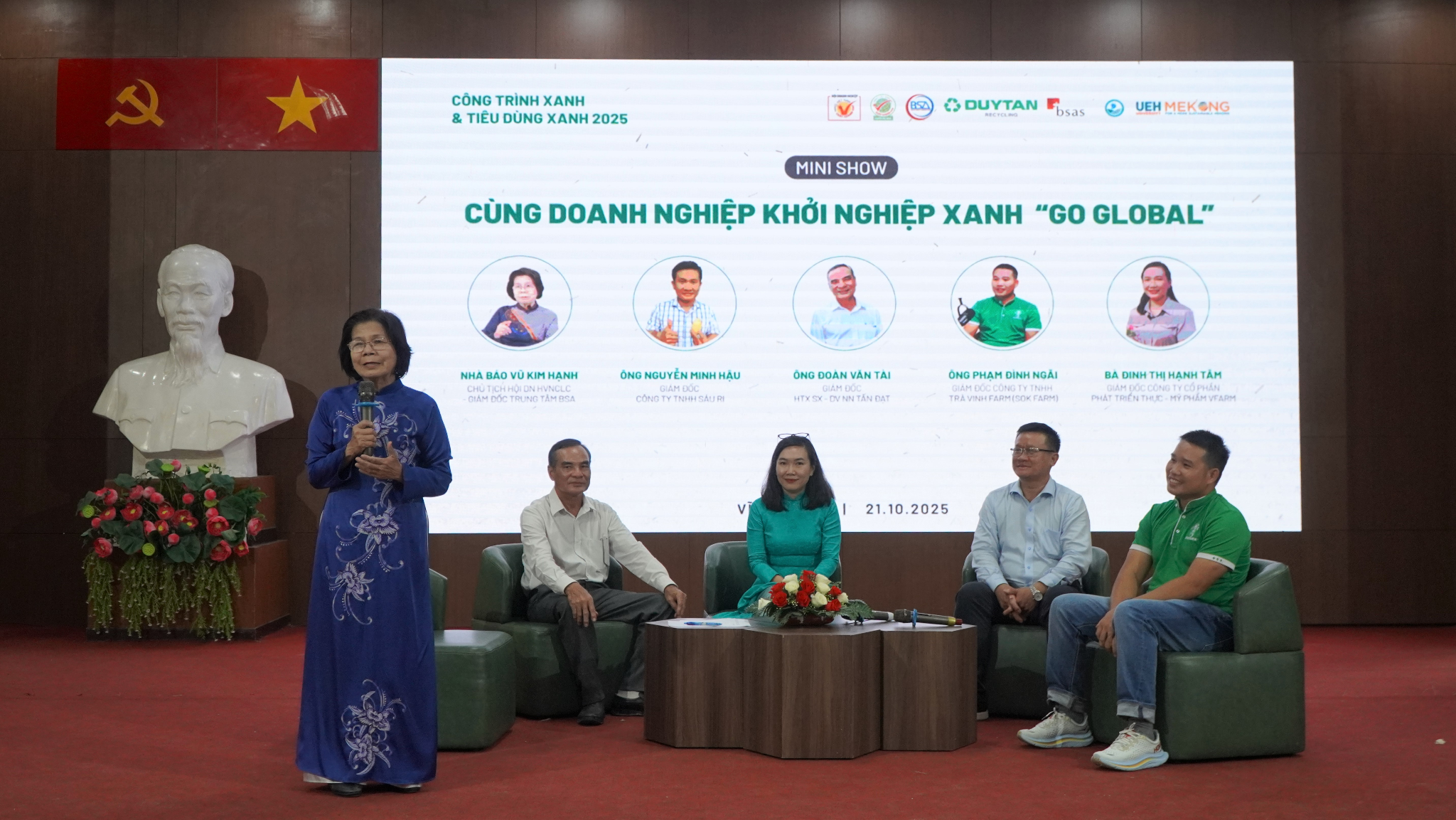
Journalist Vu Kim Hanh, President of the High-Quality Vietnamese Goods Business Association, and other speakers sharing insights at the talkshow |
UEH Mekong Website, “UEH Mekong Collaborates with the Vinh Long Provincial Business Association and the High-Quality Vietnamese Goods Business Association to Organize the 2025 ‘Going Global with Green Startups’ Talkshow”, 23 October 2025 |
| 6 | UEH Mekong Agribusiness Degree Programme – Developing Human Resources and Sustainable Agricultural Value Chains | Paid activity; Degree programme for agribusiness students, with business and cooperative partners | In 2025, UEH Mekong continued delivering an interdisciplinary programme combining economics, management, and agricultural technology. Students studied production, technology, and sustainable agricultural value chains. The programme also engaged with more than 500 partners, cooperatives, and businesses through industry-based semesters, field visits, seminars, and scientific research. These activities contributed to developing human resources, particularly local talent, equipped with knowledge of agricultural land management and sustainable farming. Graduates may also pursue careers with non-governmental organizations and rural development projects as project officers, researchers, or farmer trainers.
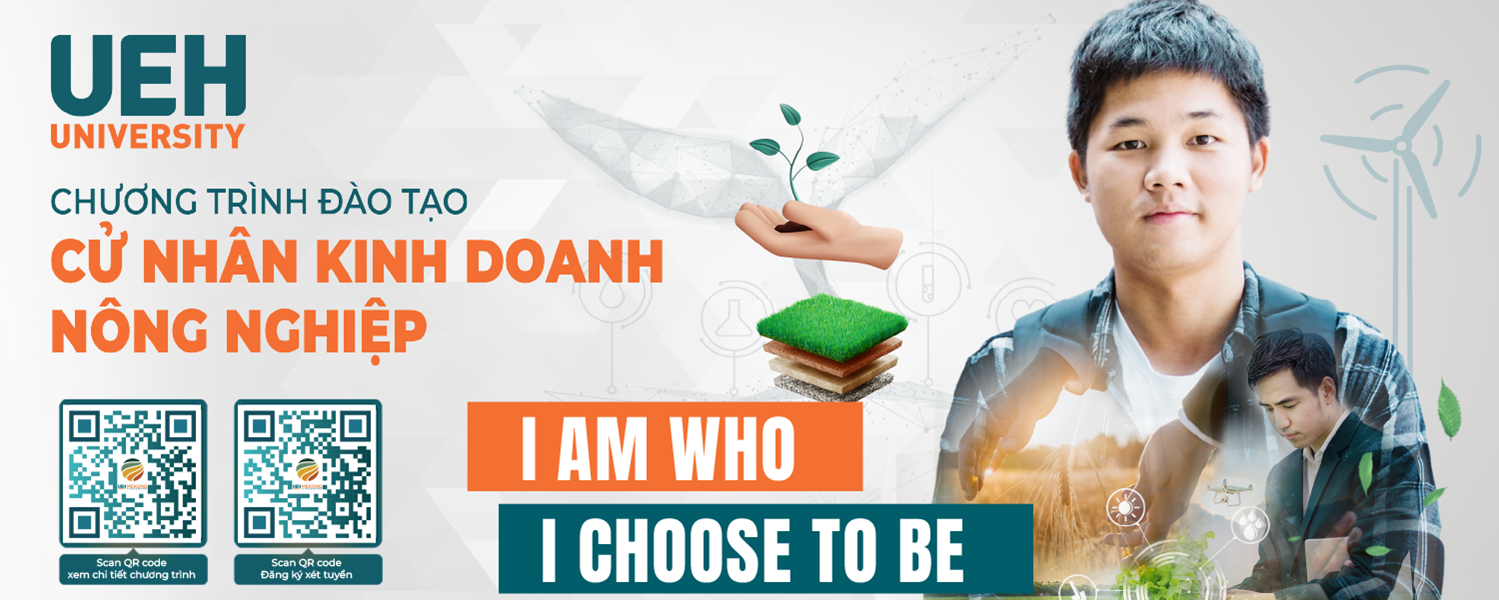
Agribusiness degree programme at UEH Mekong |
UEH Portal, “UEH Mekong Agribusiness Degree Programme: Developing High-Quality Human Resources for International Integration and Sustainable Value Chains”, 8 September 2025 |
5. Conclusion
In 2025, UEH continued to strengthen its role in connecting knowledge, research, and practice to promote sustainable land resource management and use and climate-resilient agriculture. Through activities such as the National Scientific Conference on Land Resources and Sustainable Development, professional exchanges on smart agriculture at UEH Mekong, and applied research by the Health and Agricultural Policy Research Institute (HAPRI), UEH helped disseminate knowledge, encourage the application of science and technology, and strengthen links between research and the practical challenges of local agricultural production.
Building on the foundation established in 2024, UEH’s activities in 2025 further expanded cooperation among the university, government agencies, research organizations, businesses, and other stakeholders in the Mekong Delta. This provided an important basis for UEH to continue developing educational programmes, knowledge sharing, and solution transfer on sustainable agricultural land management for communities, with the aim of improving resource-use efficiency, protecting terrestrial ecosystems, and contributing to climate-resilient and sustainable agriculture over the long term.