

15.2.3 – Maintain and extend current ecosystems’ biodiversity
The University of Economics Ho Chi Minh City (UEH) integrates local biodiversity considerations into its campus planning, design and infrastructure development. Priority is given to protecting existing trees and native vegetation and applying green infrastructure solutions adapted to local ecological conditions. In 2025, this approach continued through UEH development projects, including the transformation of the Vo Thi Sau campus into smART Hub, the development of UEH Nexus Campus in Nha Trang, and wildlife awareness activities. These efforts incorporated ecological landscaping, rain gardens, planting areas, native plant conservation and nature-based stormwater management.
1. Policies and planning directions integrating local biodiversity
Since 2022, UEH has established a framework for environmental governance through the Green Campus Regulations under Decision No. 2059/QD-DHKT-CSVC. In particular, Article 5, Clause 6 provides for the protection and care of trees on UEH campuses. This forms the basis for UEH’s continued protection of landscapes and existing trees and its development of green spaces in campus management, renovation and infrastructure projects.
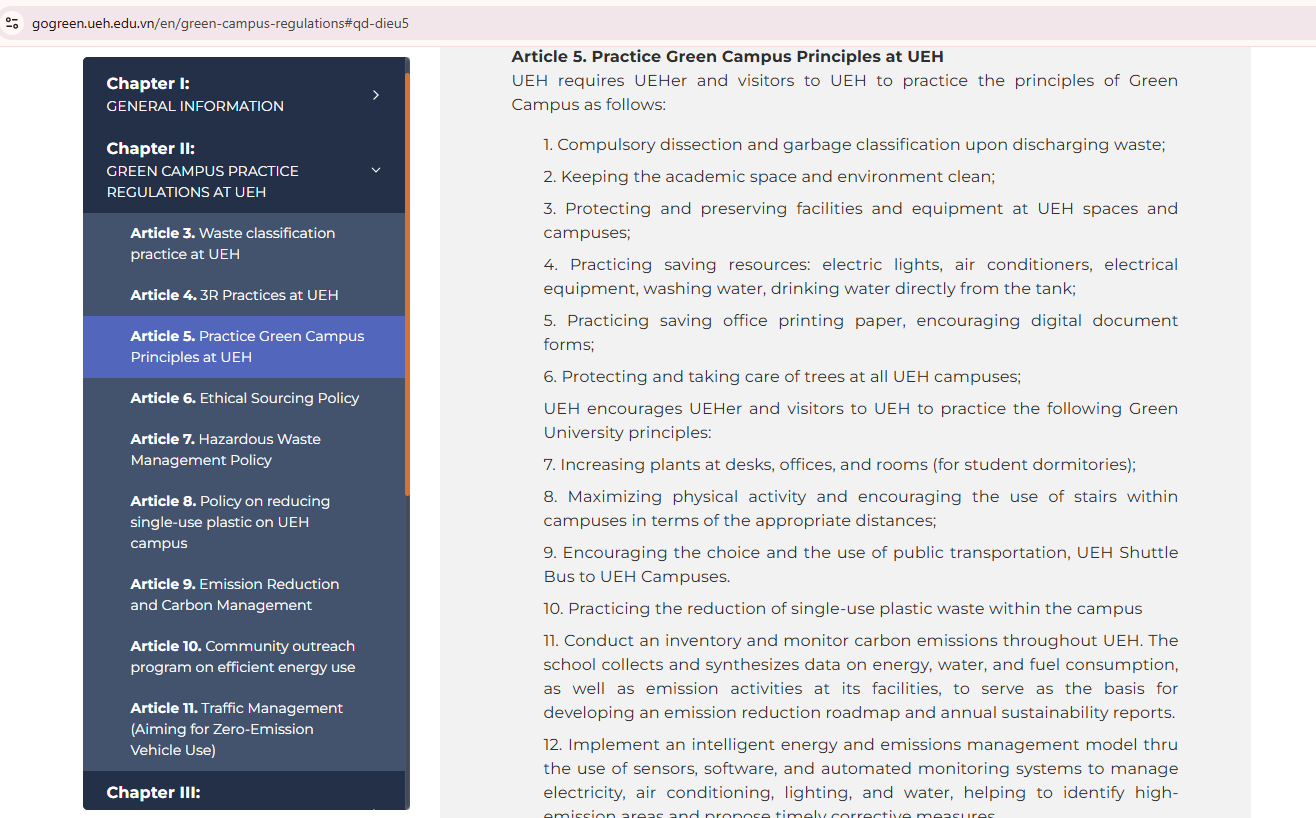
Article 5, Clause 6 of the UEH Green Campus Regulations under Decision No. 2059/QD-DHKT-CSVC provides for the care and protection of trees on campus.
Public source: UEH Green Campus Website, “Green Campus Regulations”
https://gogreen.ueh.edu.vn/en/green-campus-regulations
In 2025, UEH continued reviewing, updating and refining its Green Campus Regulations, progressively expanding the focus from protecting trees and landscapes to integrating local biodiversity into infrastructure planning, design and development. Specifically:
Article 13, Clause 14 – Pilot policy on incorporating local biodiversity into planning and new construction. Relevant units are required to consider ecosystem impacts, prioritize the conservation of existing trees and native species, and retain records in planning and design documentation.
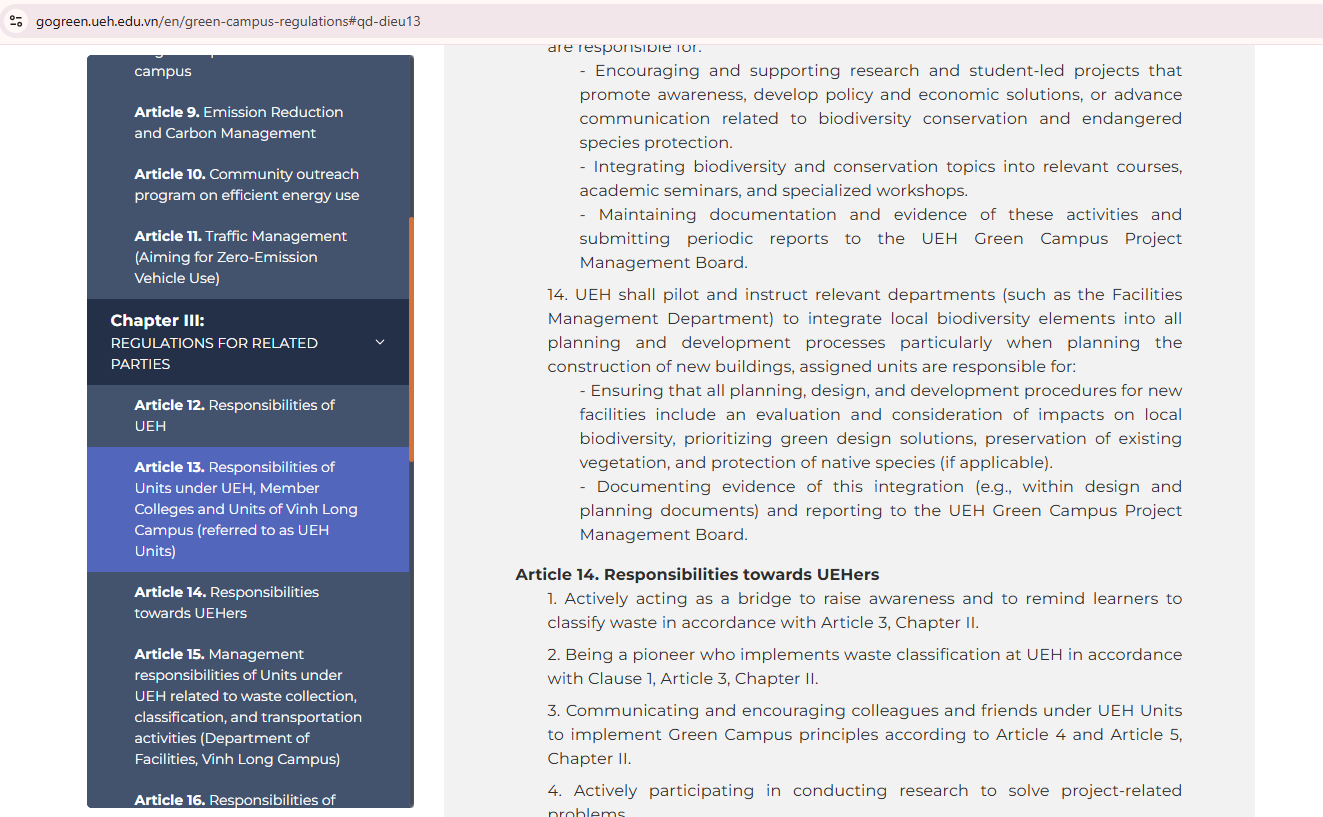
Article 13, Clause 14 of the UEH Green Campus Regulations under Decision No. 2059/QD-DHKT-CSVC requires biodiversity considerations to be integrated into planning and new construction at UEH campuses.
Public source: UEH Green Campus Website, “Green Campus Regulations”
https://gogreen.ueh.edu.vn/en/green-campus-regulations
Article 19, Clause 6 – Integration of ecological considerations and biodiversity conservation into planning and construction. This provision emphasizes green infrastructure solutions such as green roofs, green walls, rainwater harvesting systems and biological ponds, with preference given to native trees suited to local ecological conditions.
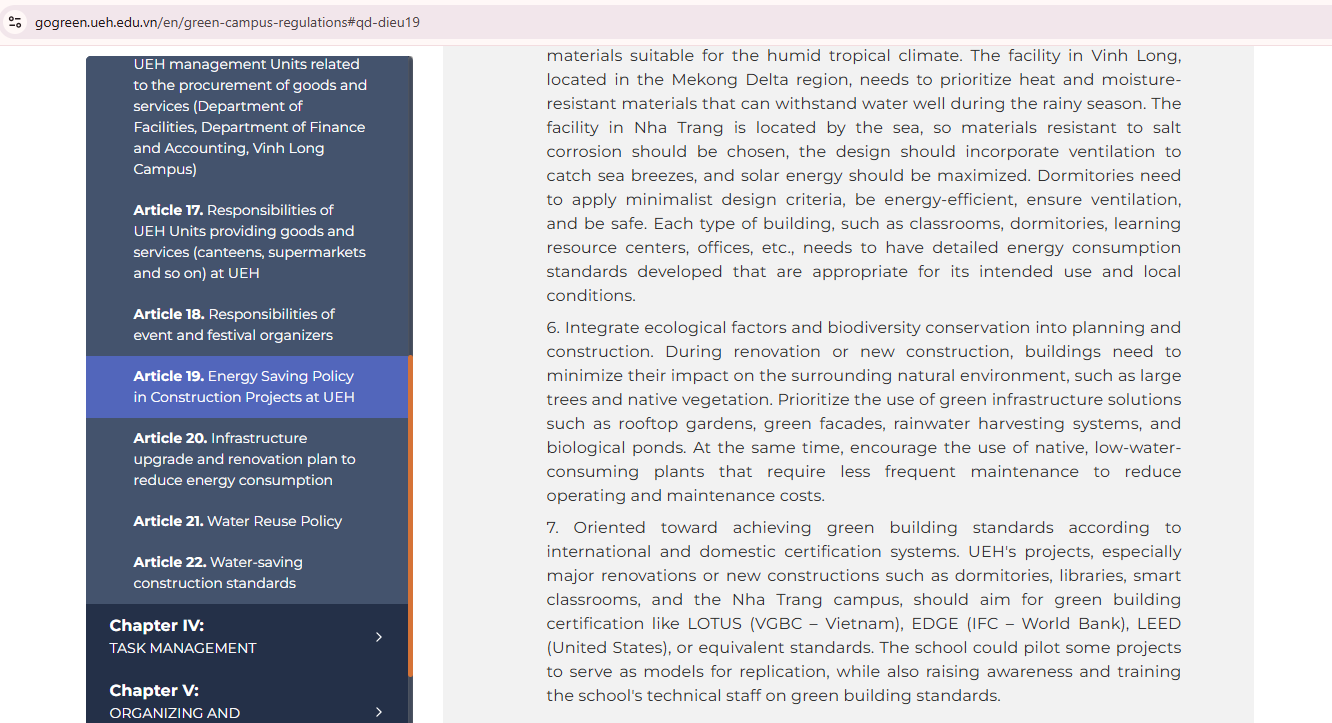
Article 19, Clause 6 of the UEH Green Campus Regulations under Decision No. 2059/QD-DHKT-CSVC requires ecological considerations and biodiversity conservation to be integrated into planning and construction.
Public source: UEH Green Campus Website, “Green Campus Regulations”
https://gogreen.ueh.edu.vn/en/green-campus-regulations
These reviewed and supplemented provisions reflect UEH’s commitment to maintaining and expanding its Green Campus governance framework, moving beyond the protection of green spaces to biodiversity considerations in infrastructure development. They provide a basis for treating biodiversity as an important factor in campus development and for combining construction with the conservation of local vegetation.
2. Integrating local biodiversity into planning and development
2.1. Transformation of the Vo Thi Sau campus into smART Hub
In 2025, UEH developed the smART Hub Living Labs project at its Vo Thi Sau campus to transform a conventional campus into a research and experimentation space for sustainable urban landscape solutions. The project focuses on vegetation development, habitat improvement and stronger connections between people and nature, providing a foundation for maintaining and enhancing campus biodiversity.
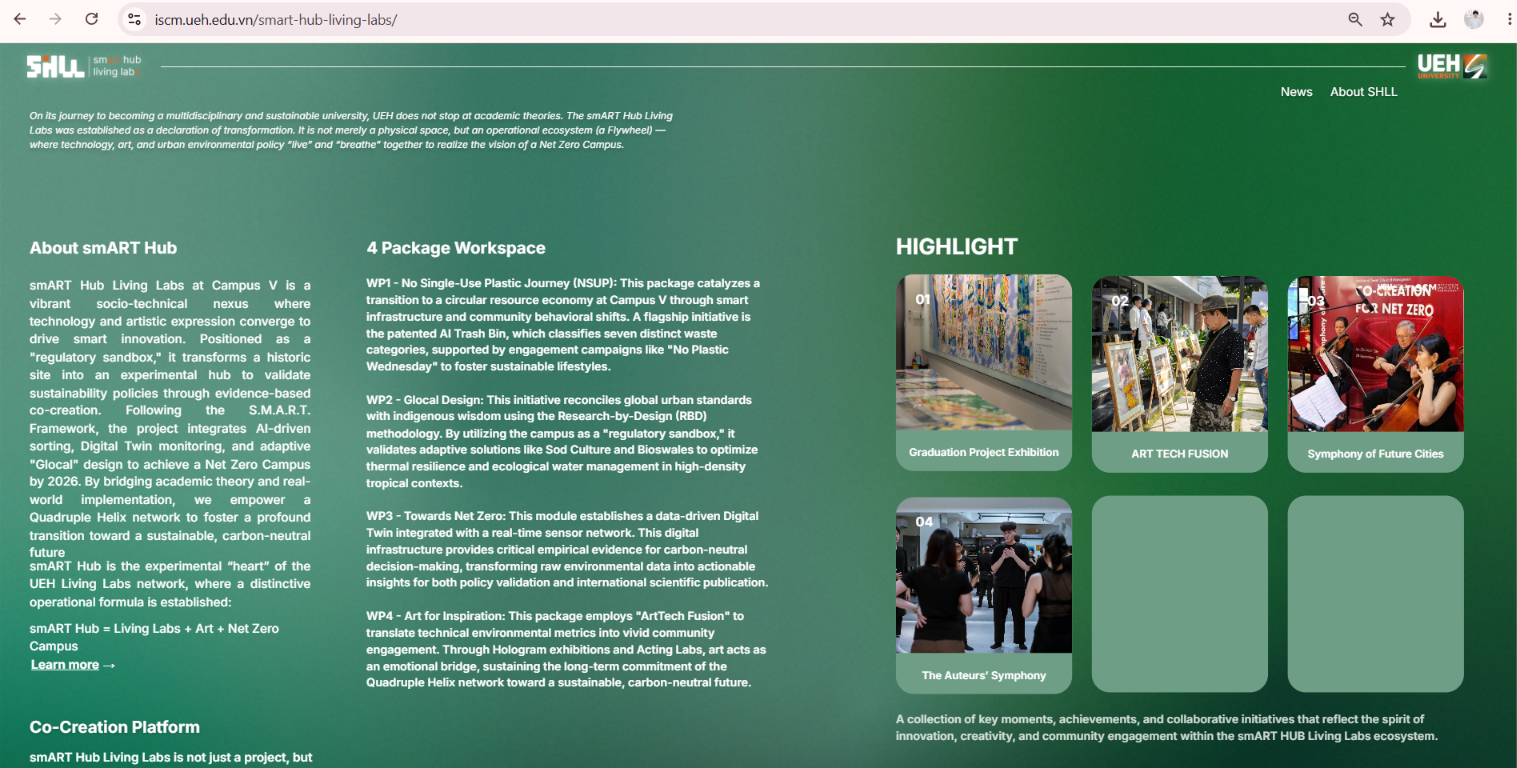
smART Hub Living Labs website presenting the planned transformation of the Vo Thi Sau campus
Public source: smART Hub Living Labs Website
https://iscm.ueh.edu.vn/smart-hub-living-labs/
Within the project, the Glocal Design component combines local knowledge with landscape design solutions adapted to the tropical climate. Using a Research-by-Design approach, UEH studies, tests and progressively refines methods for conserving local vegetation, diversifying planting layers, improving soil and water conditions, and creating habitats for organisms within the urban ecosystem.
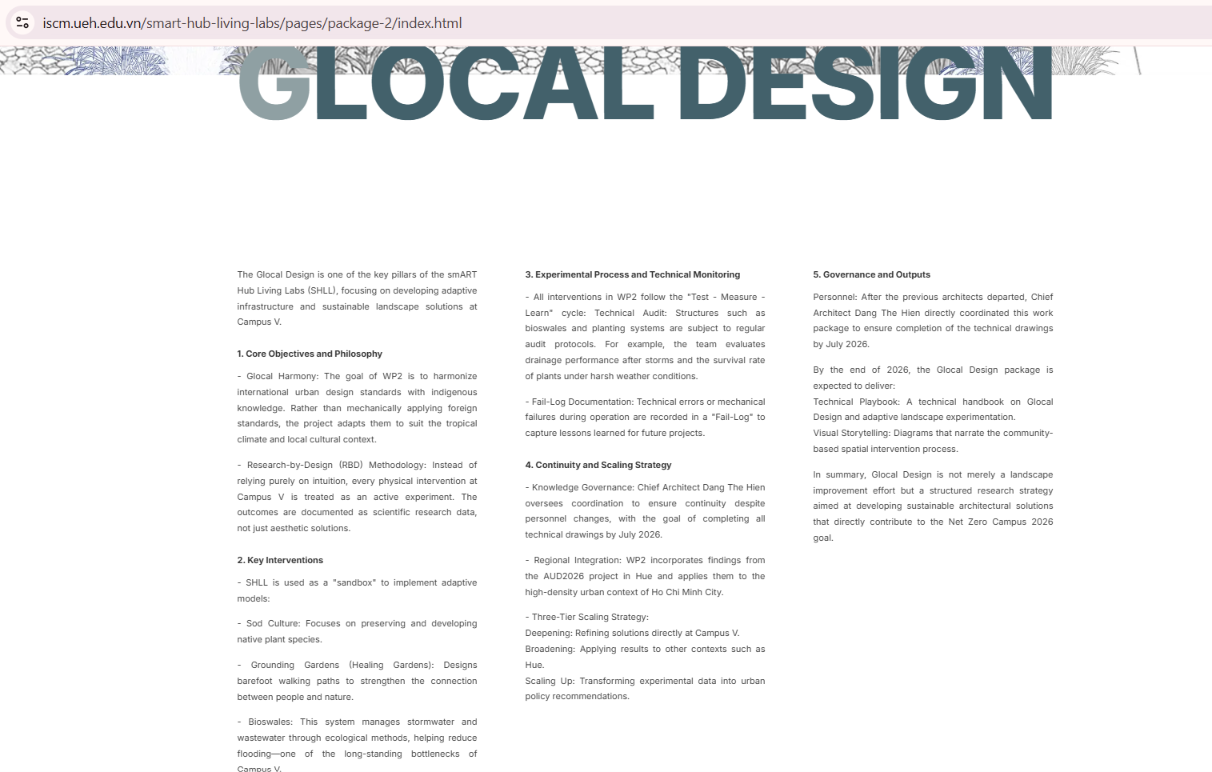
Glocal Design platform within the smART Hub Living Labs project
Public source: smART Hub Living Labs – “Package 2 – Glocal Design”
https://iscm.ueh.edu.vn/smart-hub-living-labs/
Specific solutions include:
Conserving native vegetation and supporting habitats – Sod Culture Testbed: This initiative focuses on conserving and cultivating native trees, naturally occurring plants and species adapted to local ecological conditions. Implemented at the Vo Thi Sau campus, the testbed enables students and lecturers to participate in plant care and research. It recognizes the ecological value of natural vegetation, which can support pollinating insects, microorganisms, birds and other organisms while stabilizing soil, enhancing infiltration and improving the microclimate.
Testing multi-layered vegetation – Strata Garden: The model develops vegetation in multiple layers, including groundcovers, herbaceous plants, shrubs and small trees. Plants of different heights and growth characteristics establish a layered green structure that reflects selected features of tropical vegetation. Climbing plants and hanging ferns further diversify the structure. This approach aims to increase spatial planting diversity, improve vegetation cover, shade and microclimate conditions, and provide additional habitat opportunities within the campus.
Other solutions supporting the maintenance and development of ecological spaces include:
Expanding rooftop vegetation – Green Roof: Proposed green roofs at the entrance and other suitable areas would increase planting space and vegetation cover while helping mitigate heat impacts on campus.
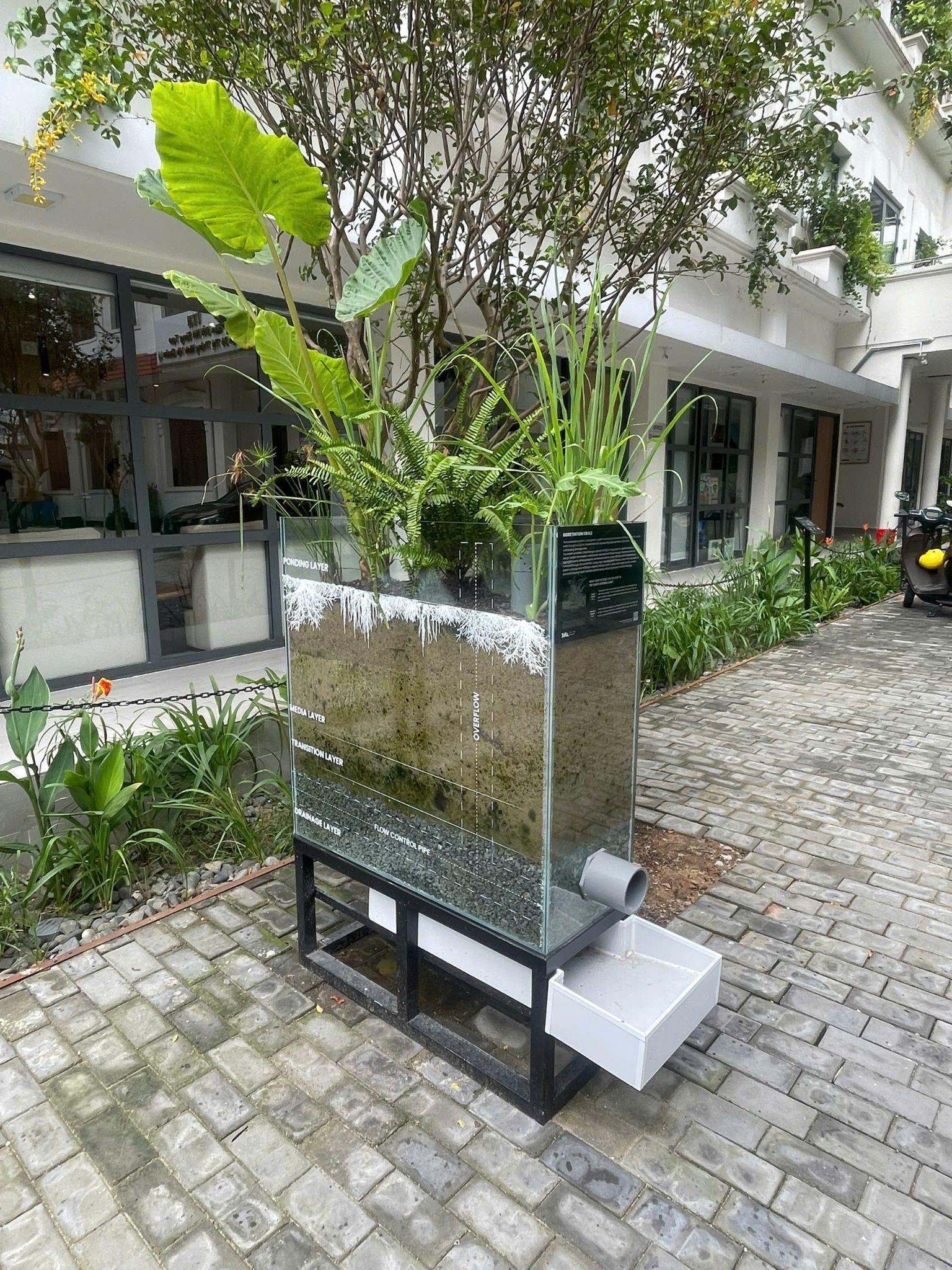
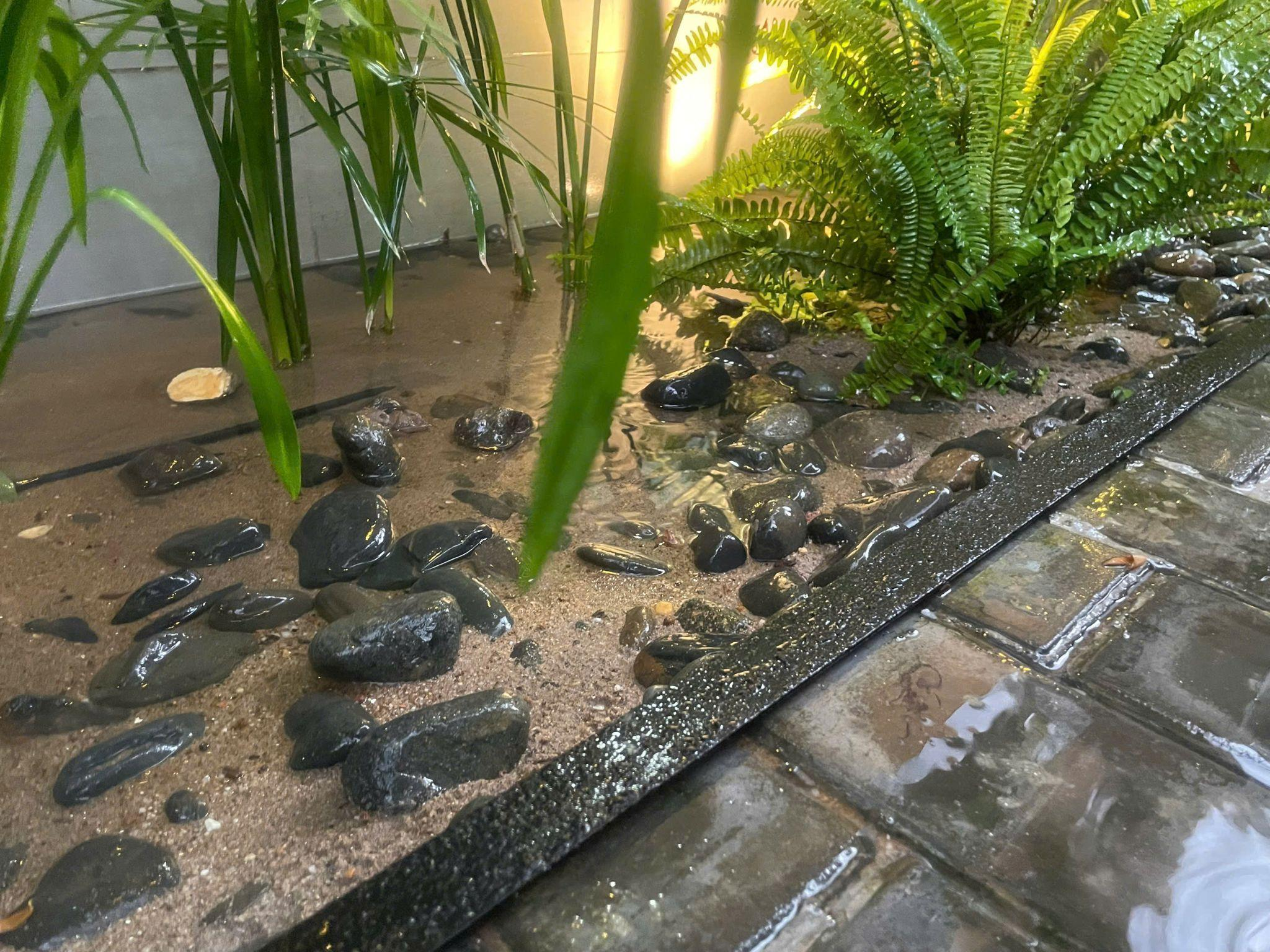
Improving ecological conditions through green infrastructure – BioRetention Swale (Bioswales): Research into vegetated drainage swales for collecting, filtering and regulating rainwater, reducing waterlogging and maintaining more favorable soil and water conditions for vegetation.
Developing local vegetation across different vertical levels – Planting Elevation: A proposed combination of native fruit trees, ground-level planting and vegetated building facades to increase the presence of local plants, vegetation cover and shade, while improving the campus microclimate.
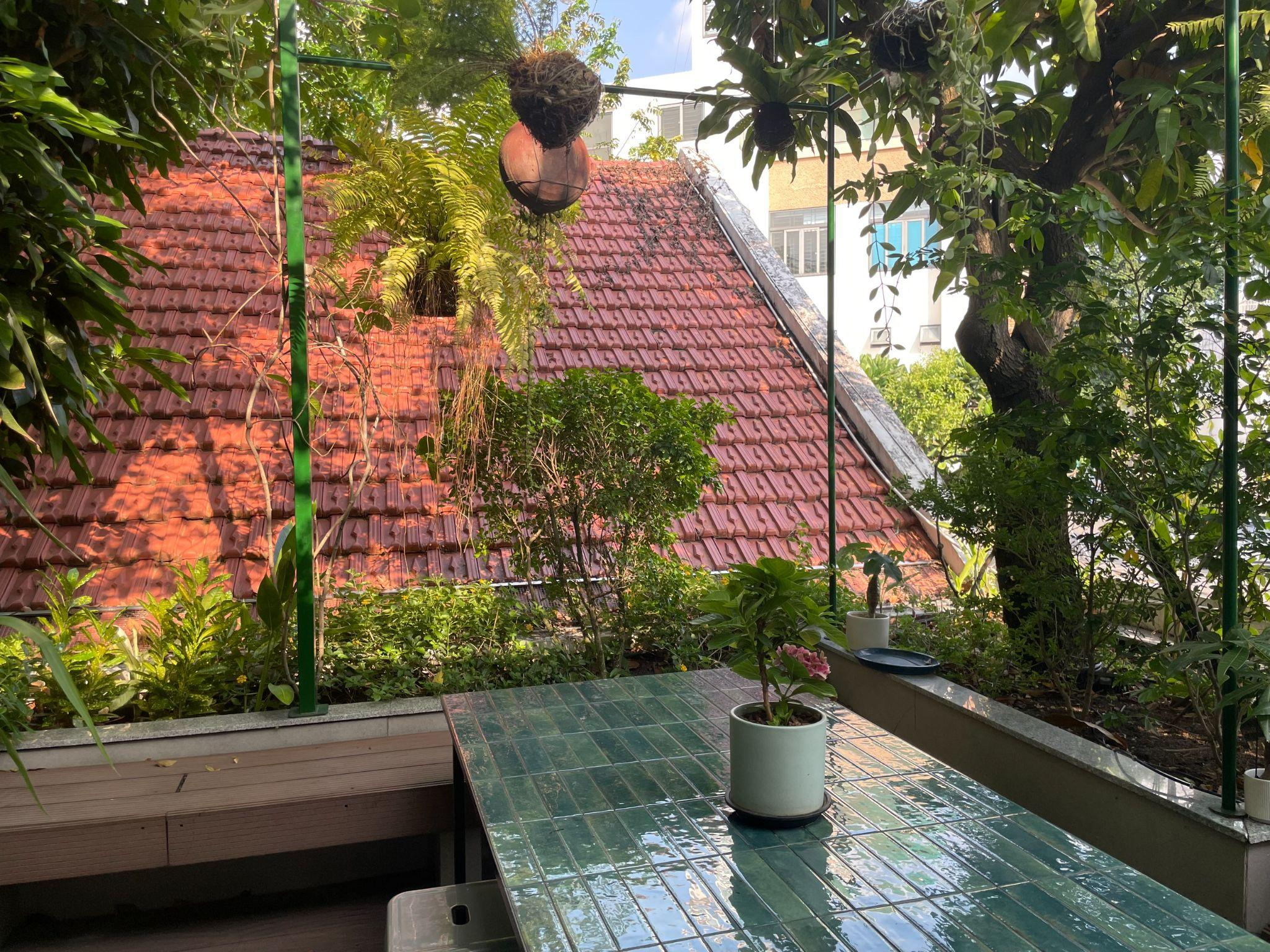
Strengthening human–nature connections – Grounding Gardens (Healing Gardens): Proposed gardens and pathways enabling direct contact with nature would create opportunities to experience green spaces and encourage the UEH community to care for ecological landscapes.
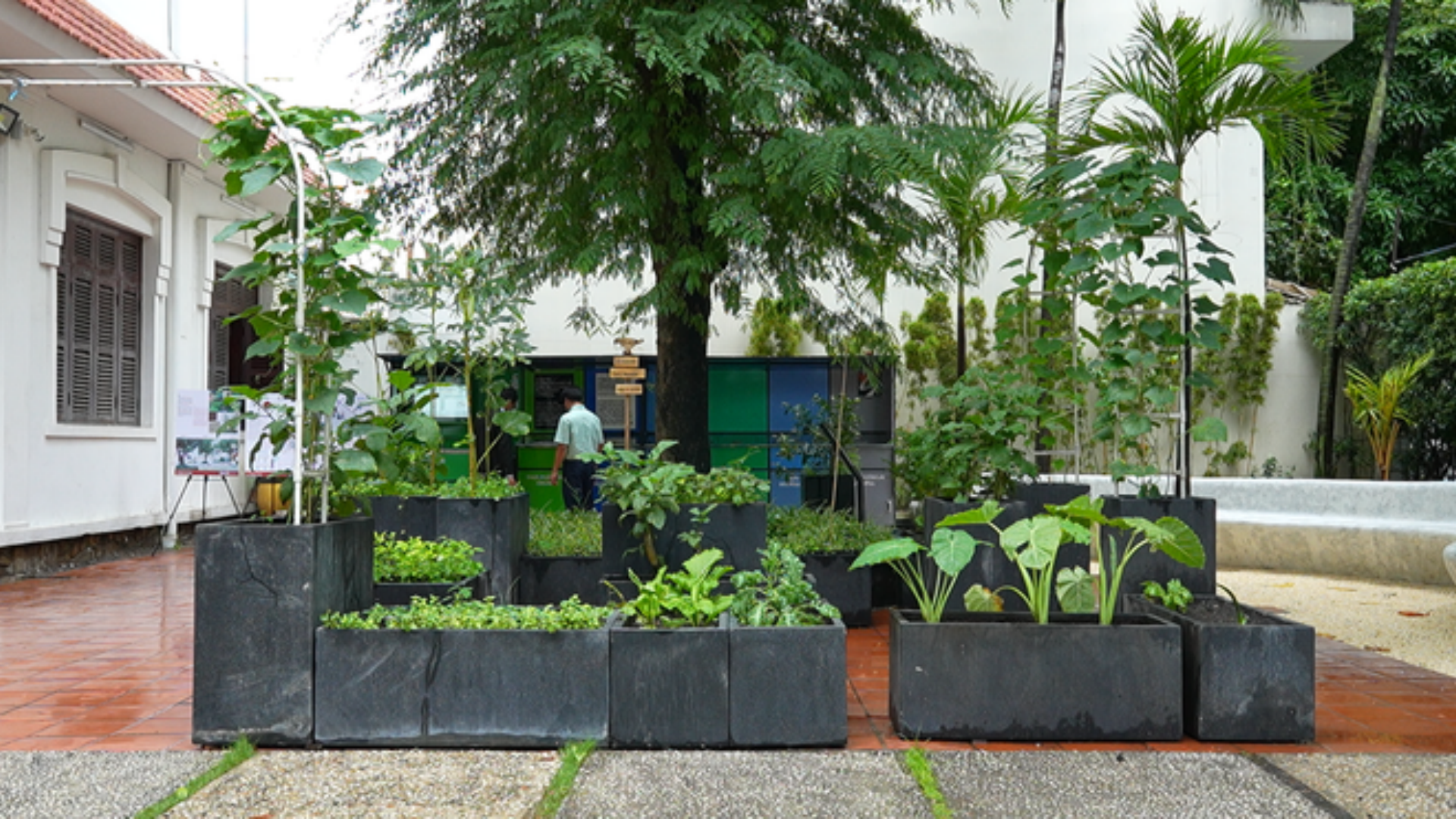
Sod Culture Testbed at the Vo Thi Sau campus for studying and conserving native plant species

 |
|
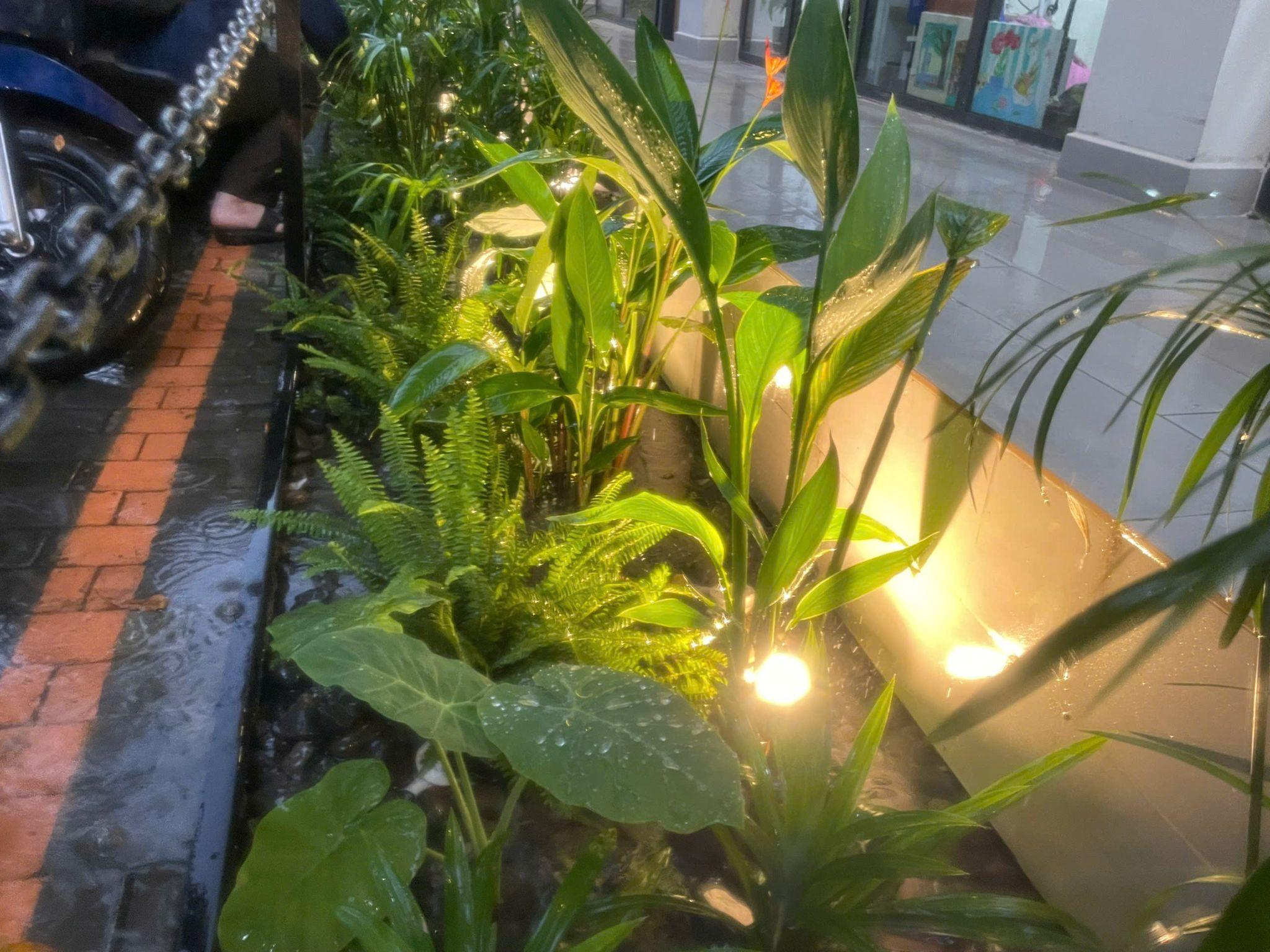
Bioswales model studying the capacity of native vegetation to collect, filter and regulate rainwater
 |
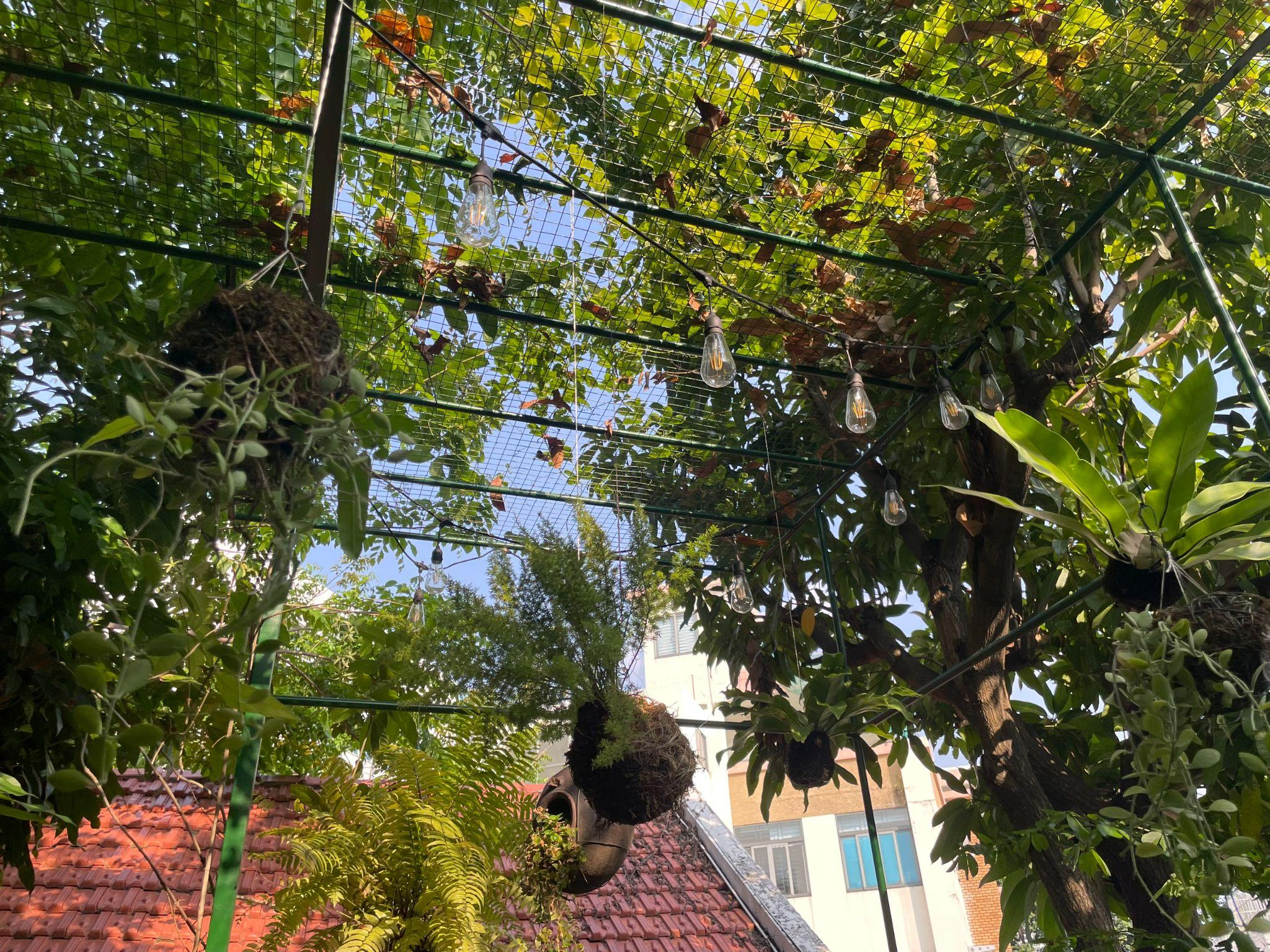 |
Healing Gardens and Green Roof areas featuring rooftop vegetation at the Vo Thi Sau campus
2.2. Developing UEH Nexus Campus Nha Trang with green spaces and sustainable grounds
In 2025, UEH broke ground on UEH Nexus Campus, envisaged as an education and research facility aligned with the natural conditions and distinctive characteristics of Khanh Hoa Province. According to the published design, campus buildings will be connected by hanging-garden vegetation, expanding planting space, improving the microclimate and increasing greenery throughout the grounds. UEH also organized tree-planting activities as part of the groundbreaking programme to demonstrate its commitment to green development.
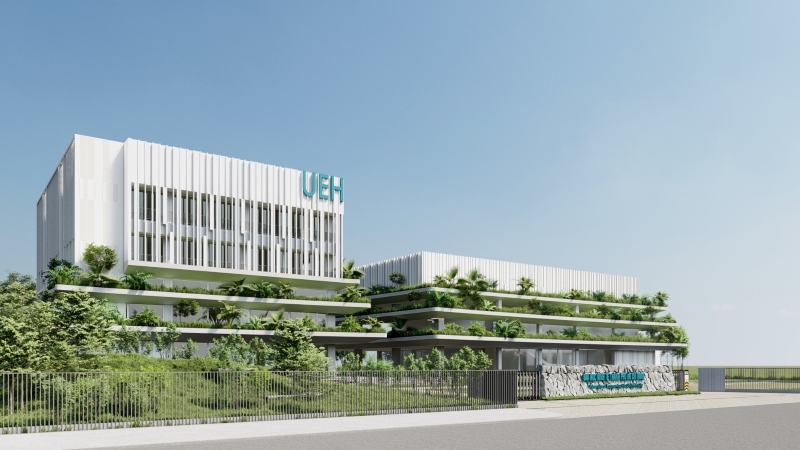
Overall rendering of UEH Nexus Campus featuring hanging gardens to expand planted areas
Public source: UEH Portal, “From Local Mission to Global Aspirations: UEH Nexus Campus Nha Trang – A New Strategic Campus of the University of Economics Ho Chi Minh City Among 250 Projects Celebrating the 80th Anniversary of Vietnam’s National Day”, 12/08/2025
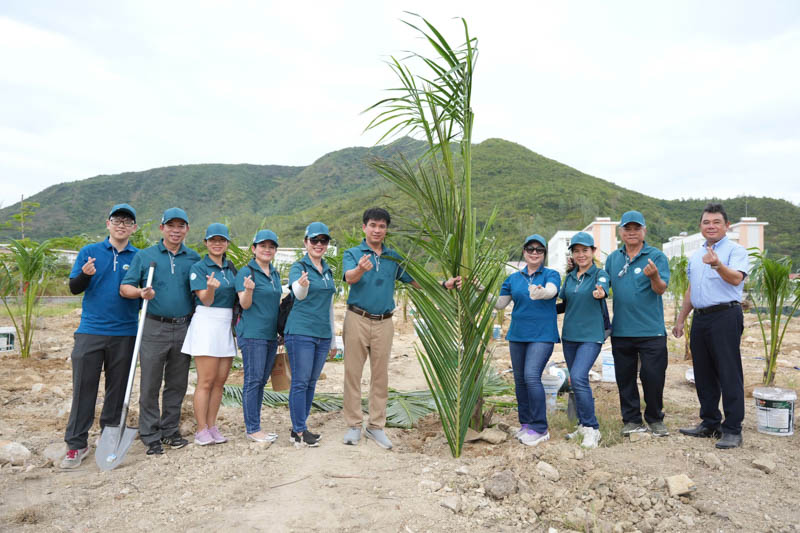
UEH lecturers planted more than 300 trees at UEH Nexus Campus in Khanh Hoa
Public source: UEH Portal, “Community and Environmental Activities with UEH – Together We Share”, 24/07/2025
These projects support UEH’s Green Campus approach by protecting trees, sustaining ecological landscapes and introducing nature-based solutions into infrastructure development. They provide a foundation for further conserving vegetation and enhancing habitats within university grounds, consistent with the long-term objective of SDG 15.2.3 to conserve terrestrial biodiversity.
3. Evidence of programmes and events implemented in 2025
| STT | Programme/
Project |
Type/
Classification |
Description | Public source |
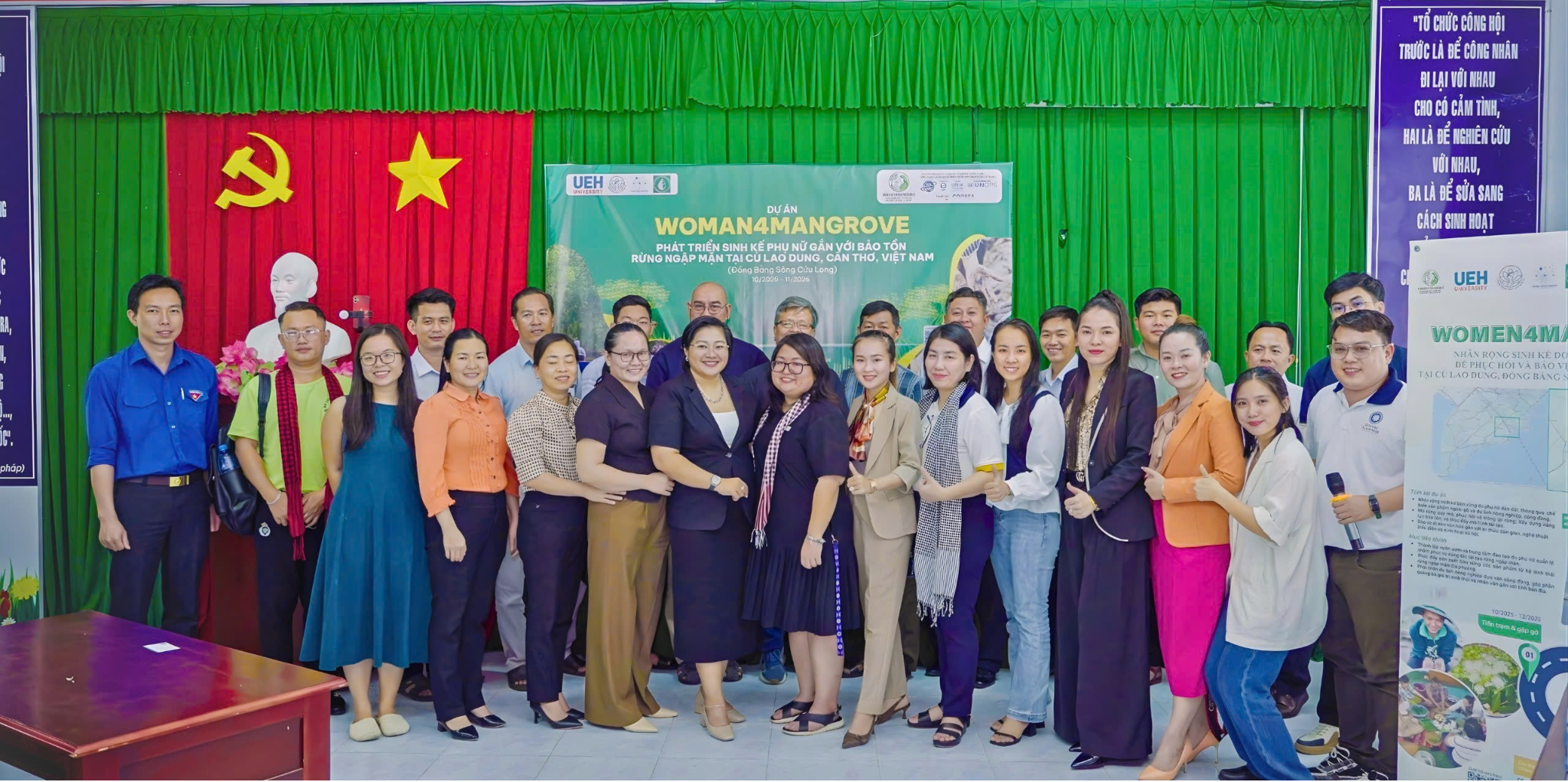
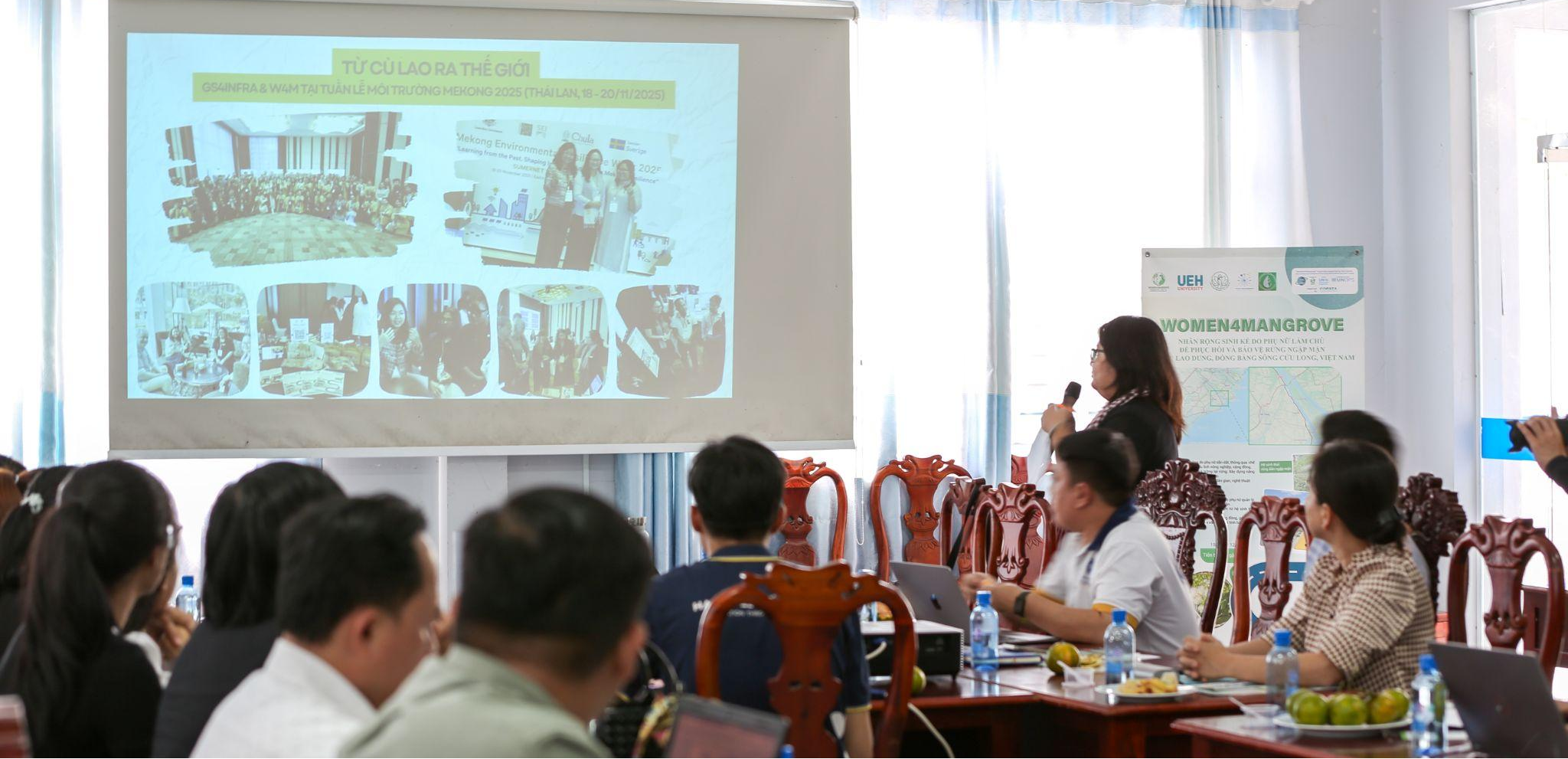
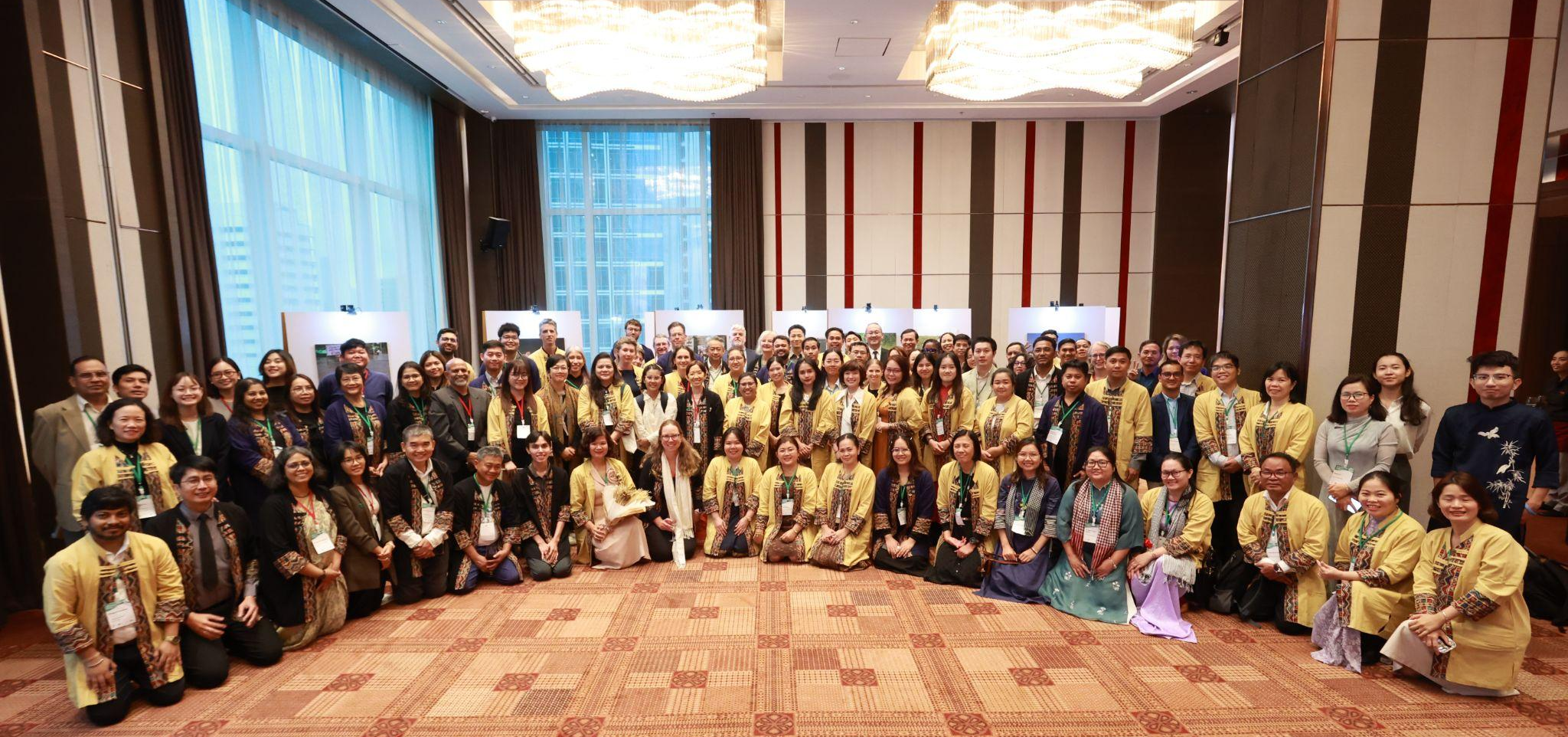
| 1 | Women4Mangrove – Mangrove conservation linked to community livelihoods | Project launch; forest conservation dialogue; community consultation | On 10 December 2025, UEH collaborated with the People’s Committees of An Thanh and Cu Lao Dung communes in Can Tho City to launch the Women4Mangrove project alongside a thematic dialogue on mangrove conservation and sustainable livelihoods. The event brought together local authorities, experts and community representatives to discuss forest conservation and mangrove ecosystem protection, emphasizing women’s empowerment and the development of sustainable educational agritourism in the Mekong Delta. The project aims to establish a women-managed nursery and reforestation training centre, with a target of restoring 5 hectares of mangrove forest during its implementation.
During 2025, the project expanded international exchanges and learning opportunities in Thailand (November 2025) and the Netherlands (December 2025), helping to refine the model and identify opportunities for future scaling.
Delegates attending and contributing to the discussion
Delegates, partners and the Women4Mangrove project team at an international professional exchange forum |
UEH Portal, Can Tho Newspaper, December 2025 |
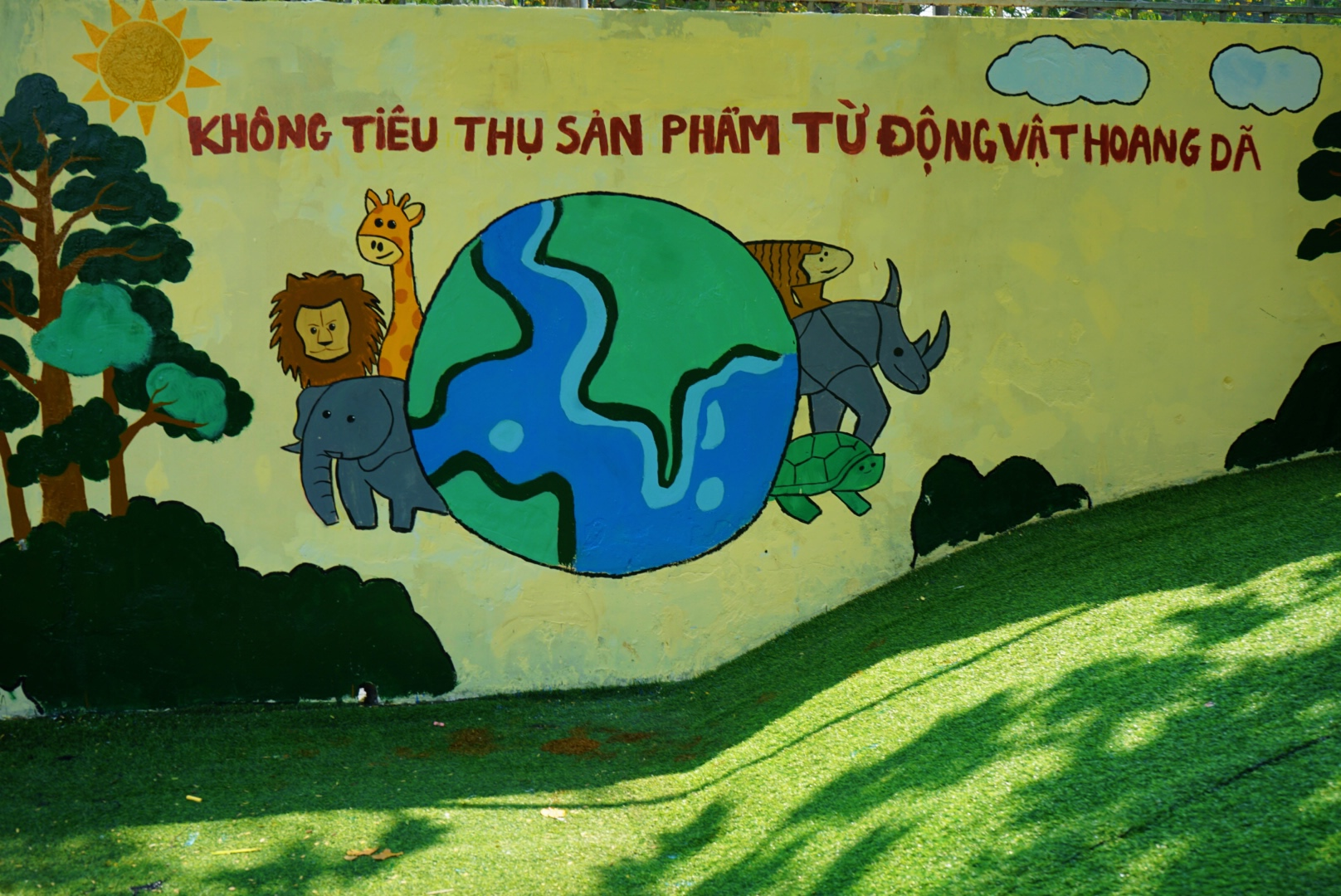
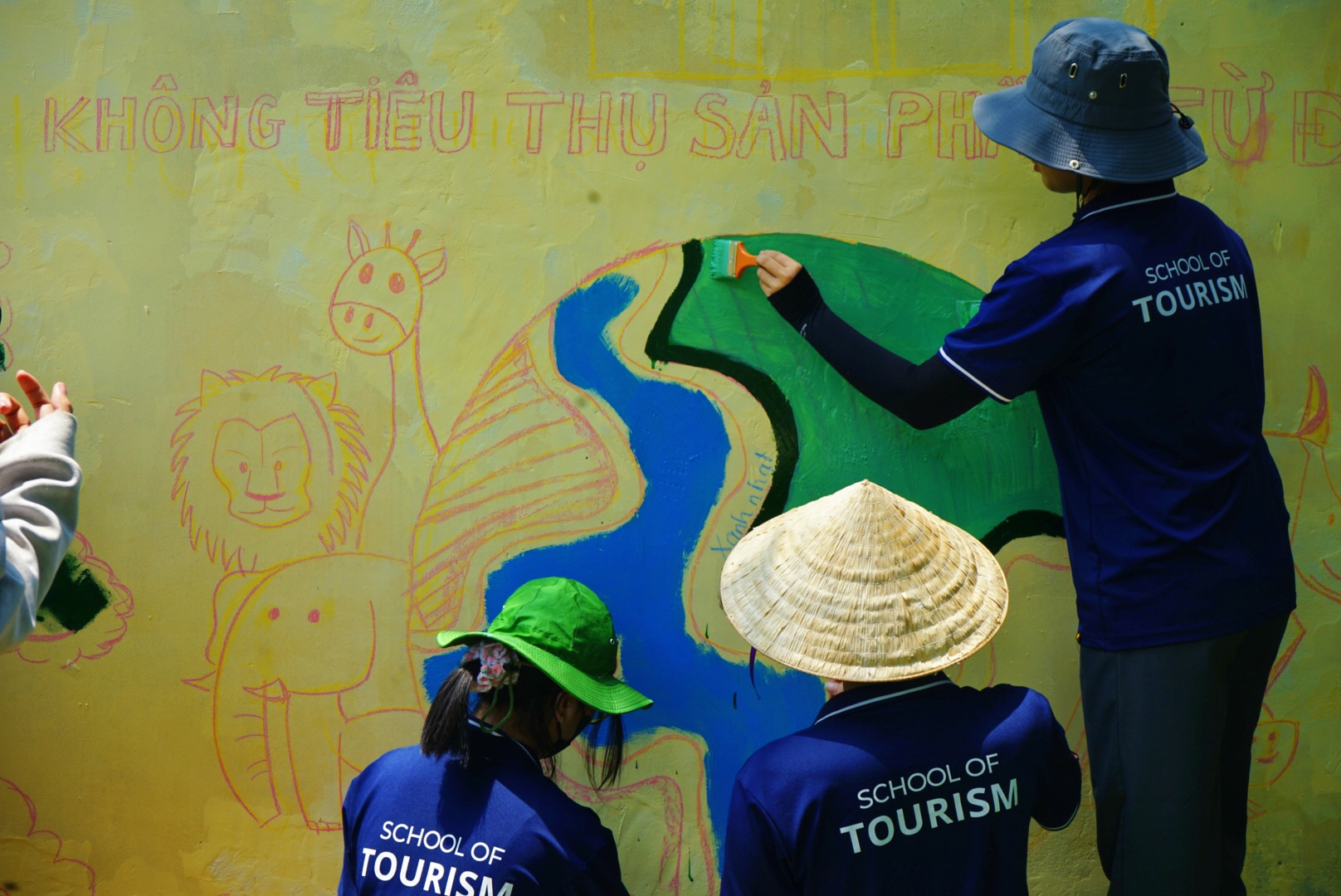
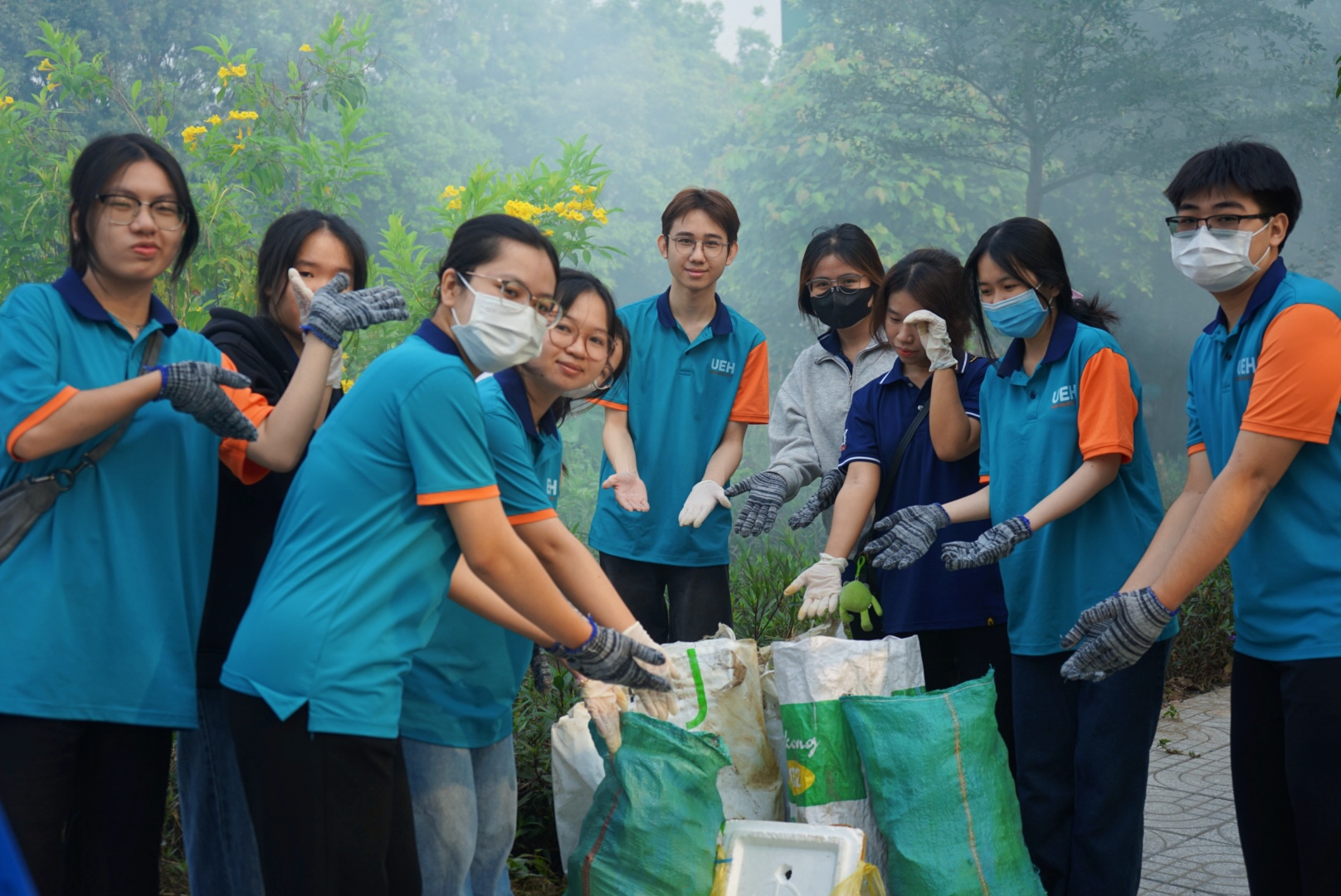
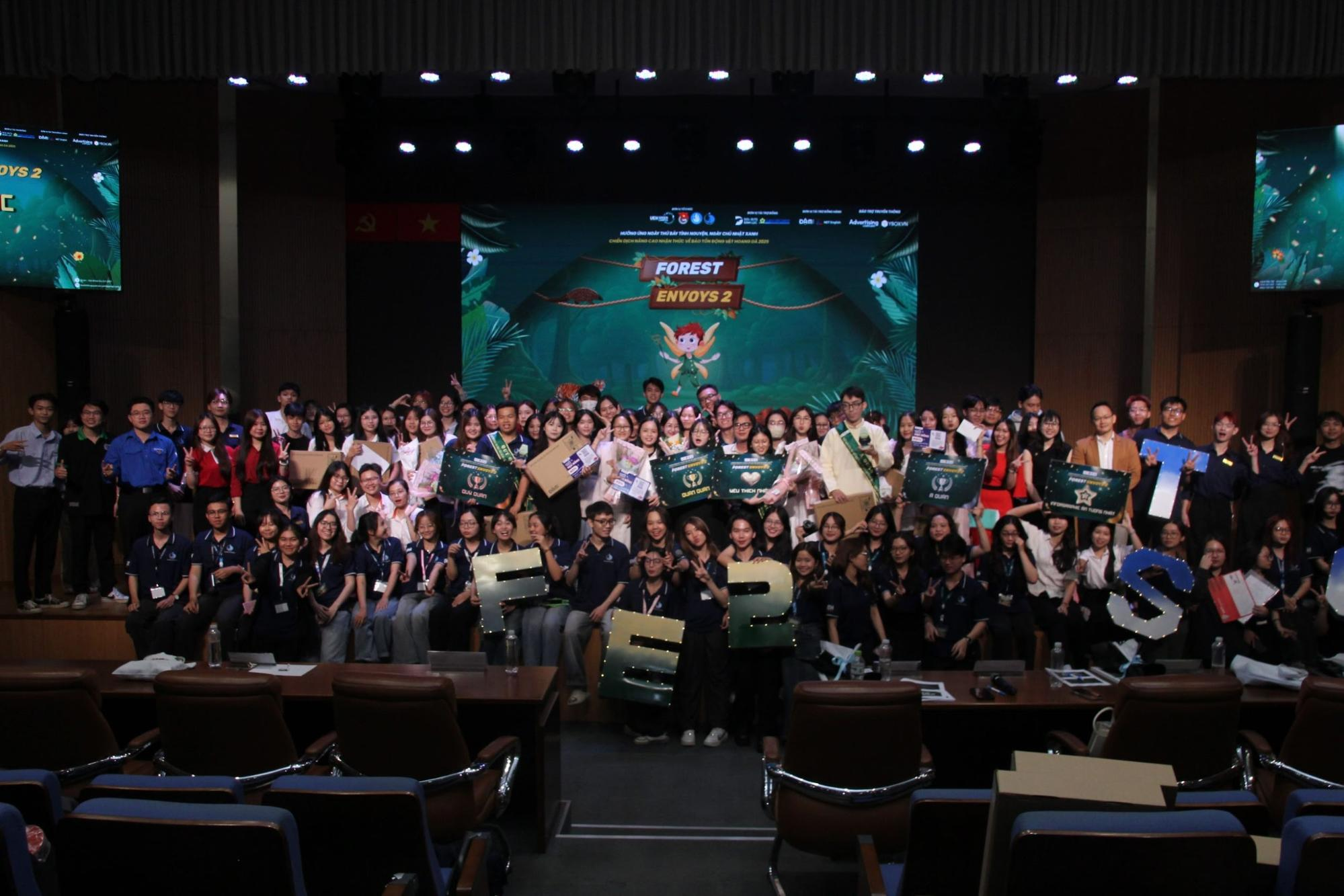
| 2 | Forest Envoys 2 – 2025 wildlife conservation awareness campaign | Educational event and academic competition; environmental volunteering | In March 2025, the Youth Union and Student Association of UEH’s School of Tourism organized the Forest Envoys 2 campaign on responsible tourism and wildlife conservation. The programme combined education on protected species with tree planting and cleanup activities at Ap 12 Park in Pham Van Hai Commune, Ho Chi Minh City, school outreach and a wildlife conservation knowledge competition. It recorded 70 participating students, 80 competition teams and more than 2,000 student supporters.
The wildlife conservation communication campaign generated more than 200,000 views, reached 60,000 people and received 7,000 interactions, raising awareness of SDG Target 15.7 on ending poaching and illegal wildlife trafficking.
Students decorated walls to communicate wildlife conservation messages
Students cleaned and collected litter at a children’s playground
Final round of the academic competition on wildlife conservation and law, “Responsible Tourism Must Go Hand in Hand with Wildlife Conservation” |
UEH Green Campus Website, “2025 Wildlife Conservation Awareness Campaign – Forest Envoys 2, UEH School of Tourism”, 31/03/2025 |
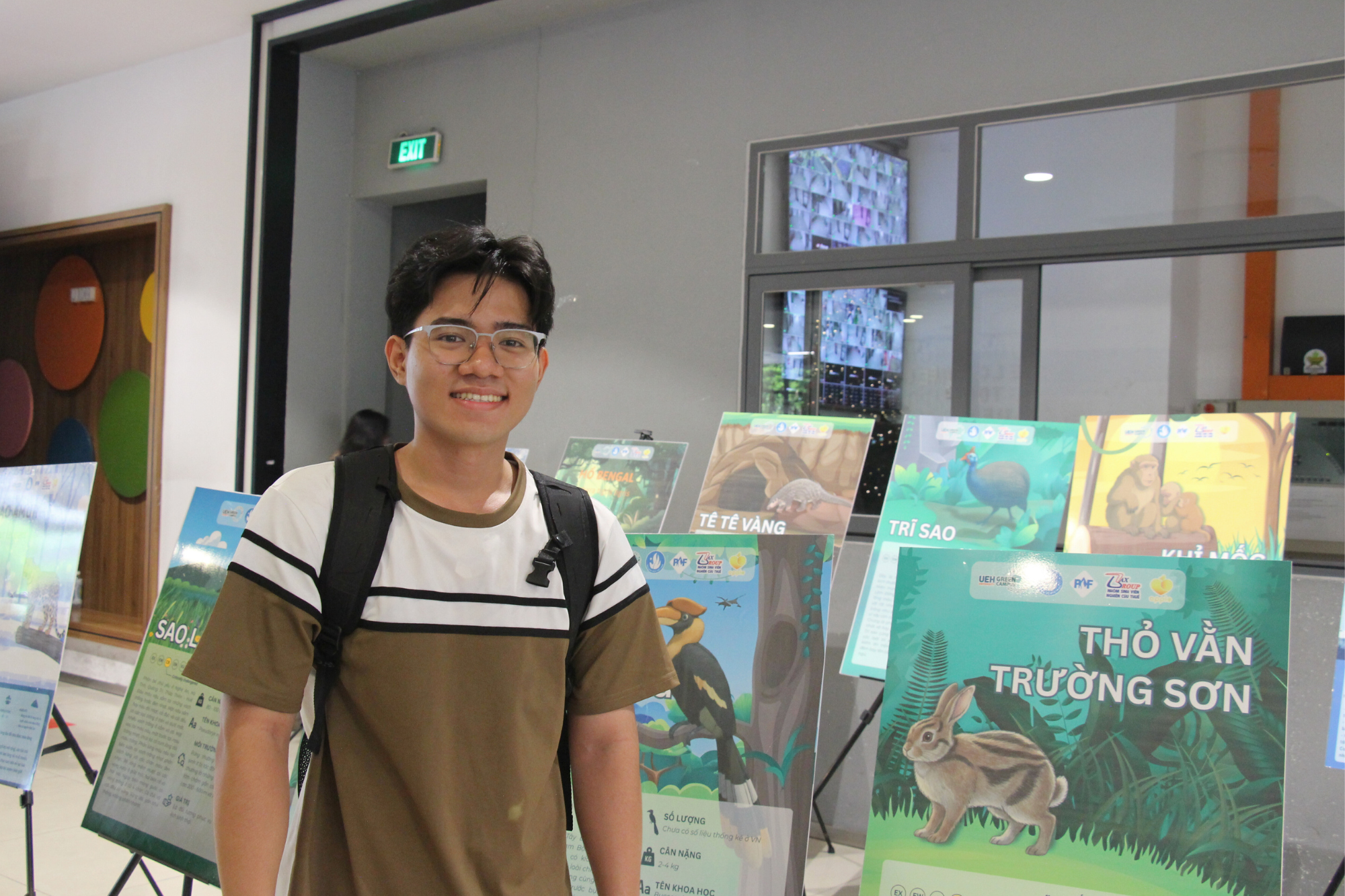
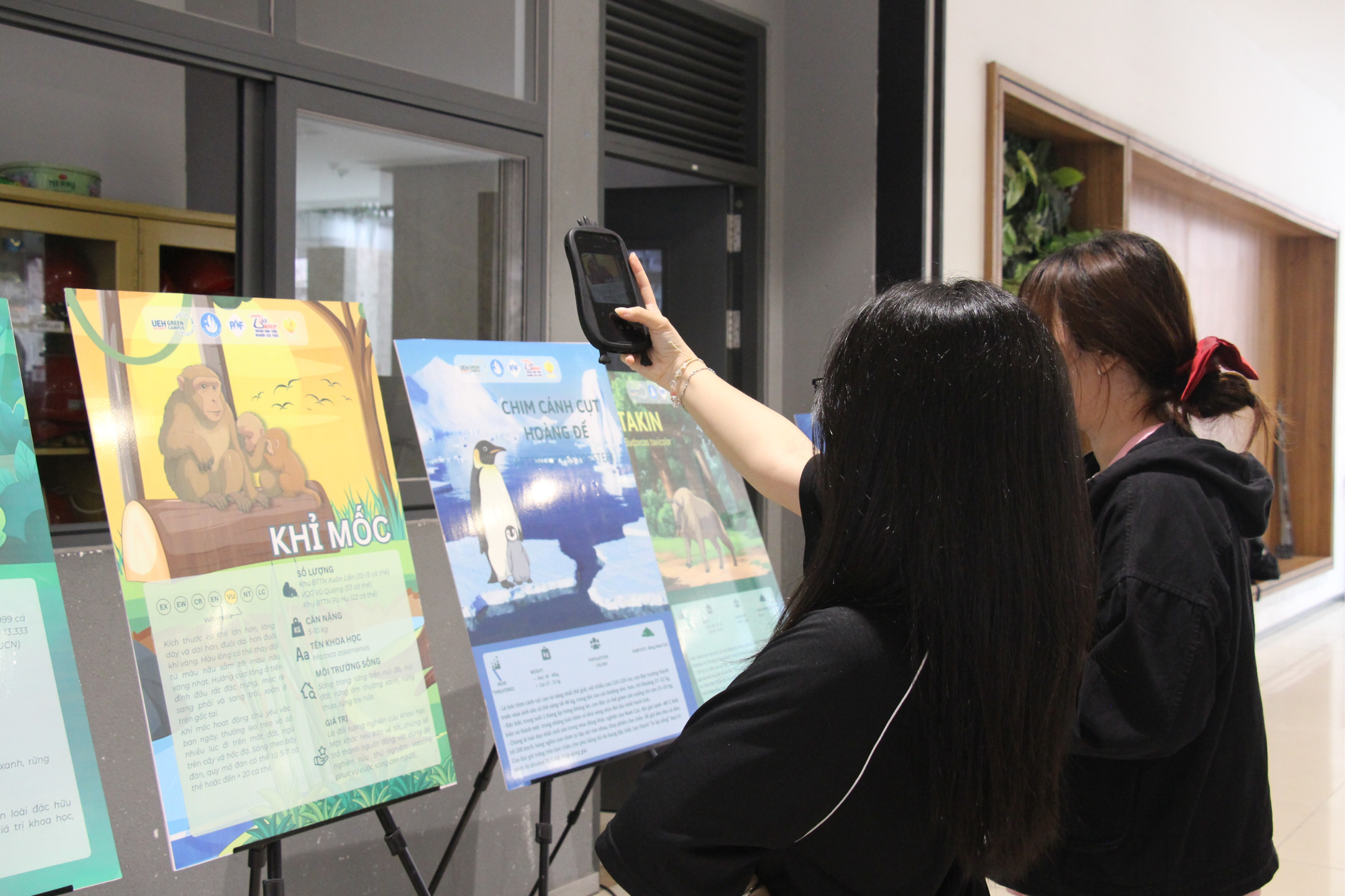
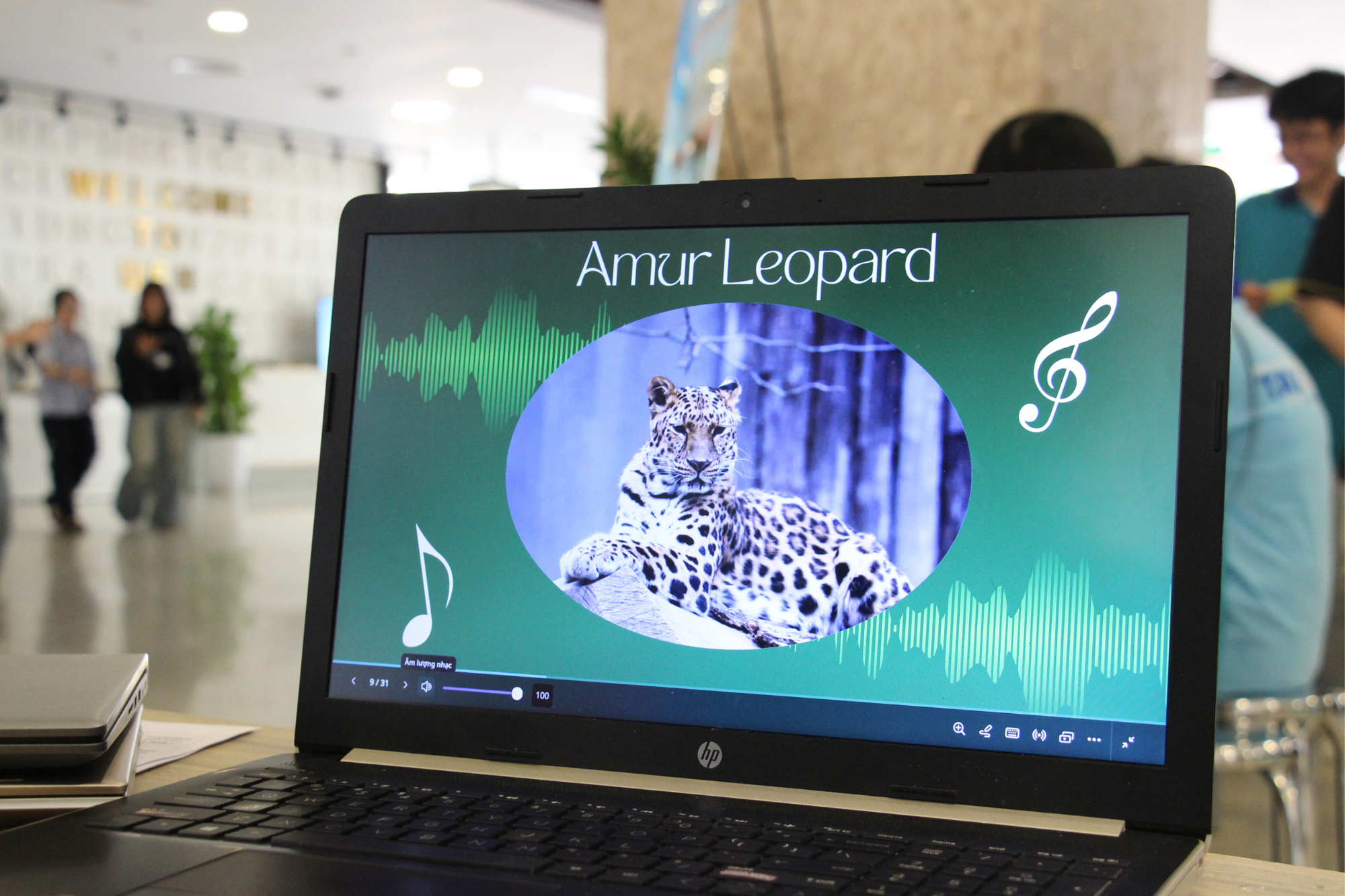
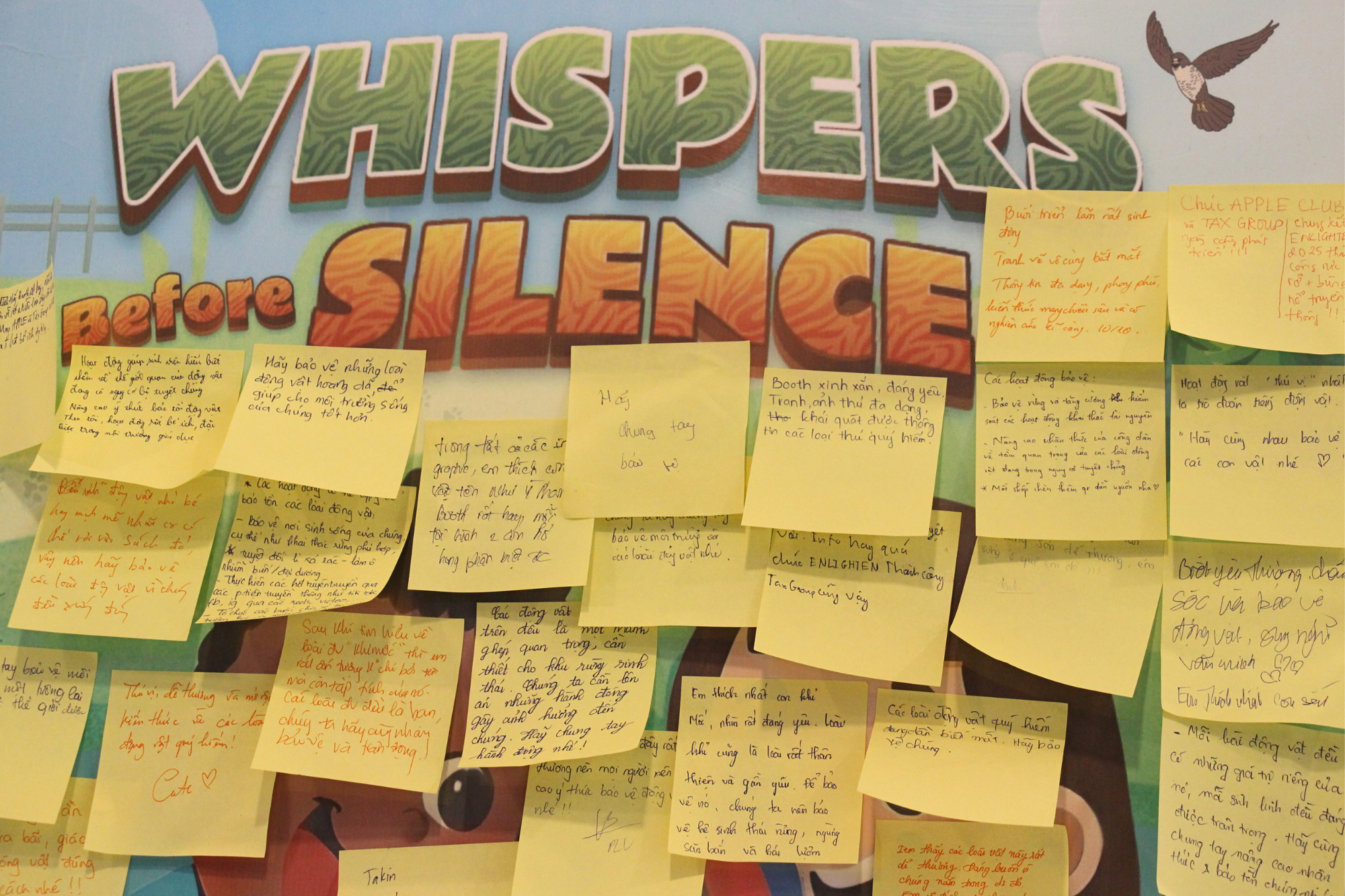
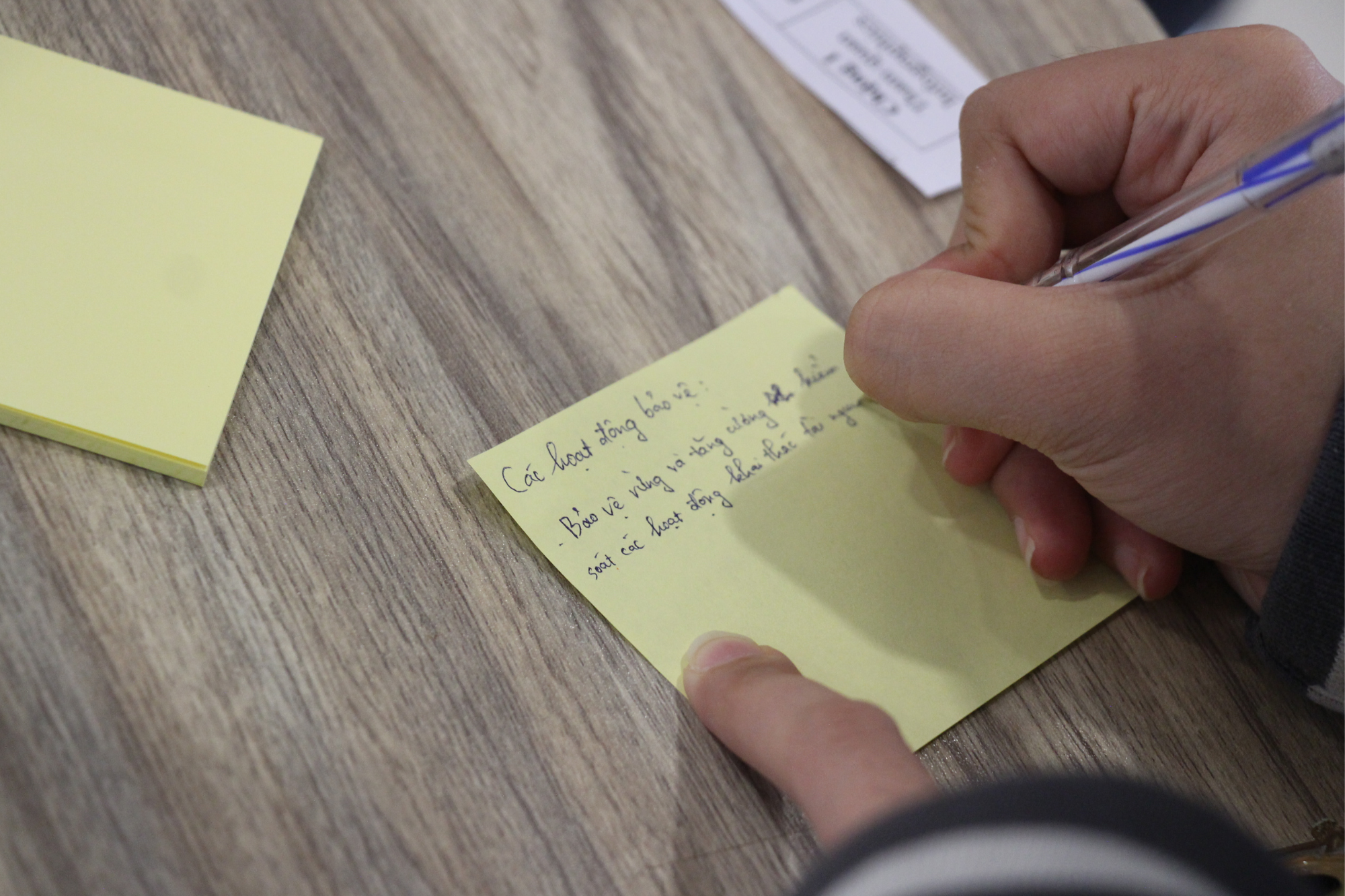
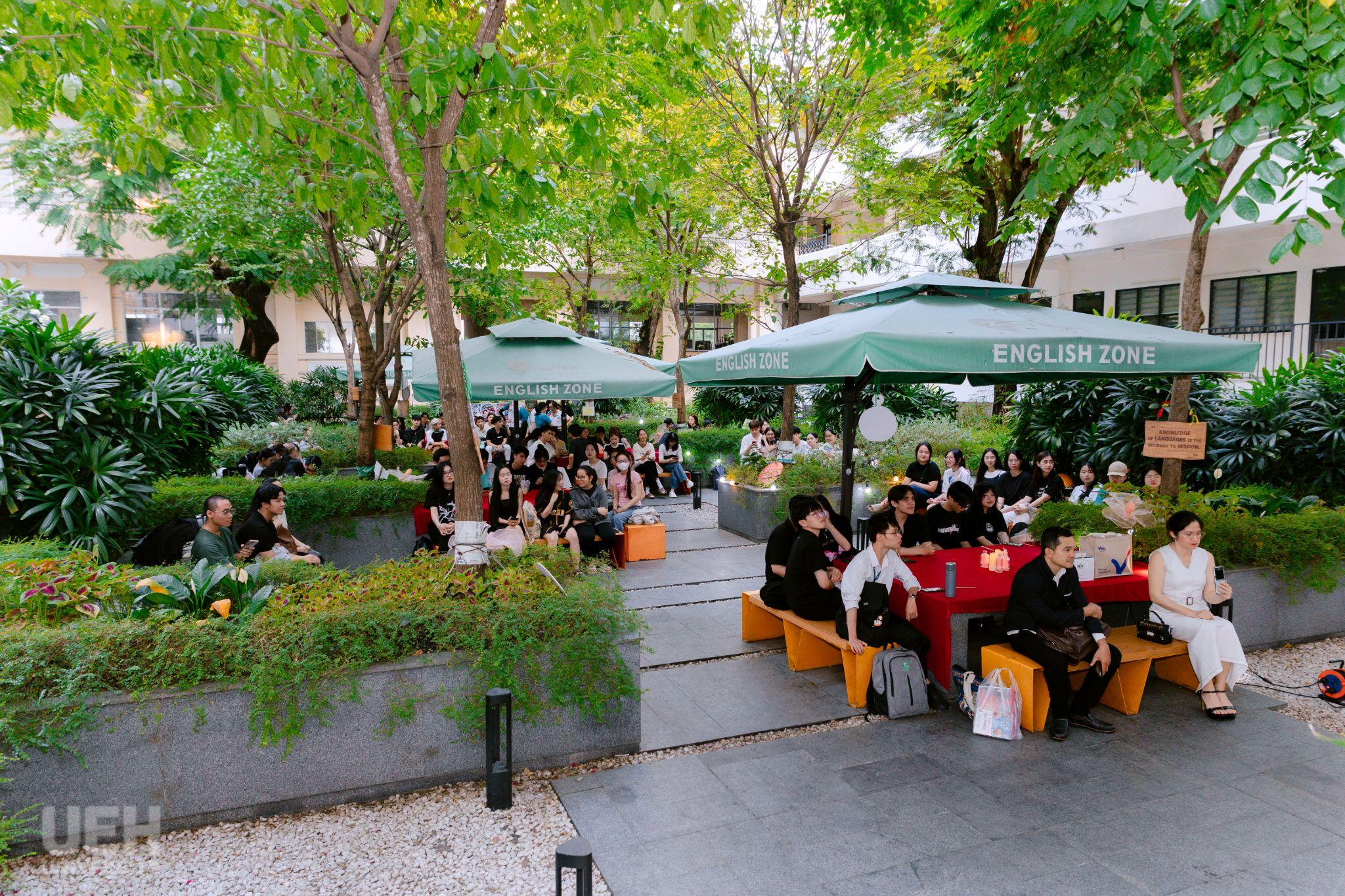
| 3 | “Whispers Before Silence” – Endangered wildlife conservation exhibition | Educational exhibition and biodiversity conservation communication | On 6 and 21 November 2025, TaxGroup (the Tax Research Student Group) and Apple Club (the English Club) jointly organized the “Whispers Before Silence” exhibition at UEH’s Nguyen Tri Phuong campus. Students explored information on animals listed in Vietnam’s Red Data Book and the IUCN Red List, including their habitats, conservation status and threats to survival. They also answered questions about wildlife conservation and wrote conservation pledges. The activity raised awareness of wildlife protection and encouraged reduced consumption of wildlife-derived products.
Students learned about animal species listed in Vietnam’s Red Data Book and the IUCN Red List
Students participated in an animal-call guessing activity
Students wrote pledges to protect wildlife |
UEH Green Campus Website, “Whispers Before Silence Exhibition Booth – UEH Green Campus 2025 Activity Series”, 22/11/2025 |
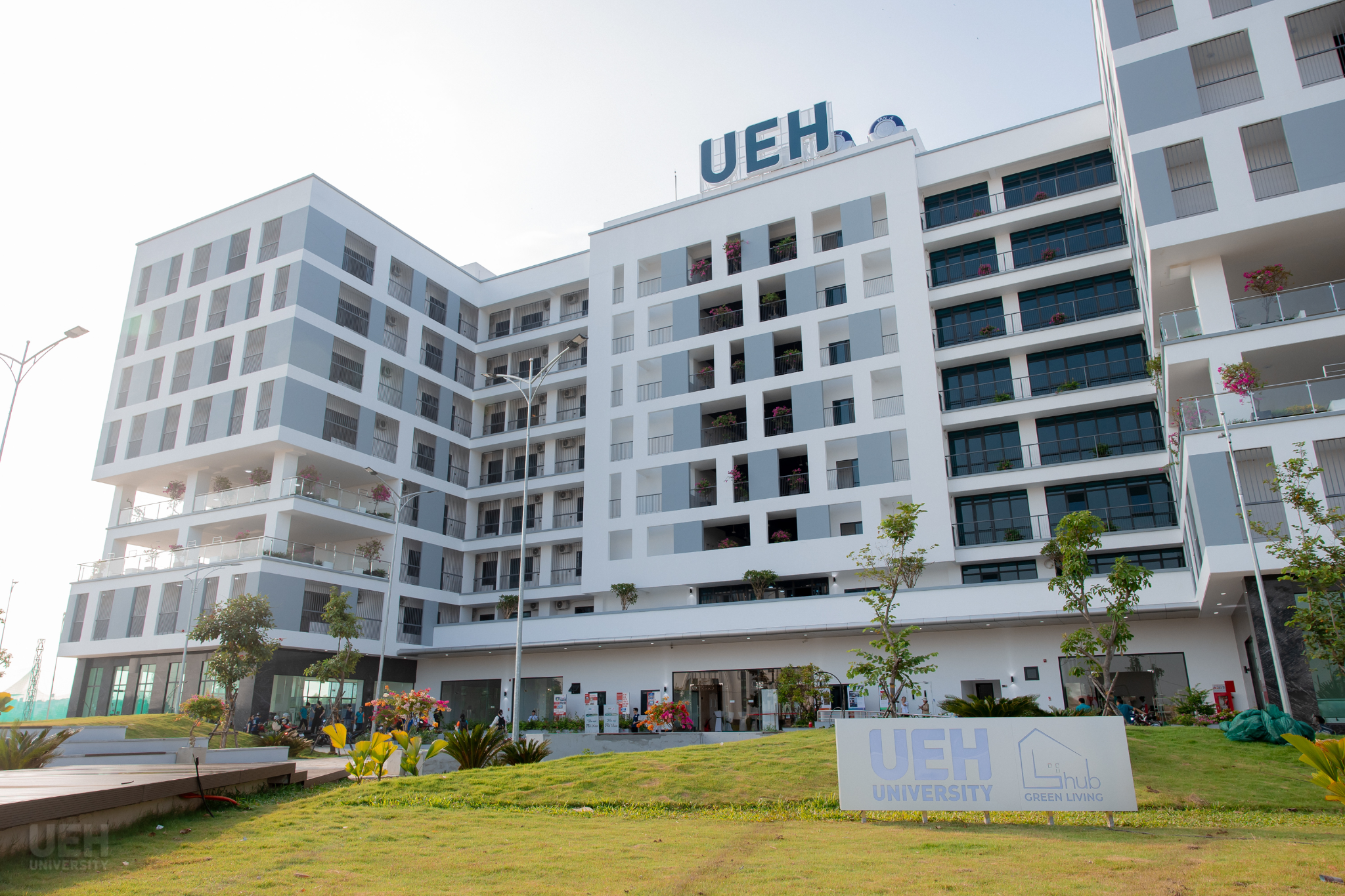
| 4 | Maintaining and expanding vegetation and developing the Sod Culture ecological nursery on UEH campuses | Green infrastructure renovation; renewable energy applications; urban ecology development | In 2025, UEH recorded 52,345 m² of grass and groundcover and 25,244 m² of tree-covered areas across its campuses, helping to maintain vegetation cover, protect landscapes and improve urban ecological conditions. UEH also introduced the UEH Green Campus – Sod Culture nursery as a space for planting, hands-on activities and testing environmental management and monitoring methods. The model supports the conservation and development of locally adapted vegetation, laying a foundation for maintaining and expanding habitats within the campus.
|
UEH Portal, “From Sustained Efforts to a New Look: UEH Towards a Smart Green University for Lunar New Year 2026”, 14/02/2026 |
4. Conclusion
In 2025, UEH continued activities aimed at maintaining and extending existing ecosystems, protecting native vegetation and improving habitat conditions for living organisms. These efforts included maintaining green spaces across its campuses, tree planting at UEH Nexus Campus, and testing vegetation models such as Strata Garden and Sod Culture at the Vo Thi Sau campus under the smART Hub Living Labs project.
Beyond campus boundaries, UEH increased its involvement in natural ecosystem conservation through Women4Mangrove, which conducted surveys, community consultations and planning for mangrove restoration in the Mekong Delta in 2025. The Forest Envoys 2 campaign and Whispers Before Silence exhibition helped raise awareness within the UEH community of wildlife protection, endangered species and the value of biodiversity, complementing habitat and environmental protection efforts.
Compared with the preceding period, UEH’s 2025 activities expanded from tree protection and landscape development toward research and experimentation with models that maintain local vegetation, develop urban habitats and connect with ecosystem conservation initiatives beyond campus. UEH is progressively strengthening its foundation for maintaining and enhancing both plant and animal biodiversity, contributing to SDG 15.2.3 and supporting nature-friendly university campuses and the protection of ecosystems at risk.