POLICY PARTNER | Activities, partners and publicly available sources
|
SDG POLICY CHALLENGE | Policy challenge addressed
|
UEH DIRECT CONTRIBUTION | UEH’s direct contribution
|
POLICY DEVELOPMENT PROCESS | Process and level of contribution
|
DOCUMENTED OUTPUTS 2025 | Verified outputs and evidence limitations
|
01. UEH provided input on growth strategy and public finance at a policy conference organised by the Ministry of Finance and ActionAid (19/09/2025).
Policy partners: Institute of Financial Strategy and Policy under the Ministry of Finance (national government); ActionAid International in Viet Nam (non-governmental development organisation).
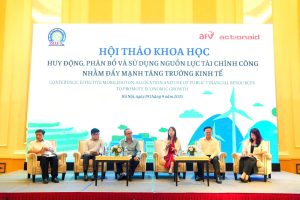
Photo 1 – Dr Nguyen Kim Duc (IRDRC–UEH) presented his paper and policy recommendations. Photo source: IRDRC UEH, 19/09/2025.
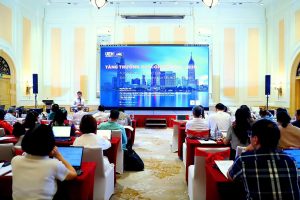
Photo 2 – Overview of the Ministry of Finance–ActionAid conference. Photo source: IRDRC UEH (reproduced from the Ministry of Finance portal).
|
Policy challenge: limited public financial resources, high infrastructure investment and growth needs, and the requirement for inclusive growth and a just green transition. SDG 8: sustainable growth; SDG 10: leaving no vulnerable groups behind; SDG 13: supporting the green transition; SDG 17: public–society partnerships.
|
UEH’s direct contribution: Dr Nguyen Kim Duc, Deputy Director of IRDRC–UEH, presented “Double-Digit Growth in 2026–2030: From National Action to Ho Chi Minh City’s Breakthrough Drivers”, based on research conducted in 2025. The presentation outlined eight groups of national-level solutions, growth drivers for Ho Chi Minh City, and the 4P (Public–Private–People Partnership) model for policy implementation.
|
Process: Documented policy input – UEH presented research findings and recommendations at a policy advisory conference on 19/09/2025 organised by a research institute under the Ministry of Finance together with ActionAid. The scope involved national policy; there is no claim that the Ministry of Finance officially adopted or promulgated the eight groups of solutions.
|
Verified outputs in 2025: an identifiable presentation and speaker, eight groups of national growth solutions and the 4P implementation model; UEH’s contribution was published on the IRDRC website, while the Ministry of Finance confirmed the conference and its partners. See the “IRDRC Contributions” sections in the UEH source and the Ministry of Finance source dated 19/09/2025.
|
02. Research report on total factor productivity (TFP) informing Ho Chi Minh City’s growth orientation, accepted on 16/07/2025.
Policy partner: Ho Chi Minh City Department of Science and Technology (local government agency).
Source: https://irdrc.ueh.edu.vn/tin-tuc/vien-nctv-phat-trien-vung-ueh-irdrc-nghiem-thu-nhiem-vu-khoa-hoc-va-cong-nghe-ty-trong-dong-gop-nang-suat-cac-nhan-to-tong-hop-tfp-vao-tang-truong-cua-thanh-pho-ho-chi-minh/
Photo 1 – Assoc. Prof. Dr Nguyen Ngoc Vinh presented the TFP research findings. Photo source: IRDRC UEH, acceptance review on 16/07/2025.
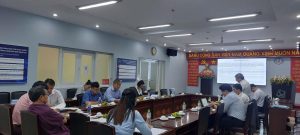
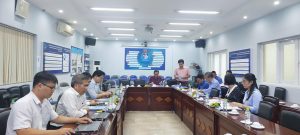
Photo 2 – Overview of the TFP research acceptance committee at the Ho Chi Minh City Department of Science and Technology. Photo source: IRDRC UEH.
|
Policy challenge: measuring and improving total factor productivity (TFP) to guide productivity-led economic growth, innovation and digital transformation. SDG 8: productivity; SDG 9: technology and innovation; SDG 16: data-driven governance.
|
UEH’s direct contribution: IRDRC–UEH led the research project, with Assoc. Prof. Dr Nguyen Ngoc Vinh as principal investigator. The team developed a method for measuring Ho Chi Minh City’s TFP during 2016–2025, assessed differences across economic sectors, forecast trends to 2030 and recommended measures to increase TFP’s contribution to GRDP growth in 2026–2030.
|
Process: Documented policy input – monitoring, reporting and forecasting. On 16/07/2025, the Ho Chi Minh City Department of Science and Technology convened an acceptance committee, which found the report satisfactory and completed on schedule. This was a research product accepted by a local government agency; it does not establish that a national government partner directly commissioned or received it.
|
2025 outputs: an accepted TFP research report; published findings on the roles of science and technology, innovation and digital transformation; and a forecast that TFP would remain a major growth driver until 2030. The UEH IRDRC article forecasts a TFP contribution exceeding 55%; this is a projection, not an achieved outcome. On 09/12/2025, the Ho Chi Minh City Department of Science and Technology issued Decision No. 1275/QĐ-SKHCN recognising the results of the IRDRC–UEH project with a Satisfactory rating.
|
03. Acceptance of the Annual Report on Science, Technology and Innovation in Ho Chi Minh City’s Key Sectors (07/2025).
Policy partner: Ho Chi Minh City Department of Science and Technology (city level; linked to national Resolution 57 but not a substitute for the national government/regional NGO partner requirement).
Source: https://irdrc.ueh.edu.vn/tin-tuc/vien-nctv-phat-trien-vung-ueh-irdrc-nghiem-thu-nhiem-vu-khoa-hoc-va-cong-nghe-bao-cao-thuong-nien-ve-khoa-hoc-va-cong-nghe-va-doi-moi-sang-tao-trinh-do-va-nang-luc-cong-nghe-doi-voi-cac/
Photo 1 – Mr Pham Tien Dung, MSc, presented the science, technology and innovation report. Photo source: IRDRC UEH, July 2025 acceptance review.
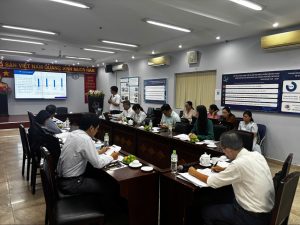
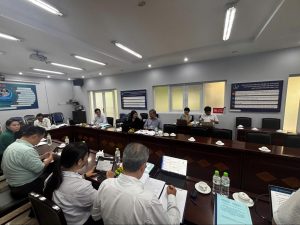
Photo 2 – Overview of the acceptance committee for the annual science, technology and innovation report. Photo source: IRDRC UEH.
|
Policy challenge: the lack of a monitoring system for the technological and innovation capabilities of key sectors and industries to support management and oversight of digital transformation. SDG 9: technology and innovation; SDG 8: productivity; SDG 16: evidence-based policy monitoring.
|
UEH’s direct contribution: IRDRC led the project; Assoc. Prof. Dr Nguyen Ngoc Vinh was principal investigator, and Mr Pham Tien Dung, MSc, presented the findings. The team assessed science, technology, innovation and digital transformation capabilities in four major industrial sectors and nine principal service sectors in Ho Chi Minh City.
|
Process: Documented policy input – monitoring and reporting. In July 2025, the Ho Chi Minh City Department of Science and Technology convened an acceptance committee for the annual report based on 2024 data; the committee confirmed that the project met its requirements.
|
Outputs accepted in 2025: the annual science, technology and innovation report using 2024 data, with findings on R&D investment, differences in technological capabilities across sectors, digital transformation and intellectual property management. On 05/12/2025, the Ho Chi Minh City Department of Science and Technology issued Decision No. 1225/QĐ-SKHCN recognising the IRDRC–UEH project results with a Satisfactory rating.
|
Policy partner: UNDP/Youth Co:Lab – a programme of a United Nations intergovernmental organisation, not equivalent to a Vietnamese government agency or regional NGO.
04. National Study on the Youth Entrepreneurship Ecosystem in Viet Nam (published in 2025)
Photo 1 – Launch of the National Research Report on the Youth Entrepreneurship Ecosystem, August 2025. Reference source: UEH/Youth Co:Lab, August 2025.
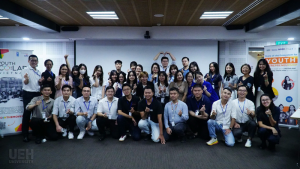
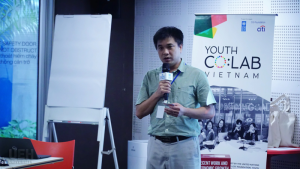
Photo 2 – UEH leadership representative at the launch of the youth entrepreneurship ecosystem research. Reference source: UEH Portal, August 2025.
|
Policy challenge: young entrepreneurs faced barriers to finance, mentoring, market access, human resources and equitable opportunities across regions. SDG 8: employment/entrepreneurship; SDG 9: innovation ecosystem; SDG 10: reducing inequalities in access.
|
UEH-UII worked directly with Youth Co:Lab/UNDP on a nationwide study using quantitative and qualitative data and stakeholder consultation; it identified institutional gaps and proposed policy recommendations for an inclusive youth entrepreneurship ecosystem. The research team and initial consultations had been active since 2024.
|
Process: Documented research input – identifying challenges, gathering evidence, analysing barriers and proposing recommendations; the national report was introduced in December 2024 and officially published through UNDP on 12/08/2025.
|
Public outputs in 2025: a national research report on the youth entrepreneurship ecosystem covering policy and legal frameworks, finance, human resources, markets and recommendations.
|
Policy partner: Dong Nai Provincial People’s Committee and the provincial Department of Finance – local government partners.
05. UEH consulted on adjustments to the Dong Nai Provincial Plan for 2021–2030, with a vision to 2050
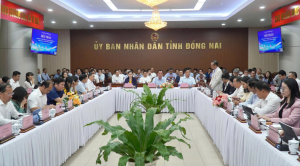
Photo 1 – Consultation workshop on adjusting the Dong Nai Provincial Plan, 25/09/2025. Reference source: Dong Nai Portal, 25/09/2025.
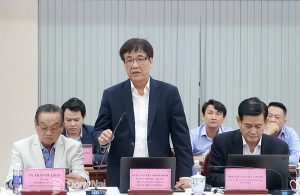
Photo 2 – Prof. Dr Nguyen Trong Hoai, former Vice Rector of UEH, speaking at the workshop. Reference source: Dong Nai Portal, 25/09/2025.
|
Policy challenge: adjusting Dong Nai’s provincial plan after administrative reorganisation, including infrastructure connectivity, urban space, industry and the green economy. SDG 9: infrastructure; SDG 11: urban planning; SDG 13: reducing environmental risks.
|
UEH collaborated with provincial authorities to organise a consultation workshop on the provincial plan adjustment on 25/09/2025, bringing together experts to examine spatial development structures, growth drivers, urban development and infrastructure. This was consultation on a draft plan adjustment; UEH did not itself issue the plan.
|
Process: Policy consultation – providing feedback and critical review at a workshop on adjusting the Provincial Plan for 2021–2030, with a vision to 2050. The partner was a provincial authority; meeting the national government/regional NGO requirement would require official evidence linking the work to a national planning process or an eligible partner.
|
Verified outputs in 2025: the planning consultation on 25/09/2025 and a public article from the Dong Nai Department of Finance documenting matters open for comment.
|
Policy partner: Khanh Hoa Union of Science and Technology Associations (a provincial association federation; regional NGO status).
06. Advising on improvements to policies supporting business innovation capacity in Khanh Hoa
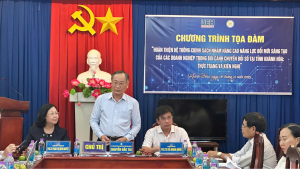
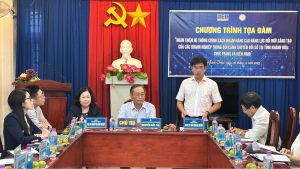
Photo – UEH and the Khanh Hoa Union of Science and Technology Associations at a policy discussion on improving business innovation policies, 06/11/2025. Source: UEH Portal, 07/11/2025.
|
Policy challenge: businesses lacked R&D funding, technology-skilled staff, innovation partnerships and incentives for digitalisation. SDG 8: business productivity; SDG 9: research and technological innovation capacity.
|
UEH co-chaired a discussion on 06/11/2025, with Assoc. Prof. Dr Bui Quang Hung delivering the opening presentation. Assoc. Prof. Dr Phan Thi Bich Nguyet was principal investigator of the state-level project KX.01.02/21-30 led by UEH. UEH synthesised theoretical foundations, analysed the current situation and consulted stakeholders on proposals to improve business innovation support policies.
|
Process: Policy consultation within a state-level science and technology project – identifying challenges and gathering feedback to refine recommendations for local authorities and national research. The project’s state-level status establishes its research classification but does not by itself prove that a national government agency directly partnered in the workshop.
|
2025 outputs: presentations and groups of recommendations concerning R&D support, digital talent and business–university/research-institute partnerships, published by UEH on 07/11/2025.
|
Policy partners: Vinh Long Provincial People’s Committee; state-level science and technology project KX.01.04/21-30 led by a UEH researcher. UEH collaborates with government and regional organisations in policy development for the Sustainable Development Goals.
07. Research on resource mobilisation mechanisms for climate-resilient transport infrastructure in Vinh Long
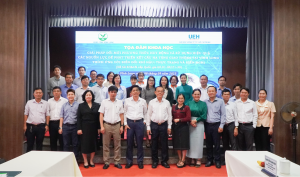
Photo 1 – UEH–Vinh Long Provincial People’s Committee discussion on mobilising resources for climate-resilient transport infrastructure, 08/09/2025. Source: UEH Mekong Portal, 11/09/2025.
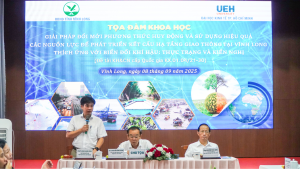
Photo 2 – Material from the same workshop on infrastructure investment mechanisms under project KX.01.04/21-30. Source: UEH Mekong Portal, 11/09/2025.
|
Policy challenge: insufficient funding and resource mobilisation mechanisms for climate-resilient transport infrastructure in the Mekong Delta. SDG 9: sustainable infrastructure; SDG 11: urban–regional connectivity; SDG 13: climate resilience.
|
UEH co-organised the discussion on 08/09/2025. Under project KX.01.04/21-30, led by Assoc. Prof. Dr Bui Quang Hung, the team studied frameworks for raising, allocating and using capital, considering Vinh Long’s experience and regional transport connectivity needs.
|
Process: Policy consultation / research in progress – gathering local feedback and additional data for a state-level project, with discussions on public budgets, private capital, public–private partnerships and climate-resilient infrastructure investment.
|
Public outputs in 2025: the 08/09 discussion, recommendations on funding mechanisms and feedback for project KX.01.04/21-30; UEH’s article of 11/09 explicitly recorded consultation input to supplement the project’s data.
|
Policy partners: Can Tho Department of Science and Technology, VCCI Mekong Delta and local government agencies; two state-level science and technology projects led by UEH.
08. Consultation on two policy research projects concerning innovation and climate-resilient transport in Can Tho
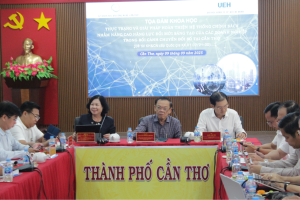
Photo 1 – UEH–Can Tho Department of Science and Technology consultation on two state-level research projects, 09/09/2025. Source: UEH Mekong Portal, 12/09/2025.
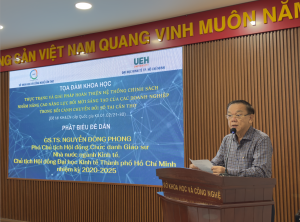
Photo 2 – Material from the same discussion on innovation policy and financing climate-resilient transport. Source: UEH Mekong Portal, 12/09/2025.
|
Policy challenge: (1) enterprise innovation capacity and (2) financing mechanisms for climate-resilient transport infrastructure in the Mekong Delta. SDGs 8 and 9: productivity and innovation; SDGs 11 and 13: infrastructure and adaptation.
|
On 09/09/2025, UEH and the Can Tho Department of Science and Technology held consultations on projects KX.01.02/21-30 and KX.01.04/21-30. UEH presented research questions and engaged authorities and businesses in discussions to refine solution frameworks.
|
Process: Policy consultation – integrating survey data with local feedback to update innovation measures and capital mobilisation approaches. The direct partner was a city-level agency; the projects’ state-level designation is not equivalent to written confirmation that a national authority received the proposals.
|
2025 outputs: the 09/09/2025 consultation clearly linked to two research projects and policy issues, as documented in UEH Mekong’s article dated 12/09/2025.
|
Policy partners: representatives of the Ministry of Science and Technology attending the event, Mekong Delta authorities and UEH Mekong.
09. UEH proposed solutions for implementing Resolution 57-NQ/TW in the Mekong Delta
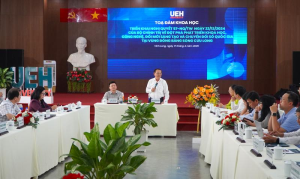
Photo 1 – UEH Mekong discussion on implementing Resolution 57-NQ/TW in the Mekong Delta, 17/04/2025. Source: UEH Portal, April 2025.
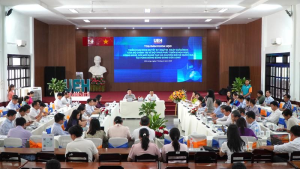
Photo 2 – Material from the same discussion, including sessions assessing local innovation capacity. Source: UEH Portal, April 2025.
|
Policy challenge: innovation bottlenecks, weak research–business linkages and limited capacity to implement Resolution 57-NQ/TW in the Mekong Delta. SDG 8: growth; SDG 9: innovation systems; SDG 17: research–government collaboration.
|
UEH organised the discussion in April 2025 and presented analyses of local innovation capacity. The research team used data from multiple provinces and cities to identify weak pillars affecting development and recommend stronger regional linkages, institutional quality, human capital and business support.
|
Process: Policy consultation / identifying challenges – a forum for analysis and proposals to implement Resolution 57.
|
2025 outputs: presentations, analysis of innovation pillars and policy implications presented at the discussion and published on the UEH Portal. They constituted input to regional policy discussions, not an adopted policy instrument.
|
Policy partners: UEH’s RDGE research unit; experts and representatives of central and local authorities.
10. Research and consultation forum on local science, innovation and digital transformation policy implementation
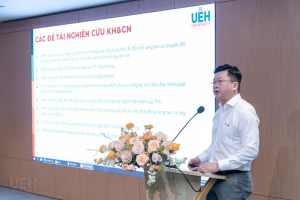
Photo 1 – National scientific discussion on science, technology, innovation and digital transformation policy at UEH, 04/04/2025. Source: RDGE UEH (published 04/05/2025).
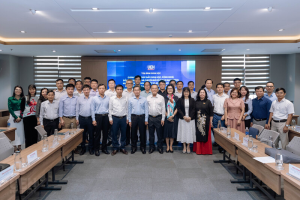
Photo 2 – Material from research presentations and policy implications for local implementation of Resolution 57. Source: RDGE UEH, 04/05/2025.
|
Policy challenge: difficulties in implementing Resolution 57 on science, technology, innovation and digital transformation locally. SDG 8: digital economy; SDG 9: innovation; SDG 16: institutional effectiveness.
|
UEH held the national scientific discussion on 04/04/2025. UEH research units analysed innovation pillars, digital governance capacity, the digital economy and smart cities, and exchanged implementation models suited to different regions.
|
Process: Policy consultation – identifying challenges and discussing policy implications for implementing Resolution 57 in the Southeast, Central Highlands and South Central Coast. Calling an event a “national conference” does not in itself establish a national government partner within THE’s definition.
|
2025 outputs: the discussion and research presentations published on the RDGE UEH website. Available sources do not include a separate policy brief or a ministry’s written acknowledgement of recommendations; only consultation and evidence sharing can be claimed.
|
Policy partner: Institute for Policy Studies and Media Development (IPS) – a policy research organisation with regional NGO status. Representatives of central government agencies attended.
11. UEH–IPS workshop on research, critical review and consultation concerning digital technology policy
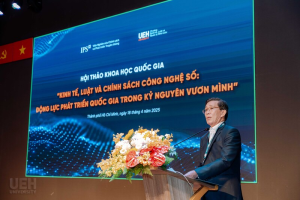
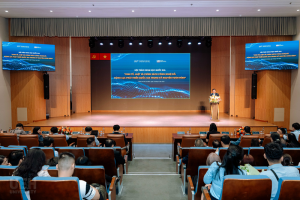
Photo – Overview of the “Economics, Law and Digital Technology Policy” conference. Photo source: UEH Portal, 19/04/2025.
|
Policy challenge: legal gaps in personal data governance, artificial intelligence, digital assets and regulatory technology sandboxes. SDG 9: responsible innovation; SDG 16: governance and rights protection; SDG 17: connecting experts.
|
On 18/04/2025, UEH-CELG and IPS co-organised a national scientific policy conference. UEH representatives delivered opening remarks, moderated and chaired specialist sessions on digital technology law, considered practical analyses and discussed areas requiring improvements to laws and regulations.
|
Process: Policy consultation – identifying legal gaps and discussing institutional reform options; the attendance of representatives from central agencies does not establish that those agencies commissioned or directly received UEH’s recommendations.
|
2025 outputs: presentation topics, discussion sessions and reform implications for digital data, AI and digital assets published by the UEH Portal on 19/04/2025. No UEH-signed legislative proposal or evidence of official adoption of specific recommendations has been provided.
|
Policy partners: Ministry of Science and Technology (national government agency); Academy of Science and Technology Strategy.
12. Consultation on the draft amended Law on Technology Transfer and science and technology impact measurement indicators
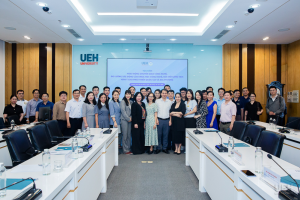
Photo 1 – UEH–Ministry of Science and Technology discussion on technology transfer and science and technology impact assessment, 02/10/2025. Reference source: UEH Portal, 07/10/2025.
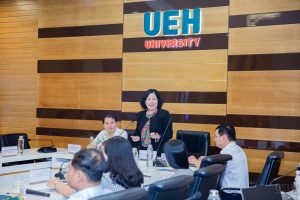
Photo 2 – Assoc. Prof. Dr Phan Thi Bich Nguyet discussing impact measurement and technology law. Photo source: UEH Portal, 07/10/2025.
|
Policy challenge: amending the Law on Technology Transfer and measuring the substantive impacts of science, technology and innovation. SDG 9: strengthening the institutional framework for technology transfer; SDG 17: connecting research with policymakers.
|
UEH directly collaborated with the Ministry of Science and Technology to organise the discussion on 02/10/2025. Assoc. Prof. Dr Phan Thi Bich Nguyet presented perspectives on quantifying science and technology impacts and improving the legal framework. UEH helped identify gaps, exchange monitoring tools and consult on the draft law; it did not claim authorship of every recommendation made at the event.
|
Policy process: Policy consultation – consultation on legislation under amendment and evaluation indicators; the direct partner was the Ministry of Science and Technology, satisfying the national-partner category. Participants discussed six policy groups in the draft, a national measurement framework and local indicator sets. No written confirmation was available that the Ministry had accepted specific UEH recommendations.
|
Verified outputs in 2025: UEH’s article dated 07/10/2025 documented its co-organisation with the Ministry of Science and Technology, UEH expert contributions and discussion of the draft law and six new policy groups. This demonstrates policy consultation, not that a legal amendment based on UEH’s proposal was adopted. Source: https://ueh.edu.vn/khoa-hoc/toa-dam-khoa-hoc-hoat-dong-chuyen-giao-cong-nghe-do-luong-tac-dong-cua-khoa-hoc-cong-nghe-doi-moi-sang-tao-ham-y-cho-phat-trien-quoc-gia-va-dia-phuong-74936
|
Policy partners: Central Policy and Strategy Commission and Institute for Policy and Strategy Research (central-level research/policymaking bodies; not automatically equivalent to a ministry of the Government).
13. Meeting to identify potential policy advisory cooperation with the Central Policy and Strategy Commission (no completed output yet)
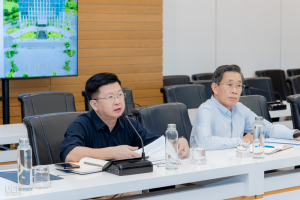
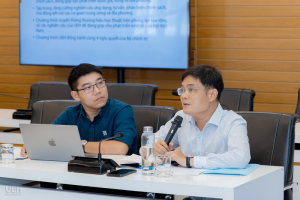
Photo – UEH meeting with the Central Policy and Strategy Commission, August 2025. Reference source: UEH Portal, 19/08/2025.
|
Policy challenge: new economic growth strategies, the green economy, digital transformation, planning and emission reduction mechanisms. SDG 8: growth; SDG 9: innovation; SDG 13: emission reduction pathways.
|
UEH and the two partners discussed potential joint research on strategies, planning, growth scenario analysis, and monitoring and evaluation mechanisms. The 2025 source recorded planned work; it did not confirm completion of a forecasting model or policy report under the proposed cooperation.
|
Policy process: Proposed collaboration – identifying research directions and topics during the August 2025 meeting. Although the partners operated at central level, a formal assignment document would be needed to demonstrate direct participation in a specific national policy process.
|
Verified outputs in 2025: published meeting information or minutes and a list of proposed cooperation directions. The cited source did not publish scenario modelling reports or documents acknowledging receipt of recommendations. Proposed cooperation was not described as an enacted policy.
|
Policy partner: Ho Chi Minh City Institute for Development Studies (HIDS) – a local advisory body, not a national government partner.
14. Agreement on a research plan for Ho Chi Minh City’s development indicators and strategic documents with HIDS
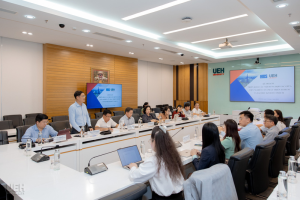
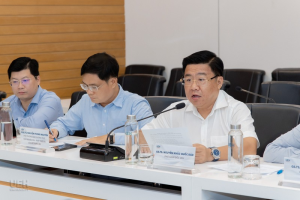
Photo – Meeting between UEH and the Ho Chi Minh City Institute for Development Studies (HIDS), 31/07/2025. Reference source: UEH Portal, 03/08/2025.
|
Policy challenge: restructuring state-owned enterprises, assessing socio-economic conditions after boundary changes, and developing Ho Chi Minh City’s development indicators and strategic documents. SDG 8: economic efficiency; SDG 9: growth model transition; SDG 11: urban development.
|
On 31/07/2025, UEH and HIDS discussed five groups of activities. UEH planned to appoint experts to assess state-owned enterprise restructuring options, analyse the economy of Ho Chi Minh City and surrounding areas during 2020–2025, and jointly develop indicators for the City’s development documents.
|
Policy process: Proposed collaboration – agreement on a 2025–2026 research and advisory plan. There was no evidence that reports or indicators were completed and accepted by an authorised agency in 2025. The city-level partner provides supporting, rather than direct, evidence for the national government/regional NGO partner requirement.
|
2025 output: an official article on the meeting and the scope of five proposed activities. The original article did not verify a completed policy product; statements such as “UEH has developed the indicators” should not be made when the source uses prospective language such as “will appoint experts/work together.”
|
Policy partner: National Economics University (NEU) – a higher education institution rather than a government agency or NGO; activity conducted under a state-level science and technology project.
15. UEH–NEU research and consultation conference on digital economy policy and competitiveness
Source: UEH Portal, 03/12/2025, “UEH–NEU National Scientific Conference Series: Shaping Policies for the Digital Economy and Enhancing Innovation Capacity in a New Context.”
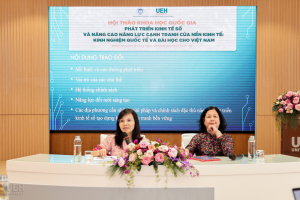
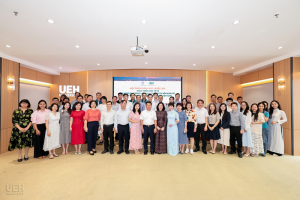
Photo – UEH–NEU conference on digital economy policy and competitiveness, 02/12/2025. Reference source: UEH Portal, 03/12/2025.
|
Policy challenge: the digital economy’s impact on national competitiveness and improving innovation policies for businesses. SDG 8: productivity and competitiveness; SDG 9: innovation capacity.
|
UEH and NEU co-organised a research forum on 02/12/2025 under projects KX.01.02/21-30 and KX.01.15/21-30. The UEH team exchanged research findings, international experience and policy gaps concerning the digital economy and enterprises.
|
Policy process: Policy consultation / research dissemination – the research formed part of a state-level priority science and technology programme, but the event’s direct partner was NEU. Commissioning documents and proof of report submission to a government agency would be required to demonstrate national policy input.
|
2025 outputs: a national conference featuring presentations, research challenges and directions documented in UEH’s article dated 03/12/2025. No documentation confirmed that a national agency accepted UEH’s recommendations or changed a policy.
|
Policy partners: NEU and the state-level research team – university partners.
16. UEH–NEU research discussion on business innovation support mechanisms
Source: UEH Portal, 10/12/2025, “UEH–NEU National Scientific Conference Series: Policy Mechanisms to Promote Innovation and Digital Transformation and Enhance the Competitiveness of Vietnamese Enterprises.”
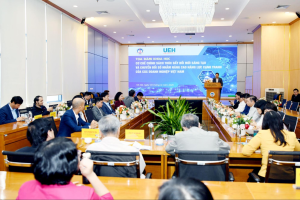
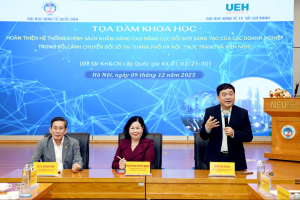
Photo – UEH–NEU policy discussion on business innovation support mechanisms, 09/12/2025. Reference source: UEH Portal, 10/12/2025.
|
Policy challenge: mechanisms to support enterprises’ investment in technology, digital transformation and competitiveness. SDG 8: employment and productivity; SDG 9: innovation and digital transformation.
|
On 09/12/2025, UEH and NEU jointly organised a policy research discussion. Assoc. Prof. Dr Phan Thi Bich Nguyet presented an analysis of the current situation, bottlenecks in business support policies and implications for improving financial, human resource and technology mechanisms.
|
Policy process: Policy consultation – consultation and discussion of research findings under state-level programme KX.01.02/21-30; no evidence shows that a ministry or national agency formally received UEH’s outputs directly at the event.
|
Verified 2025 outputs: presentations and research on the state of existing policies and reform implications, recorded by the UEH Portal on 10/12/2025. No legal evidence confirmed that policies had been amended in line with those proposals.
|
Policy partners: Ministry of Education and Training (national government), GIZ and a network of six universities; GIZ is a German development cooperation organisation, not an independent NGO.
17. National Planning Conference for the Digital Skills to Succeed (DS2S) project
Source: UEH Portal, 04/04/2025, “UEH Hosts the 2025 National Planning Conference for the Digital Skills to Succeed Project.”
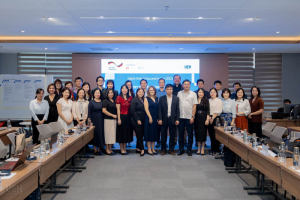
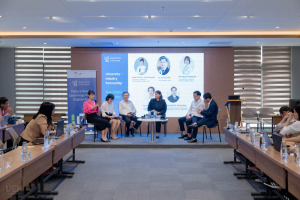
Photo – DS2S National Planning Conference at UEH, 26–27/03/2025. Reference source: UEH Portal, 04/04/2025.
|
Policy and implementation challenge: digital skills gaps, unequal access to technology and demand for short-term credentials. SDG 4: quality education; SDG 5: opportunities for women; SDG 8: employability skills.
|
UEH hosted the DS2S National Planning Conference on 26–27/03/2025, sharing models for innovation and experiential learning. Partner universities developed plans for digital skills, faculty training and micro-credentials; UEH contributed implementation experience without claiming to draft Ministry of Education and Training policies.
|
Policy process: Proposed collaboration / programme planning – planning implementation of the digital skills programme. A ministry-level partner participated, but the source did not verify any new educational policy decision issued on the basis of UEH proposals.
|
2025 outputs: the published programme of the national planning conference and priorities for digital skills training. The output was a project plan/implementation framework rather than an evaluation of policy outcomes or an amendment to education regulations.
|
Policy partner: Vinh Long Provincial People’s Committee – a provincial-level authority within the regional category.
18. Signing of the UEH–Vinh Long policy advisory cooperation programme for 2025–2030 (Proposed collaboration)
Source: UEH Portal, 25/02/2025, “Signing Ceremony for the 2025–2030 Cooperation Programme between Vinh Long Provincial People’s Committee and UEH.”
Article link
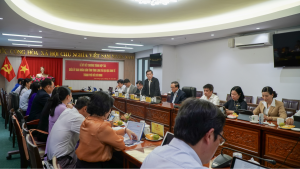
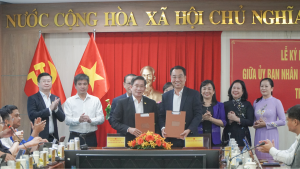
Photo – Signing ceremony for the 2025–2030 cooperation programme between UEH and Vinh Long Provincial People’s Committee, 25/02/2025. Reference source: UEH Portal, 25/02/2025.
|
Policy challenge: human resources, green growth, critical review of planning and socio-economic development in Vinh Long. SDG 4: education and training; SDG 8: the economy; SDG 9: infrastructure; SDG 11: regional planning.
|
On 25/02/2025, UEH signed a 2025–2030 Cooperation Programme with Vinh Long Provincial People’s Committee. The document outlined planned research, training, consultation, policy review and evaluation, including proposals on central-level mechanisms affecting the province.
|
Policy process: Proposed collaboration – signing a long-term cooperation programme, not evidence that an advisory report, model or policy draft was completed in 2025. Links to national policy remained within the agreement’s proposed scope.
|
2025 output: the Cooperation Programme/MOU signed on 25/02/2025 and published by the UEH Portal. The MOU was not presented as an adopted policy output; independently implemented studies may be evidenced once reports and acceptance minutes are available.
|
Policy partner: Can Tho City People’s Committee – local government, not a ministry or national government agency.
19. Signing of the UEH–Can Tho policy advisory cooperation agreement for 2025–2030 (Proposed collaboration)
Source: UEH Portal, 27/11/2025, “Signing Ceremony for the 2025–2030 Cooperation Agreement between UEH and Can Tho City People’s Committee.”
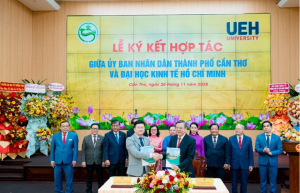
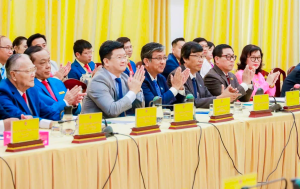
Photo – Signing ceremony for the 2025–2030 cooperation agreement between UEH and Can Tho City People’s Committee, 26/11/2025. Reference source: UEH Portal, 27/11/2025.
|
Policy challenge: Mekong Delta regional planning, smart cities, digital transformation and climate-resilient infrastructure. SDG 9: infrastructure and innovation; SDG 11: sustainable cities; SDG 13: climate adaptation.
|
On 26/11/2025, UEH signed a cooperation agreement for 2025–2030 with Can Tho City, proposing to mobilise experts for research, planning reviews and policy advice on urban and regional development.
|
Policy process: Proposed collaboration – a framework agreement, with no evidence that advisory outputs under that agreement were completed in 2025. It does not substitute for earlier state-level KX research activities in Can Tho.
|
2025 outputs: signing records/announcement dated 26/11/2025 and proposed areas of cooperation. The cited source did not document any accepted policy research report arising from this agreement.
|
Policy partner: Khanh Hoa Provincial People’s Committee – provincial authority commissioning the proposed work; a national research centre model was envisaged.
20. Proposal for the National Ocean Technology Research Centre in Khanh Hoa
Source: UEH Future, Research Contribution article, “Establishing a National Ocean Technology Research Centre: Creating a Marine Technology Ecosystem for a Sustainable Future” (2025).
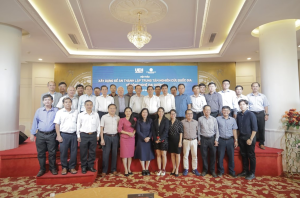
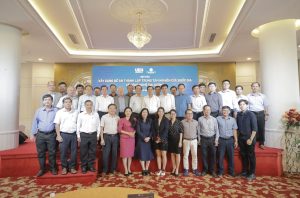
Photo – Field visit and meeting with Khanh Hoa Provincial People’s Committee to support the proposed project. Photo source: UEH Future, 16/07/2025.
|
Policy challenge: developing ocean technology, marine scientific infrastructure and sustainable use of marine resources. SDG 9: research and technological innovation capacity; SDG 14: marine ecosystem conservation; SDG 17: research coordination with authorities.
|
Through its Institute of Smart City and Management, UEH studied a proposal for a National Ocean Technology Research Centre to support development of a marine technology ecosystem. UEH outlined an institutional model, technological directions and research cooperation mechanisms; there was no evidence that the proposal had been approved.
|
Policy process: Proposed policy framework / research in progress – studying an institutional framework for marine science in response to local needs. The word “national” in the proposed centre’s name does not by itself prove that a national government partner collaborated or issued a decision.
|
Publicly documented outputs in 2025: a description of the proposed project and its directions, including seven priority technology groups. No evidence was available of a draft proposal received by a national agency, acceptance minutes or a decision establishing the centre.
|
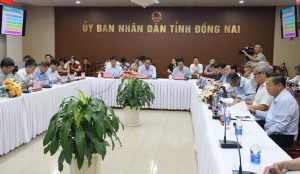
21. Dong Nai economic infrastructure research – recognised by the Provincial People’s Committee and transferred to eight agencies (01–02/2025).
Policy partners: Dong Nai Provincial People’s Committee, Department of Science and Technology and six specialised departments.
Source – Provincial People’s Committee, Decision No. 409/QĐ-UBND dated 12/02/2025:
Source – IBR–UEH, handover on 20/02/2025:
|
SDG POLICY CHALLENGE: Dong Nai needed to assess bottlenecks and choose coordinated solutions for five infrastructure groups: transport, information and communications technology, energy, water supply/drainage and irrigation, and waste treatment. SDG 6: water; SDG 7: energy; SDG 9: infrastructure; SDG 11: sustainable cities; SDG 12: waste management.
|
UEH DIRECT CONTRIBUTION: UEH’s Institute of Business Research (IBR–UEH) led the provincial project “Developing Economic Infrastructure to Meet New Requirements in Dong Nai Province”, with Prof. Dr Vo Xuan Vinh as principal investigator. The team analysed existing conditions, identified challenges and proposed solutions aligned with Provincial Plan No. 186-KH/TU.
|
POLICY DEVELOPMENT PROCESS: Accepted by the Department of Science and Technology on 14/01/2025 → results recognised by the Chairperson of the Provincial People’s Committee through Decision No. 409/QĐ-UBND dated 12/02/2025 → the Department of Science and Technology transferred the full research outputs to eight recipient agencies, according to IBR’s announcement on 20/02/2025, and requested that the project leader continue supporting their application. This constitutes DOCUMENTED POLICY INPUT & TRANSFER TO GOVERNMENT, stronger evidence than an MOU or a research proposal.
|
DOCUMENTED OUTPUTS 2025: the provincial decision recognising the results and public records of the handover; recipients included the Provincial Party Committee, Provincial People’s Committee and six departments. Transfer of research outputs for reference and implementation was confirmed.
|
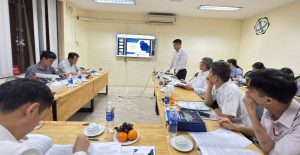
22. Evaluation criteria for public science and technology organisations in Ho Chi Minh City – accepted on 02/04/2025.
Policy partner: Ho Chi Minh City Department of Science and Technology (acceptance body and local government focal point).
Source – Ho Chi Minh City Department of Science and Technology, 04/04/2025:
Source – IRDRC–UEH, acceptance activity:
|
SDG POLICY CHALLENGE: Ho Chi Minh City needed a basis for measuring the capacity of public science and technology organisations, allocating resources, identifying institutions with the potential to become internationally recognised Centres of Excellence (CoEs), and evaluating the effectiveness of science and technology support policies. SDG 9: innovation; SDG 16: evidence-based monitoring and governance.
|
UEH DIRECT CONTRIBUTION: IRDRC–UEH led the project, with Mr Pham Tien Dung, MSc, as principal investigator. The study combined literature review, expert interviews, the Delphi method and the Analytic Hierarchy Process (AHP); it developed four sets of indicators for priority fields and surveyed and evaluated 43 of the City’s 72 public science and technology organisations. The team identified capacity gaps, shortlisted promising institutions and recommended adjustments to support measures.
|
POLICY DEVELOPMENT PROCESS: The Ho Chi Minh City Department of Science and Technology convened an advisory acceptance committee on 02/04/2025, which found the outputs satisfactory. The framework related to Resolution No. 19/2023/NQ-HĐND and Decision No. 5721/QĐ-UBND, providing a tool for selecting, classifying, monitoring and evaluating mechanisms to develop internationally recognised research centres.
|
DOCUMENTED OUTPUTS 2025: four sets of criteria, survey data for 43/72 institutions, analytical findings and a list of promising institutions; the Department of Science and Technology publicly described these as a basis for choosing support measures, assessing institutions and reviewing policy effectiveness. The Ho Chi Minh City Department of Science and Technology recognised the project results with a Satisfactory rating under Decision No. 308/QĐ-SKHCN dated 03/06/2025.
|
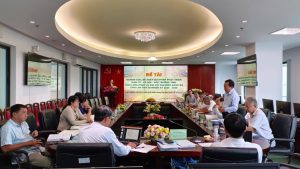
23. Research on Vinh Long’s socio-economic and environmental development directions for 2025–2030 – accepted on 23/05/2025.
Policy partners: Vinh Long Provincial Science and Technology Council and Department of Science and Technology.
Source – Vinh Long Department of Science and Technology, 26/05/2025:
|
SDG POLICY CHALLENGE: Vinh Long needed to review economic, social and environmental indicators for 2020–2025, benchmark its regional development position and determine actions and solutions for 2025–2030 to inform documents for the Provincial Party Congress. SDG 8: growth; SDG 10: reducing disparities; SDG 13: climate action; SDG 16: data-driven policymaking.
|
UEH DIRECT CONTRIBUTION: IRDRC–UEH led “Research and Proposed Solutions for Socio-Economic and Environmental Development in Vinh Long Province to Support the 12th Provincial Party Congress for 2025–2030”, with Prof. Dr Ho Duc Hung as principal investigator. Conducted from July 2024 to May 2025, the research assessed progress against the previous term’s targets, compared 2020–2024 indicators with those of 12 Mekong Delta provinces and cities, and proposed tasks and solutions for the new period.
|
POLICY DEVELOPMENT PROCESS: On 23/05/2025, the Provincial Science and Technology Council met to review the project, with Department of Science and Technology representatives participating. The Council noted that the project had been completed one month early, agreed to accept it with a Satisfactory rating and requested further review and standardisation of indicators, clarification of data and improvements to regional comparisons. The work represented research, monitoring & policy recommendations reviewed by local authorities.
|
DOCUMENTED OUTPUTS 2025: the assessment report on socio-economic and environmental development indicators and proposed solutions for Vinh Long for 2025–2030, accepted with a Satisfactory rating; the public source specified follow-up revisions after acceptance. On 06/11/2025, the Chairperson of Vinh Long Provincial People’s Committee issued Decision No. 2495/QĐ-UBND recognising the results and assigning the Department of Finance primary responsibility for application. The decision tasked the Department of Science and Technology with publicising the information and IRDRC with transferring and supporting use of the results. This marked the formal allocation of responsibilities after acceptance.
|
24. Ben Tre — Socio-economic development research recognised and assigned for application (05/11/2025). Partners: Vinh Long Provincial People’s Committee and Department of Finance.
|
Assessing current conditions, potential and options for socio-economic development in the Ben Tre area. Related to SDGs 8, 16 and 17.
|
IRDRC–UEH led the provincial project “Assessing Current Conditions and Potential and Proposing Solutions for Socio-Economic Development in Ben Tre Province”.
|
The Chairperson of Vinh Long Provincial People’s Committee issued Decision No. 2439/QĐ-UBND on 05/11/2025, recognising the results and assigning primary implementation responsibility to the Department of Finance. IRDRC was tasked with transferring the outputs and providing guidance on their application.
|
The project was rated Satisfactory. The decision documented recognition and allocation of responsibility. Implementation progress still requires confirmation by the receiving agency.
|
25. Ba Ria–Vung Tau — Assessment of science and technology indicators affecting total factor productivity (TFP).
Supporting document: Decision No. 1485/QĐ-SKHCN of the Ho Chi Minh City Department of Science and Technology.
|
Identifying science and technology factors affecting productivity and proposing solutions. Related to SDGs 8 and 9.
|
IRDRC–UEH led a project assessing science and technology indicators affecting the TFP index in Ba Ria–Vung Tau Province and proposing solutions.
|
The Science and Technology Council conducted the acceptance review on 02/10/2025. The Ho Chi Minh City Department of Science and Technology recognised the project’s results on 31/12/2025.
|
Decision No. 1485/QĐ-SKHCN confirmed a Satisfactory rating. The confirmation covers research results only. Specific recommendations and their use must be checked against the project report or documents from the receiving agency.
|

